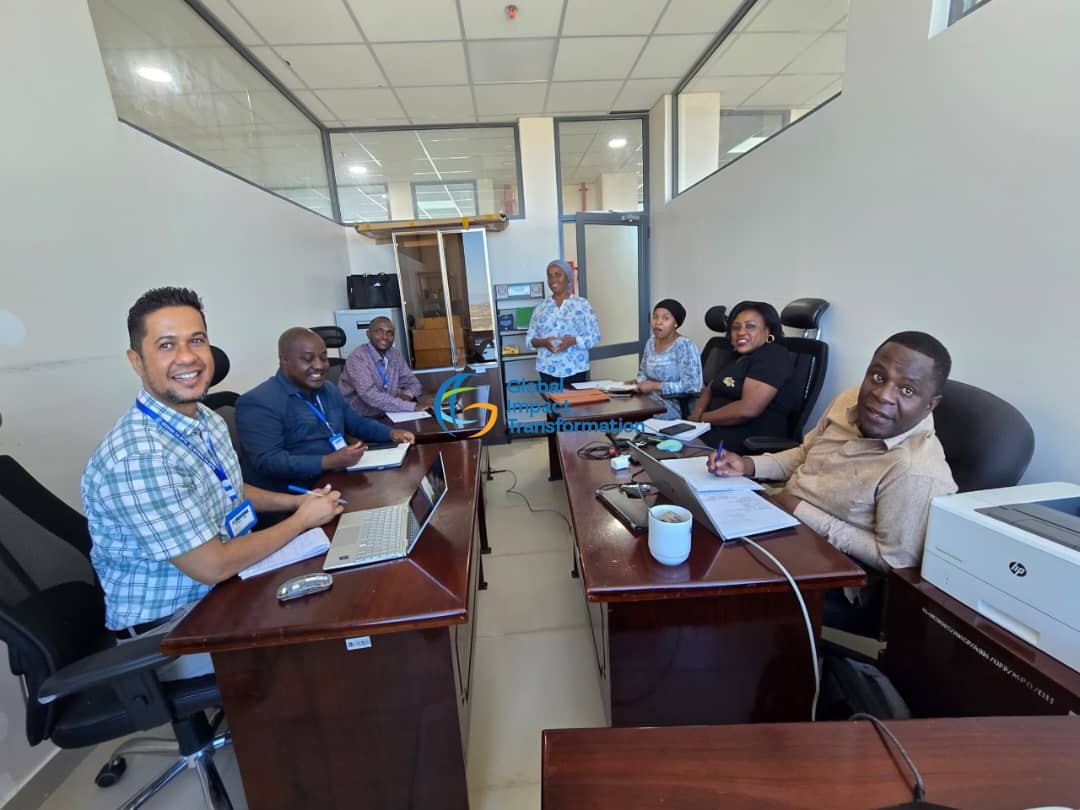
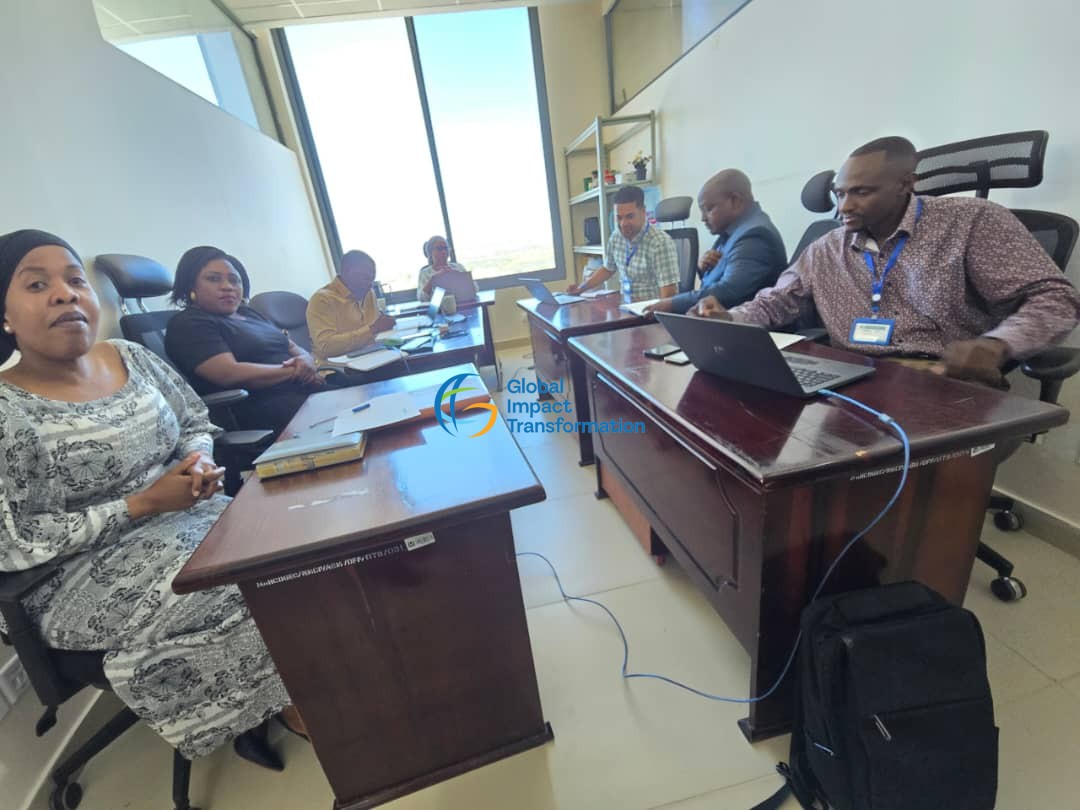
Global Impact Transformation Tanzania, in partnership with the Tanzania Communication and Development Centre and with financial support from Korea Food for the Hungry International (KFHI), has taken another strategic step in advancing national malaria prevention efforts. As part of its ongoing advocacy initiative to strengthen domestic resource mobilization and multi-sector collaboration, the organization conducted a high-level engagement with the National Malaria Control Program in Dodoma. The meeting aimed to reinforce national coordination mechanisms and accelerate joint actions to reduce malaria prevalence in high-risk communities across Tanzania.
Strengthening National Malaria Coordination to Protect Vulnerable Communities
By Communication team
Malaria continues to be one of the country’s most persistent public health challenges, disproportionately affecting communities in high-risk regions. The Government of Tanzania has made notable progress in recent years, yet gaps remain in financing, coordination, and equitable access to prevention commodities barriers that undermine national efforts to protect vulnerable households.The advocacy initiative led by Global Impact Transformation Tanzania and its partners is designed to strengthen the role of national institutions, deepen engagement with the End Malaria Council, and promote sustainable resource mobilization to ensure that essential malaria prevention interventions reach communities most at risk.
During the meeting in Dodoma, the National Malaria Control Program expressed strong commitment to collaborating closely with the project, acknowledging the urgency of revitalizing national efforts and broadening stakeholder participation.
The engagement with the National Malaria Control Program also reinforces an essential principle of effective malaria response, national systems must be robust for community-level interventions to succeed. By aligning with NMCP’s technical guidance and national malaria strategic priorities, the project ensures that commodities reach households where the burden is highest and where prevention efforts have the greatest potential to save lives. Strengthening domestic resource mobilization will not only reduce dependency on external funding but also enhance Tanzania’s ability to plan, deliver, and monitor malaria services sustainably. This systems-focused approach is crucial for ensuring that vulnerable populations including women, children, and rural households benefit from consistent, reliable malaria prevention tools.
Key Outcomes of the Engagement
The meeting resulted in meaningful progress that will shape the next phase of implementation:
The National Malaria Control Program agreed to facilitate an introductory meeting between the advocacy team and the End Malaria Council, whose leadership plays a central role in shaping the national malaria financing agenda. This engagement will help accelerate the establishment of a coordinated resource mobilization mechanism.The National Malaria Control Program will collaborate with the advocacy team to identify priority districts and suitable timelines for distributing Long-Lasting Insecticide Treated Nets and insecticide spraying pumps. This guidance ensures that distribution efforts align with national malaria hot-spot mapping and technical recommendations.
The meeting also strengthened channels of communication between Global Impact Transformation Tanzania, the Tanzania Communication and Development Center, and the National Malaria Control Program, creating a foundation for effective joint planning and improved coordination throughout the project period.
Looking Ahead
The collaboration with the National Malaria Control Program sets a strong foundation for advancing the project’s overarching goal: strengthening domestic financing for malaria prevention and expanding community access to essential malaria control commodities.
In the coming weeks, Global Impact Transformation Tanzania and the Tanzania Communication and Development Center will continue working closely with national institutions to:
• Convene high-level engagements with the End Malaria Council
• Operationalize a coordinated resource mobilization platform
• Initiate targeted distribution of malaria prevention tools in high-risk areas
• Document progress and lessons learned to inform future national planning
This collaboration represents a shared commitment to protecting communities, strengthening national systems, and contributing to Tanzania’s long-term vision of eliminating malaria and safeguarding public health.
Together, we can empower communities and transform lives by advancing equitable malaria prevention across Tanzania. To join this advocacy effort, please connect with us at info@globalimpacttransformation.org
.