.jpeg)
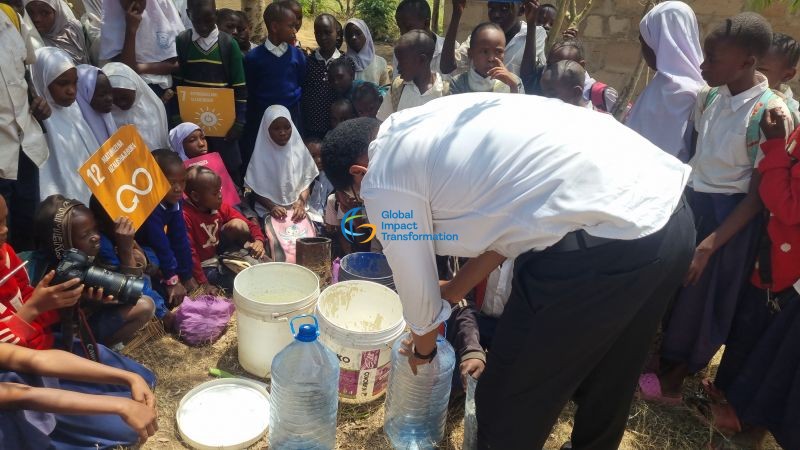
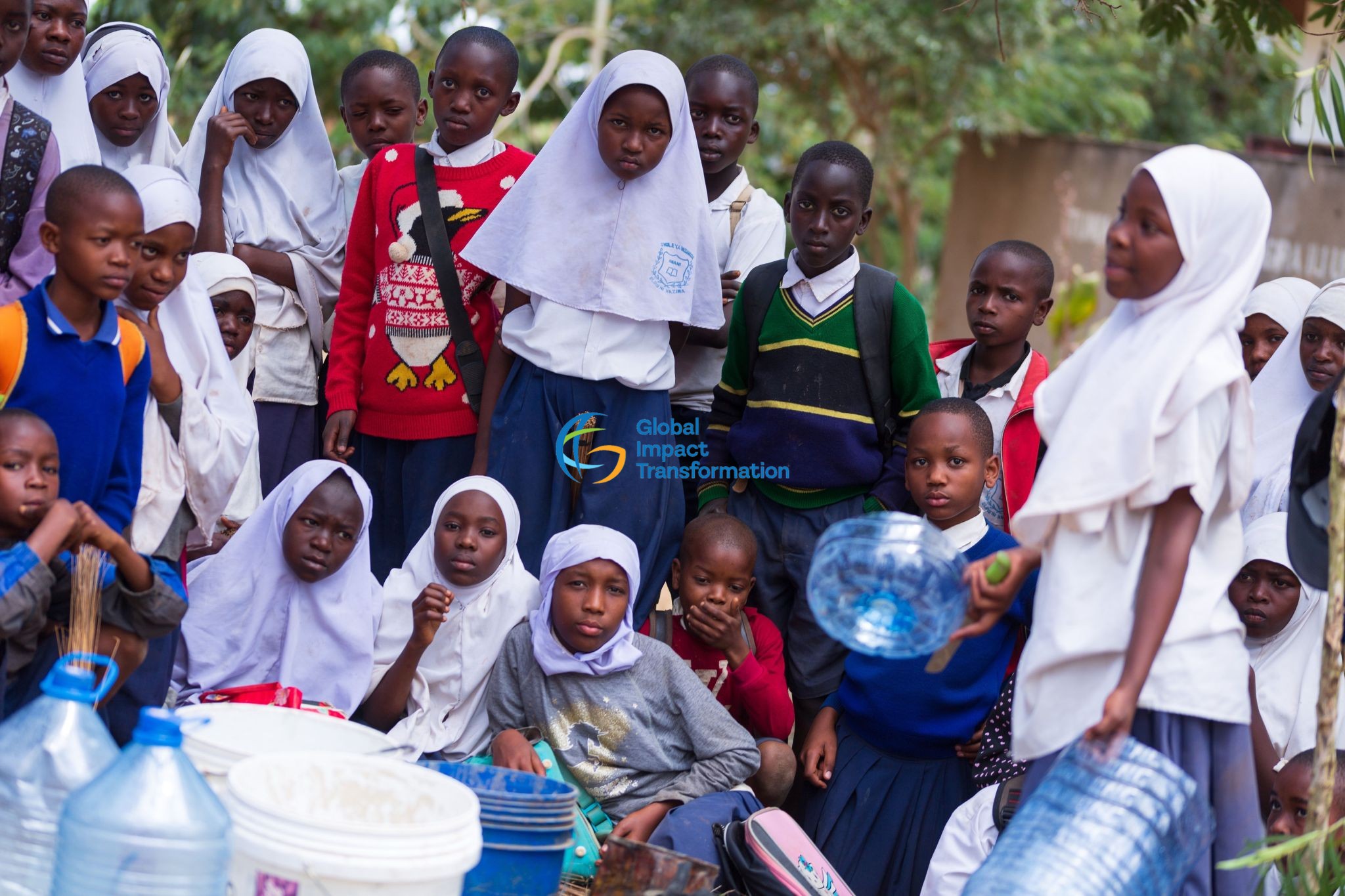
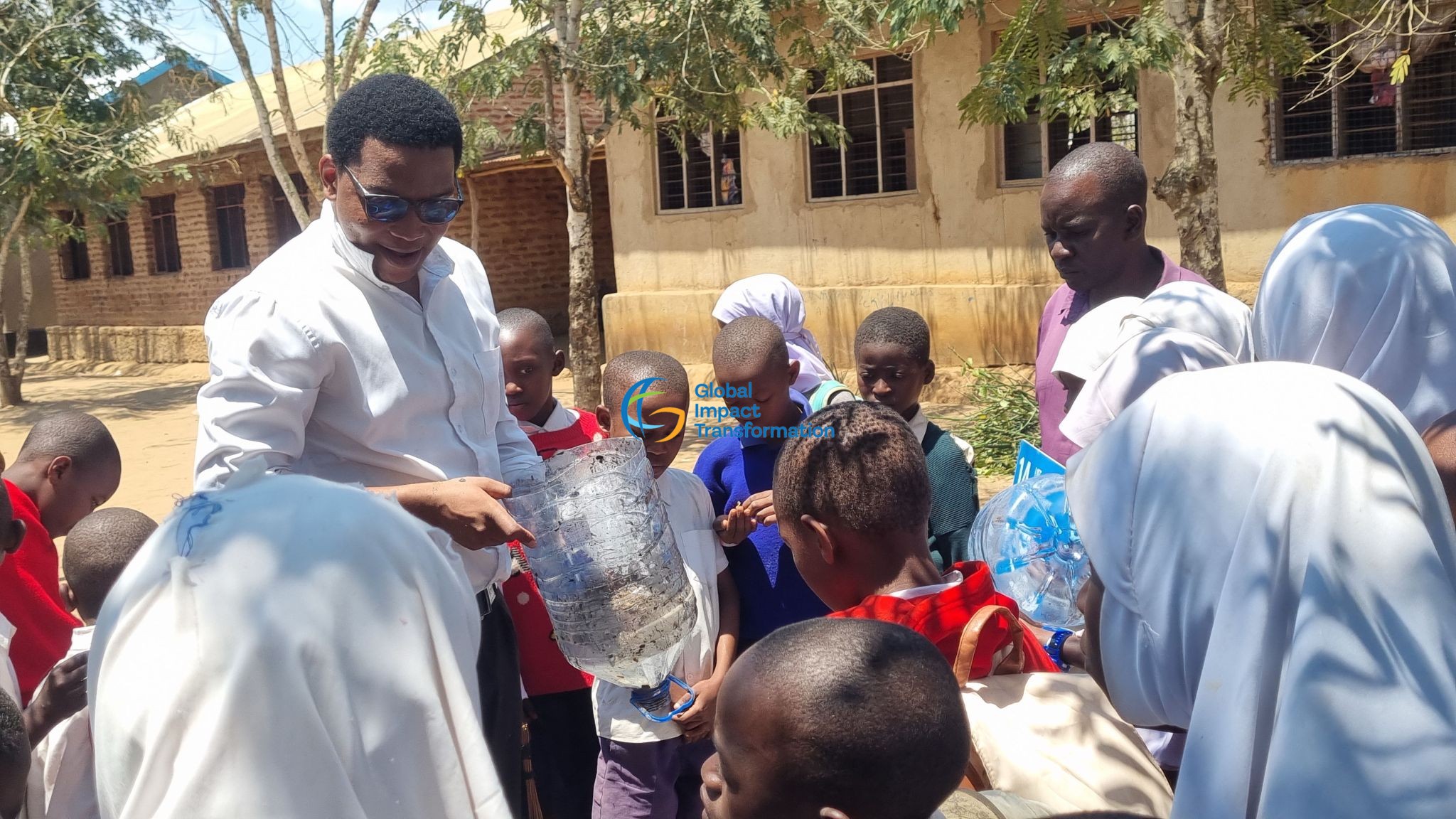
At a time when climate change is intensifying water scarcity and millions of families face daily threats from unsafe water, Global Impact Transformation (GIT) is equipping young people to design and deliver home grown, climate smart solutions. Through our E-STEM Clubs (Environment + Science, Technology, Engineering, Mathematics), students are gaining hands on training in innovative water filtration techniques for domestic use. This practical approach connects science learning in the classroom with urgent community needs, empowering youth to become active problem solvers and advocates for sustainable development.
From School Labs to Community Impact: Building Climate Smart Generations
By GIT Communications team
Access to safe and reliable water remains one of the most urgent global challenges. According to UNICEF and WHO, more than 2 billion people worldwide still lack access to safely managed drinking water. In Tanzania, progress has been made, yet only about 64% of households have access to at least basic drinking water services, leaving nearly 4 in 10 people still dependent on unsafe or unreliable sources. Rural communities are particularly underserved, with just 15% of households accessing basic services and another 14% relying on limited sources (UNICEF, 2024). For many families, this reality translates into serious health risks, lost school hours, and greater vulnerability as climate change intensifies droughts and water scarcity. Against this backdrop, Global Impact Transformation (GIT) is investing in the potential of young people to be part of the solution.
Through our E-STEM Clubs (Environment + Science, Technology, Engineering, Mathematics), students are gaining hands-on training in innovative water filtration techniques for domestic use. This practical approach connects science learning in the classroom with urgent community needs, empowering youth to become active problem solvers and advocates for sustainable development.
From Classrooms to Communities
The training introduced simple, affordable, and locally adaptable filtration methods that young learners can replicate and scale in their homes and neighborhoods. By bridging science education with real life challenges, E-STEM Clubs are helping to:
- Promote access to safe water and reduce health risks in households.
- Strengthen resilience to climate related water scarcity.
- Spark innovation by showing that low cost, youth driven solutions can have big impact.
“These young change makers are not waiting for solutions to arrive, they are designing them. By turning science into action, they are proving that innovation begins at home, and that youth are indispensable partners in advancing climate justice and sustainable development.” Martha Nghambi, Founder & Executive Director, GIT
The Missing Peace Progress Study on Youth, Peace and Security highlighted resilience as one of youth’s greatest assets. GIT is putting this into practice by creating safe, inclusive, and enabling spaces where young people apply their creativity and leadership to address pressing environmental challenges.
The Missing Peace Progress Study on Youth, Peace and Security highlighted resilience as one of youth’s greatest assets. GIT is putting this into practice by creating safe, inclusive, and enabling spaces where young people apply their creativity and leadership to address pressing environmental challenges. Our E-STEM Clubs demonstrate how youth participation in science and innovation contributes directly to the Sustainable Development Goals (SDG 6: Clean Water and Sanitation, SDG 13: Climate Action, and SDG 4: Quality Education), while supporting Tanzania’s national Water Sector Development Programme and efforts to build resilience to climate shocks.
Looking Ahead
As GIT continues to expand E-STEM Clubs in schools across Tanzania, we envision a generation of young innovators driving climate solutions from safe water access to renewable energy and waste reduction. By linking education, environment, and empowerment, these initiatives are not only building technical skills but also nurturing youth agency, resilience, and Intergenerational solidarity.
Together, we are working toward a future where no one is left behind and where every drop of clean water represents hope, dignity, and climate justice.
For partnerships, reach us at: info@globalimpacttransformation.org