Through the Women’s Empowerment for Livelihoods and Leadership (W.E.L.L.) Initiative, Global Impact Transformation (GIT) continues to equip women and girls with the skills to lead climate-smart solutions and sustainable livelihoods across Tanzania. The initiative responds to the dual challenges of environmental degradation and economic exclusion by positioning women and girls as agents of change in their communities.
Advancing Climate Justice Through Women’s Leadership
By Our reporter
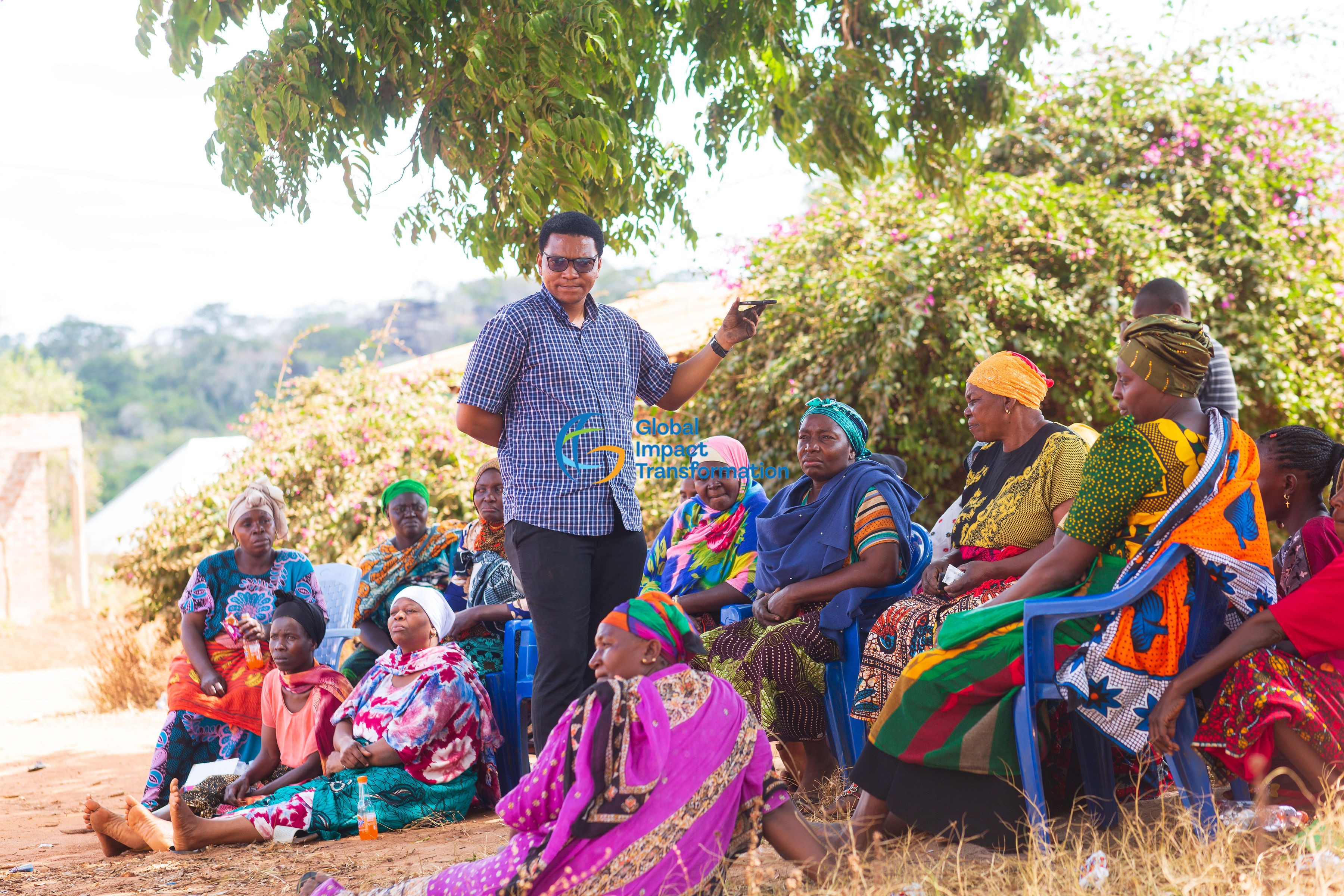
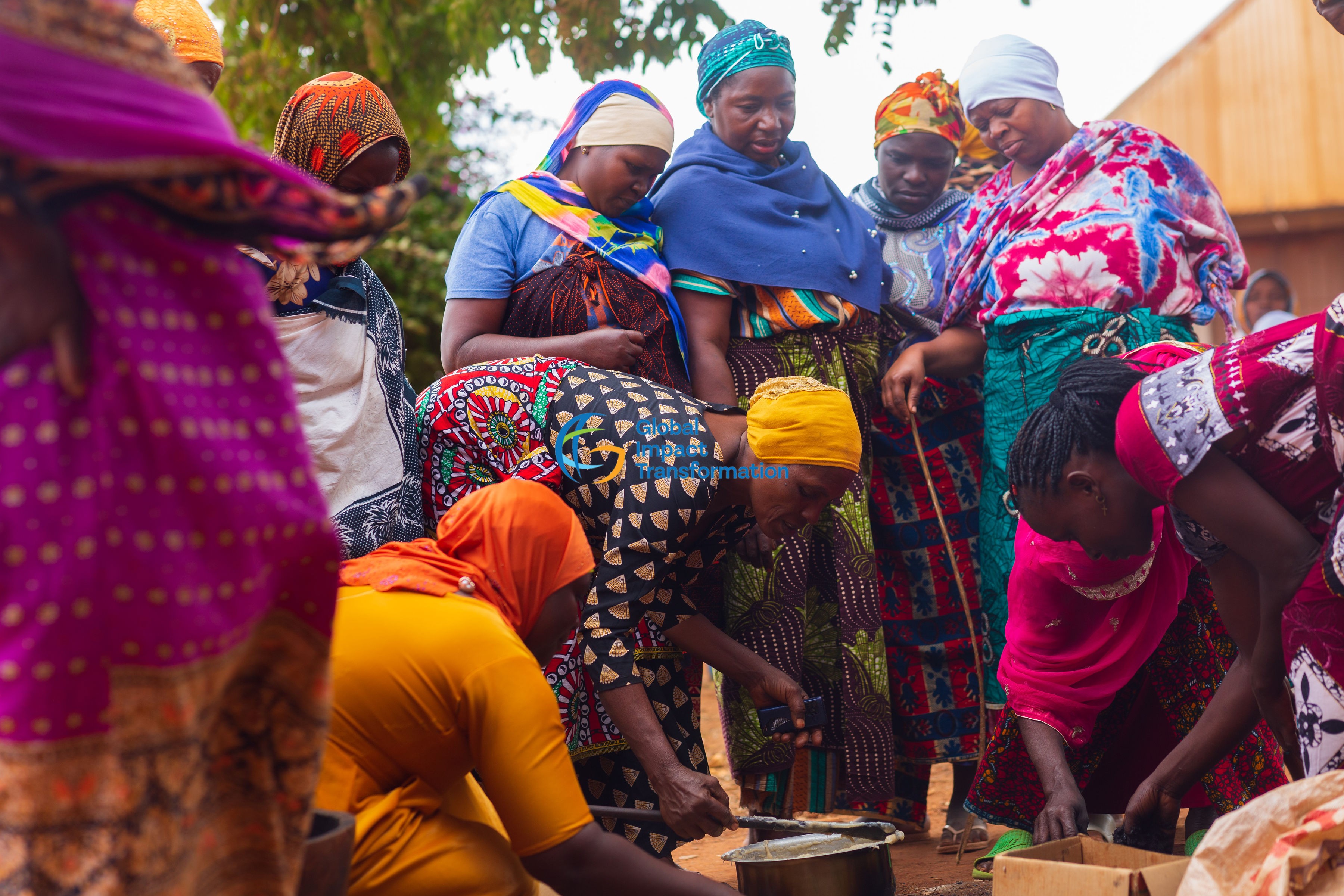
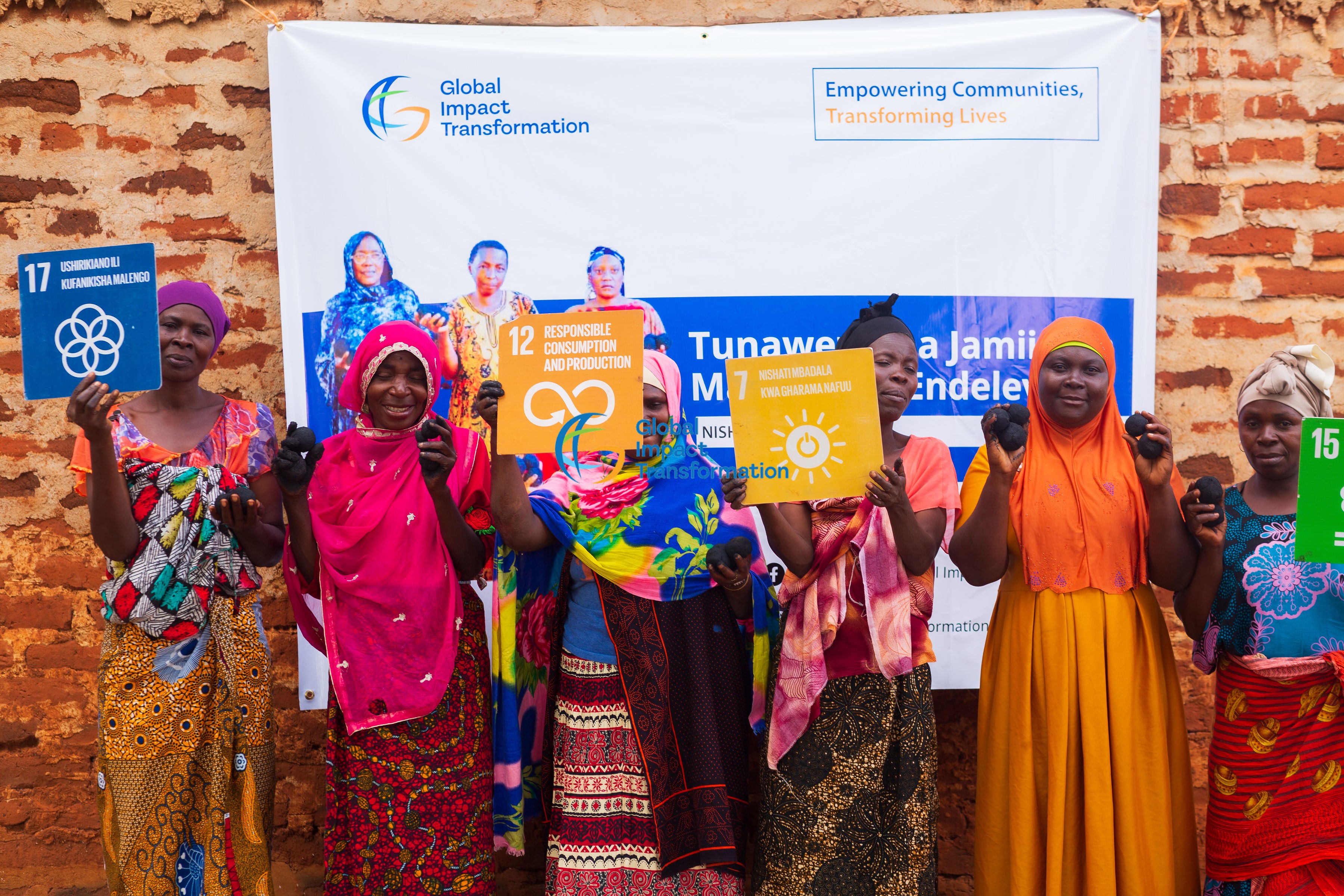
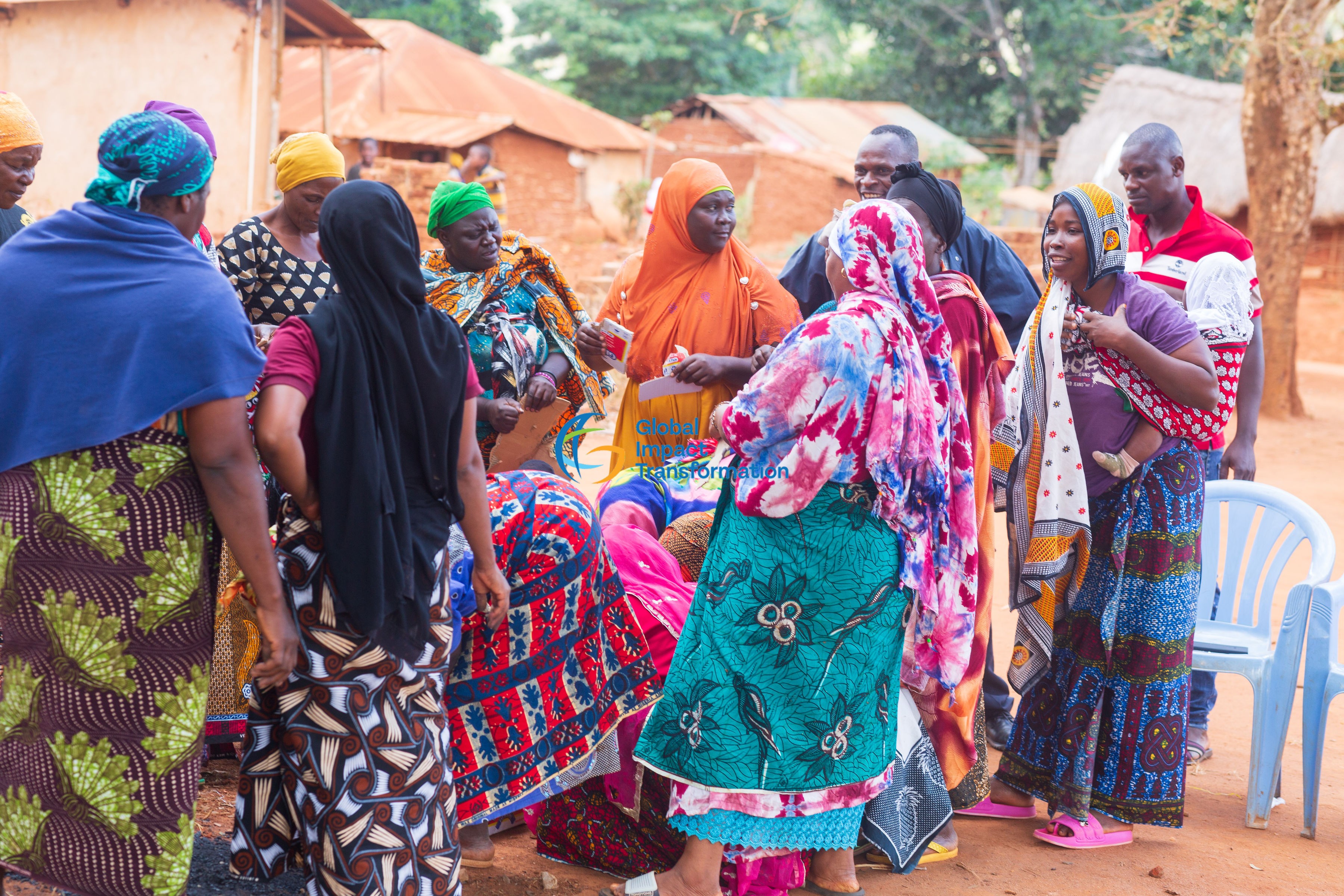
In Handeni, Tanga Region, the TUCHANGAMKE women’s group has successfully completed a Training of Trainers (ToT) on producing alternative charcoal from waste materials. This milestone represents more than new skills, it symbolizes a breakthrough in women-led climate innovation, where grassroots leadership is reshaping the way communities engage with energy, environment, and the economy.
The event was graced by Ward Executive Officer Rahma Kang’ong’o, who applauded the women’s courage, creativity, and leadership. Her presence underscored the importance of collaboration between local authorities and community groups in scaling sustainable solutions and shaping inclusive development pathways.
Building on a Growing Movement
The training in Handeni builds on similar Training of Trainers (ToTs) conducted by GIT in Mtwara, Dar es Salaam, and Bagamoyo, where women and girls have already begun transforming knowledge into action. In these regions, participants are producing alternative charcoal for household use, reducing reliance on firewood and traditional charcoal while advancing clean energy solutions. At the same time, they are establishing small-scale enterprises to market and sell briquettes—creating new pathways for economic empowerment, entrepreneurship, and sustainable livelihoods. These efforts demonstrate how climate justice and green economy innovation can be driven from the ground up by women and girls, who are often the most affected by environmental degradation yet remain at the forefront of building solutions.
These success stories demonstrate that when women and girls are equipped with climate-smart technologies, they not only protect natural resources but also create inclusive, resilient, and sustainable economies.
Women and Girls at the Heart of Climate Justice
Deforestation and reliance on unsustainable charcoal remain pressing environmental challenges in Tanzania. By transforming agricultural and household waste into clean energy alternatives, these women-led initiatives are:
- Reducing pressure on forests and advancing climate justice.
- Improving household energy security and lowering health risks linked to smoke inhalation.
- Driving green innovation at the community level through waste-to-energy practices.
- Expanding economic opportunities for women and girls through new value chains in the green economy.
The W.E.L.L. Initiative demonstrates that empowering women and girls is not only a matter of rights, it is a catalyst for climate action, economic transformation, and social resilience.
Looking Ahead
The journey of TUCHANGAMKE and their peers in Mtwara, Dar es Salaam, and Bagamoyo proves that women and girls are not merely recipients of interventions, they are drivers of innovation and leadership. Their work demonstrates how grassroots solutions can accelerate Tanzania’s transition toward a more sustainable, inclusive, and climate-resilient future.
GIT remains committed to amplifying these efforts, documenting success stories, and mobilizing partnerships to scale women-led climate solutions across the country and beyond.
For partnership opportunities and collaboration on the W.E.L.L. Initiative, contact us at: info@globalimpacttransformation.org