For the first time in history, Tanzania has a National Action Plan dedicated to advancing the Women, Peace and Security agenda. This groundbreaking step gives women and youth a stronger voice in shaping the country’s future of peace, justice, and inclusive security. Global Impact Transformation (GIT) proudly stood alongside national leaders, civil society, and international partners to witness and contribute to this defining moment.
A Historic Breakthrough in Advancing Women’s Leadership in Peace and Security
By Our Reporter
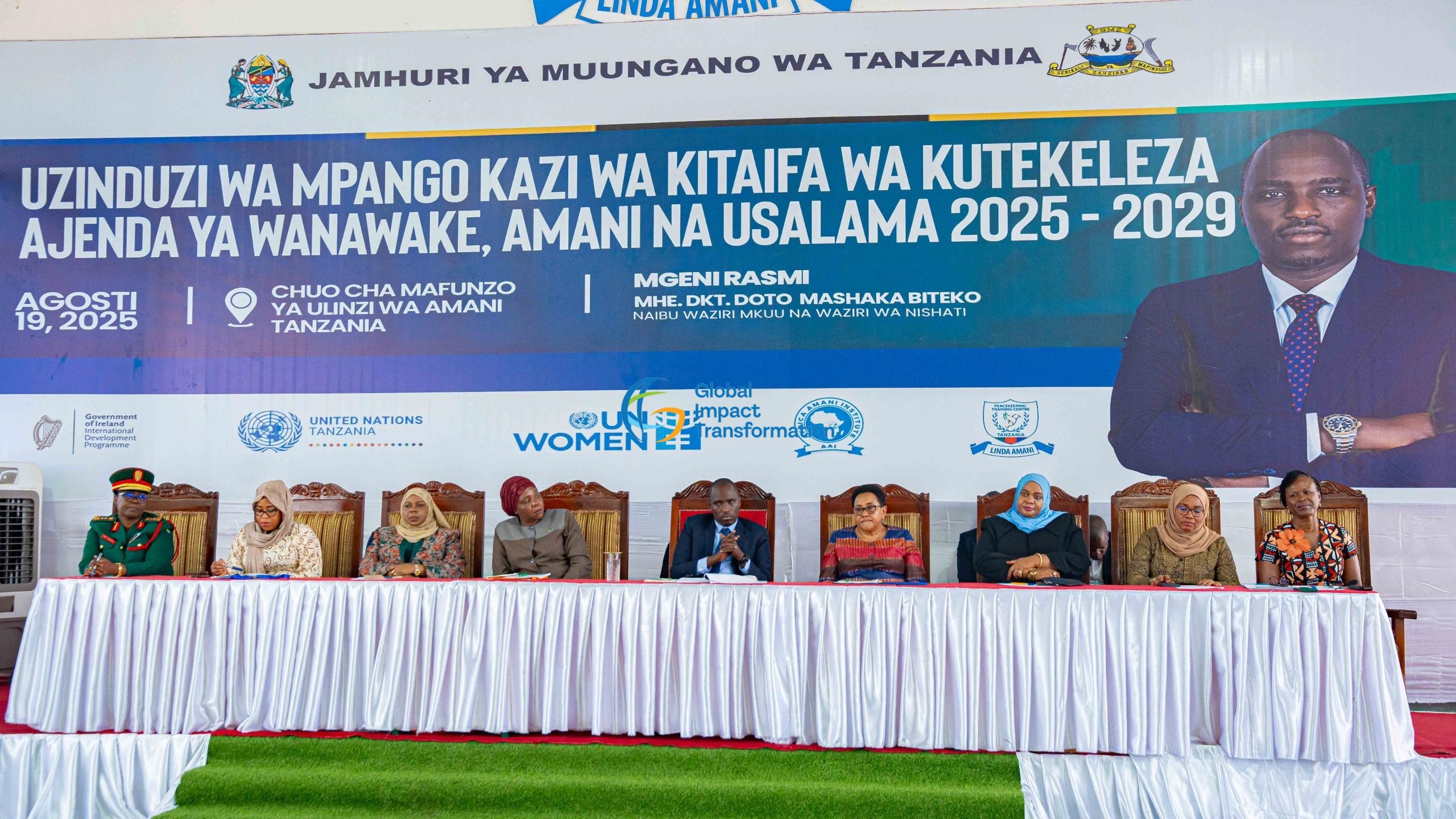
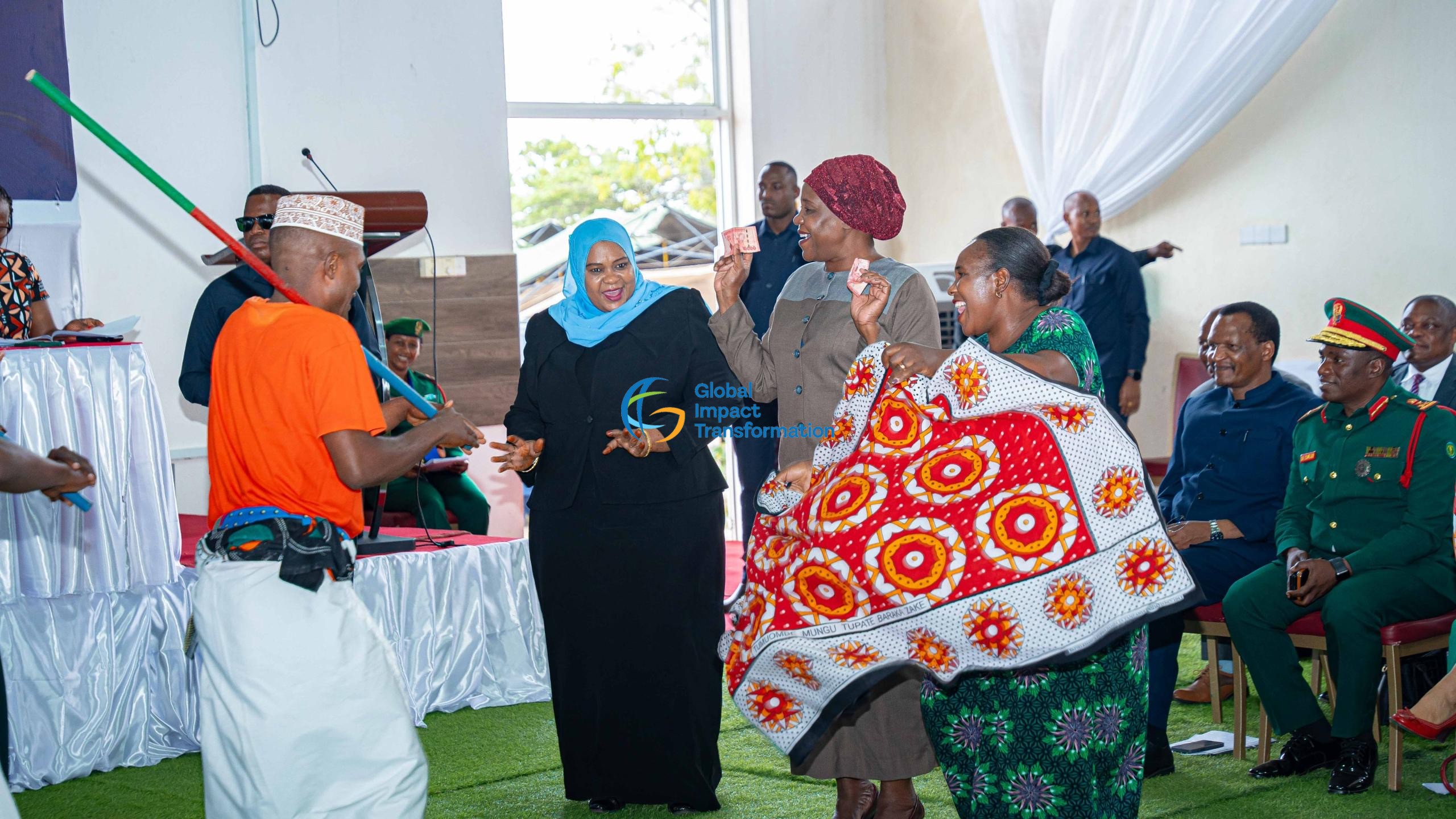
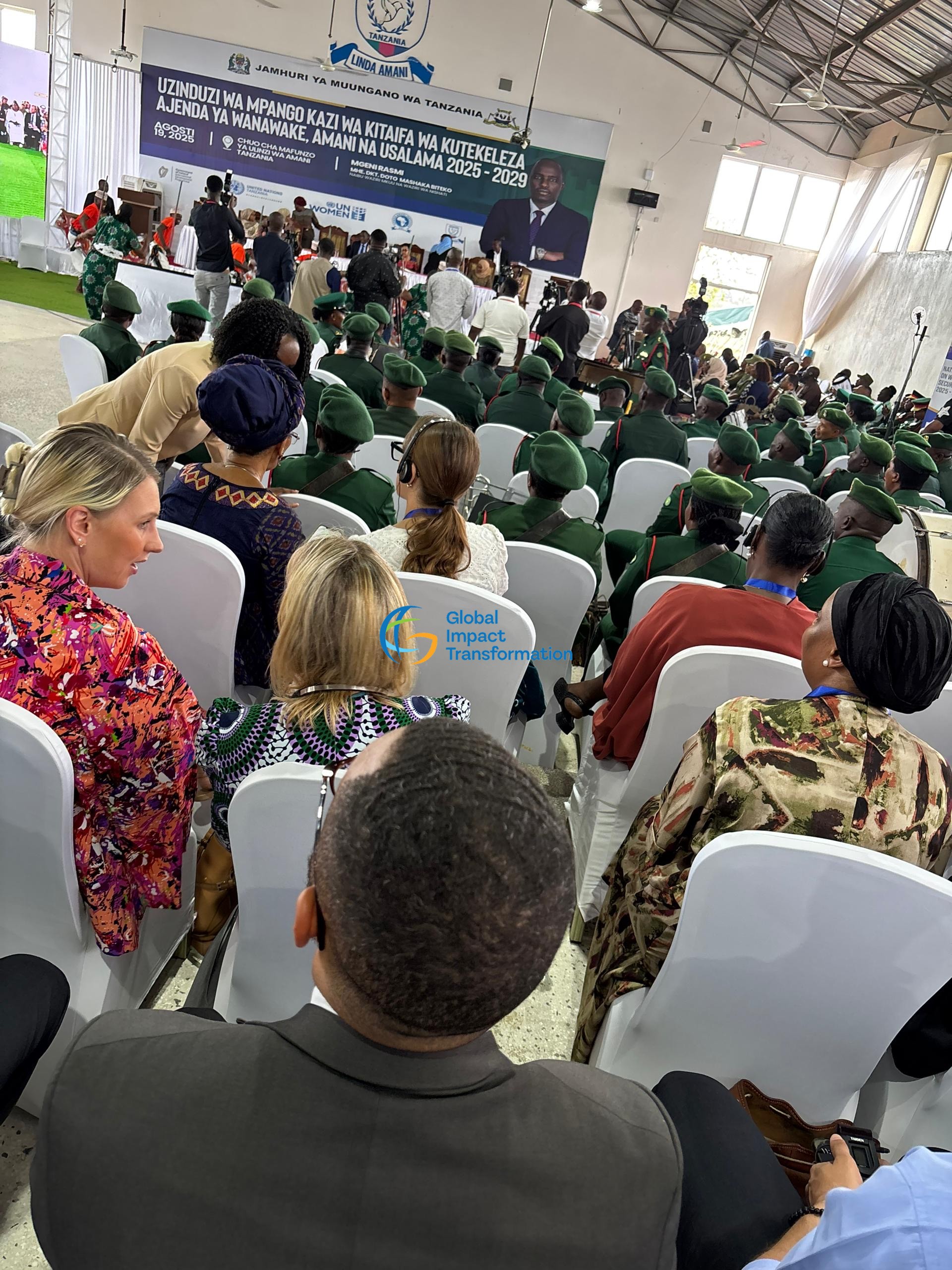
On 19 August 2025, the United Republic of Tanzania formally launched its first-ever National Action Plan on Women, Peace and Security (WPS) for 2025–2029 at the Tanzania Peacekeeping Training Center (TPTC) in Kunduchi, Dar es Salaam. The launch was preceded by a high-level pre-launch symposium held on 18 August at the same venue, convening national leaders, security sector representatives, development partners, and civil society.
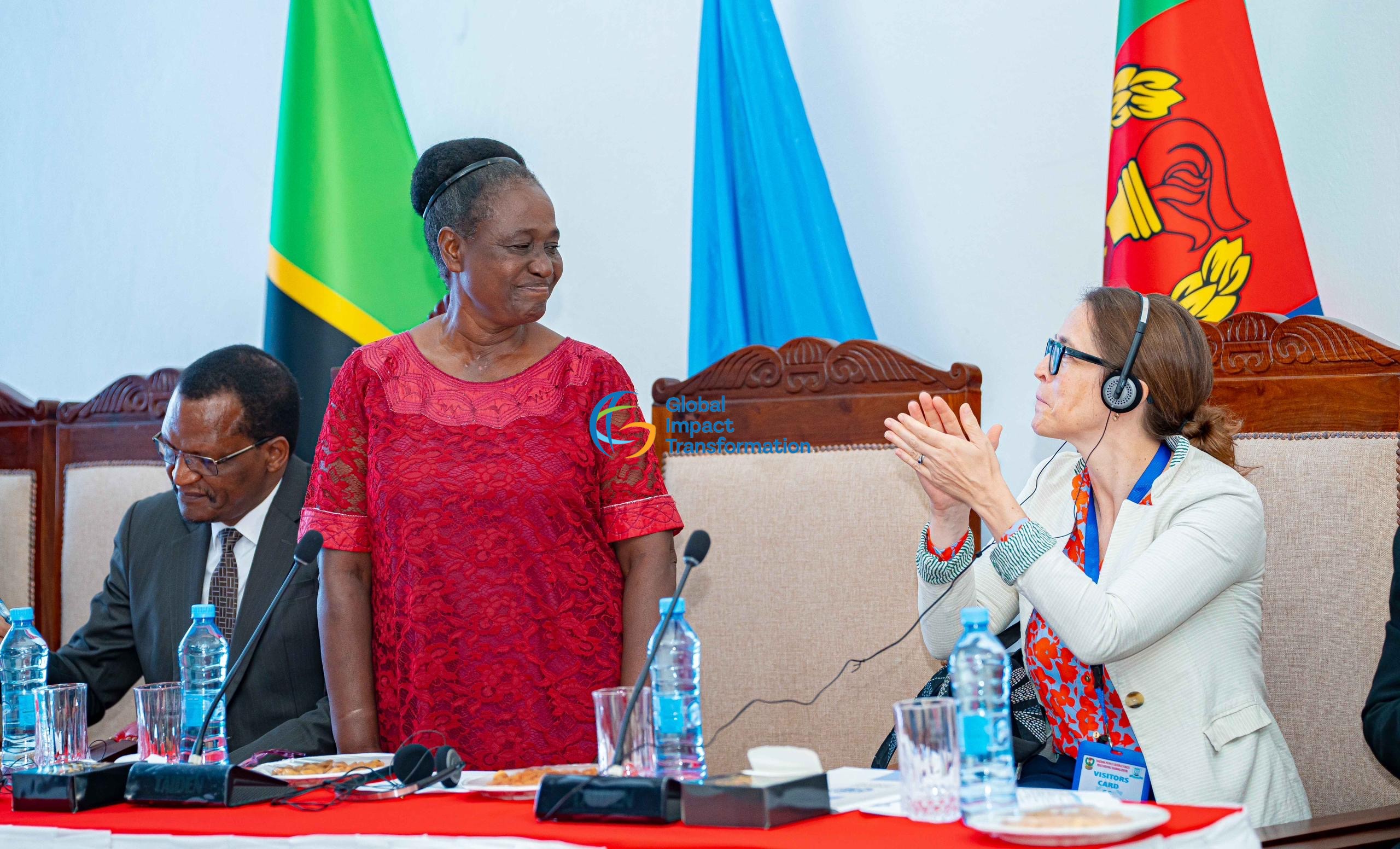
Global Impact Transformation (GIT) was honored to participate in both the symposium and the official launch event. At the symposium, our Board Member Dr. Tatu Nyange served as a key panel speaker, emphasizing the strategic role of women’s leadership, youth engagement, and local civil society in advancing peace and security. During the launch event, GIT stood alongside government and international partners to reaffirm our commitment to translating the NAP into effective community-level action.
“Contributing as part of the special task team that developed Tanzania’s first Women, Peace and Security National Action Plan from the ground up has been a truly historic journey. From shaping the zero draft to witnessing its official launch, I experienced the collective determination to place women and youth at the center of peace and security. This Plan is more than a policy, it is a national promise that the voices, leadership, and safety of women and girls will be at the heart of building a peaceful and inclusive Tanzania.”
Martha Nghambi, Member of the Special Task Team on Tanzania’s First WPS NAP and Executive Director, Global Impact Transformation (GIT)
The Guest of Honor at the launch was the Deputy Prime Minister and Minister of Energy, Hon. Doto Mashaka Biteko, who delivered the keynote address. In his remarks, Hon. Biteko highlighted the indispensable role of women in peace and security and called on relevant ministries across Mainland Tanzania and Zanzibar to allocate resources for the NAP’s implementation. He also urged Regional and District Commissioners who chair local Security and Peace Committees to provide effective oversight and collaborate with development partners
National Action Plans as Tools for Inclusive Peace and Security
Globally, 103 UN Member States have adopted WPS National Action Plans. Of these, 30 are African countries, reflecting strong regional engagement and growing ownership of the WPS agenda, a National Action Plan (NAP) on Women, Peace and Security is a formal government-led framework that operationalizes UN Security Council Resolution 1325 (and subsequent WPS resolutions) into concrete national strategies. It focuses on four interconnected pillars:
Participation — ensuring women’s full, equal, and meaningful participation in peace and security decision-making.
Prevention — addressing root causes of conflict, gender-based violence, and insecurity.
Protection — safeguarding women and girls, with a survivor-centered focus.
Relief and Recovery — ensuring gender-responsive recovery, peace building, and social cohesion.
Tanzania’s new NAP (2025–2029) offers a five-year roadmap to deepen women’s engagement in security, advance justice and protection, address emerging risks including technology-facilitated violence, and build inclusive recovery systems. Government officials emphasized the need for resourcing, strong inter-ministerial coordination, and equitable implementation across Mainland Tanzania and Zanzibar
The NAP provides a whole-of-government and whole-of-society mechanism, enabling coordinated actions that improve daily safety, justice, and inclusion for women, girls, and other marginalized groups.
A Collective Call to Action
The launch of Tanzania’s first Women, Peace and Security National Action Plan (2025–2029) is more than a policy milestone, it is a national commitment to leave no one behind in the pursuit of peace, justice, and equality. The Plan reflects the country’s recognition that sustainable peace cannot be achieved without the full, equal, and meaningful participation of women and girls in decision-making and leadership at every level.
Delivering on this commitment will require:
- Strong political leadership across government institutions to champion and resource the NAP.
- Effective inter-ministerial coordination and active engagement of regional and district authorities to ensure implementation reaches communities.
- Sustained partnership with civil society to ground the NAP in local realities and amplify community voices.
- Support from development partners, the private sector, and academia to provide expertise, resources, and innovation for implementation.
- Robust monitoring and accountability frameworks to track progress, share lessons, and ensure transparency.
This collective effort will not only advance gender equality in Tanzania but also contribute to regional and global priorities under the African Union Continental Results Framework on WPS and the UN Sustainable Development Goals.
The NAP is therefore a call to action for all stakeholders, government, civil society, private sector, development partners, and communities to work together in ensuring that commitments made at the national level translate into real and lasting change in the lives of women, girls, and communities across Tanzania.