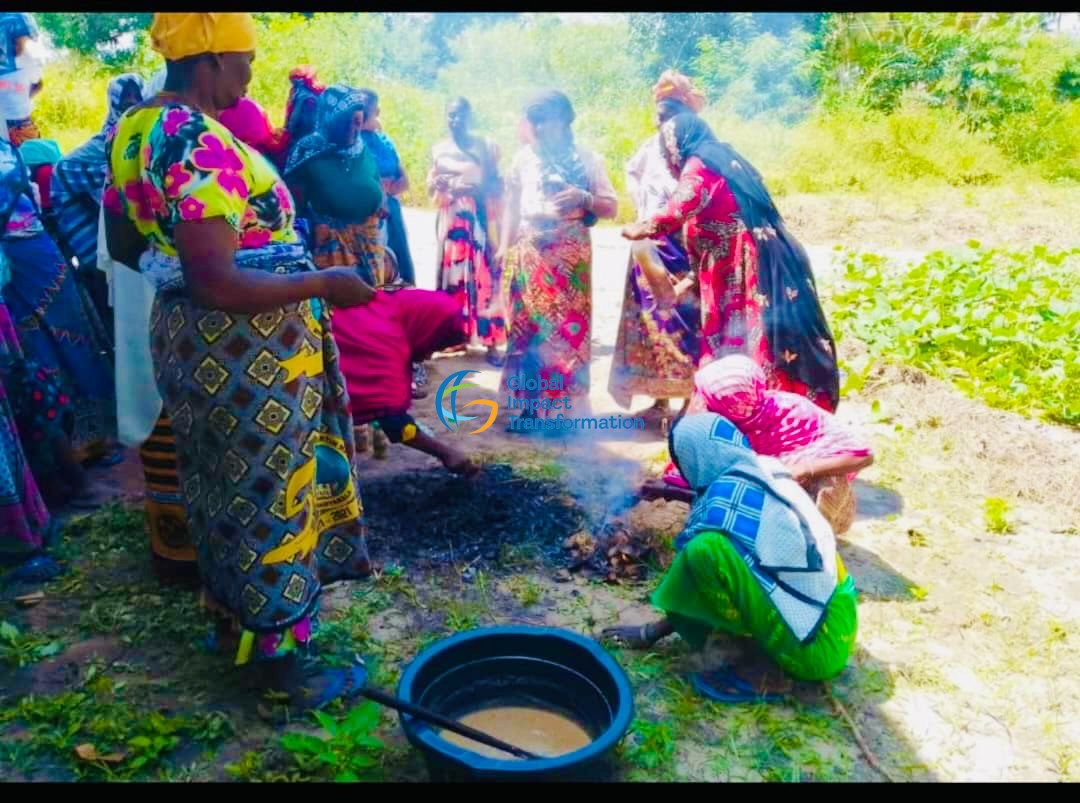
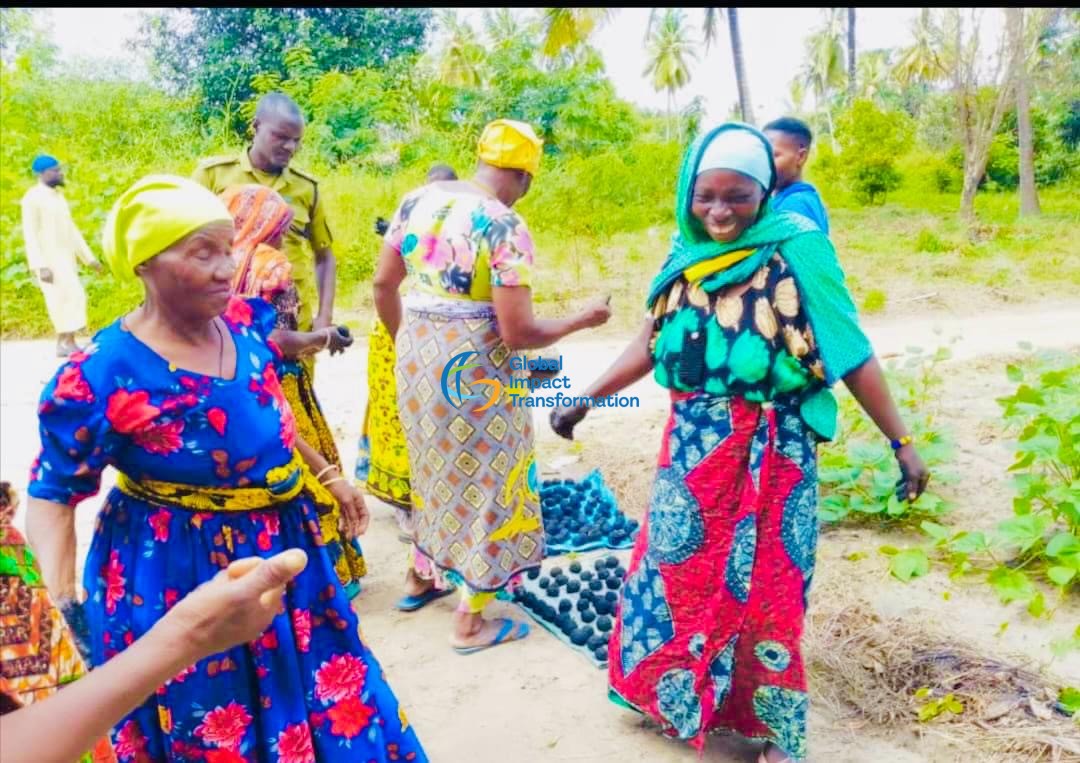
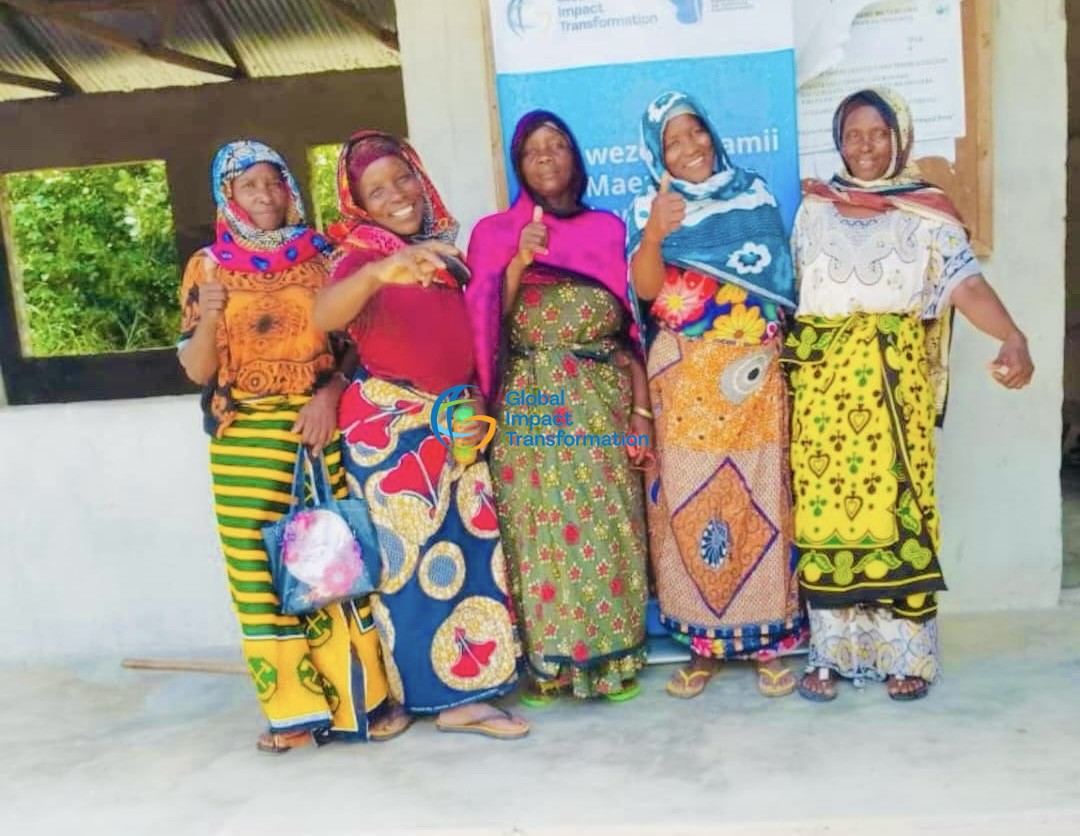
In Mtwara, Tanzania, the "Tupambane" Lets rise together Women Group is turning agricultural waste into clean energy and opportunity. Formed through a Training of Trainers on sustainable charcoal production, these women are advancing climate action, creating livelihoods, and protecting forests. By leading in green innovation, they are closing gender gaps in the energy sector and inspiring community-wide change. Their journey shows that when women lead, the green economy grows stronger and more inclusive
Catalyzing grassroots women’s innovation for climate-resilient livelihoods through sustainable charcoal production and the transition to a green economy.
By Our reporter
Mtwara, Tanzania, early 2025 marked the beginning of an inspiring chapter in the coastal region of Mtwara, where women are redefining climate solutions from the ground up. The Tupambane Women Group, formed after an intensive Training of Trainers (ToT) on sustainable charcoal production, is demonstrating that when women lead, climate action becomes both inclusive and transformative.
Armed with the skills to produce alternative charcoal from agricultural waste, these women have gone beyond meeting their own household needs to train other women and girls in their community. In doing so, they are catalyzing a ripple effect of environmental restoration, income generation, and community empowerment.
In Tanzania, traditional charcoal remains a primary cooking fuel, driving deforestation, increasing carbon emissions, and threatening biodiversity. Tupambane’s eco-friendly charcoal briquettes, made from locally sourced agricultural residues, offer a cleaner, affordable, and community-driven alternative. By replacing wood-based charcoal with sustainable briquettes, the group is reducing pressure on forests and slowing deforestation rates,lowering carbon emissions and contributing to climate change mitigation, providing a locally produced, renewable energy source that is accessible to low-income households.
Their work aligns directly with:
SDG 7: Affordable and Clean Energy
SDG 13: Climate Action
SDG 15: Life on Land
From Household Innovation to Market Transformation
The journey began modestly, with members using the briquettes in their own kitchens, cutting daily fuel costs and reducing smoke-related respiratory risks, particularly for women and children. Motivated by these immediate benefits, the group scaled up production, sharing knowledge and encouraging other women to join. Today, Tupambane is laying the foundation for a women-led, climate-smart micro-enterprise, strengthening both household resilience and local green market systems. This initiative is more than a livelihood project, it is climate justice in practice. In many rural communities, women are disproportionately affected by climate change and energy poverty, often bearing the responsibility for fuel collection and household cooking.
By placing women at the center of clean energy production and knowledge transfer, Tupambane is ensuring that the transition to a green economy is inclusive and equitable, providing leadership opportunities for women in climate and energy sectors. and demonstrating that grassroots solutions can influence systemic change when supported and scaled.
As one member shared: “We started with our homes, but now we see we are part of something much bigger, protecting our forests, improving community health, and building climate-resilient livelihoods so our children can thrive in a cleaner, safer, and more equitable world,” said Rehema Selemani (38), member of the Tupambane Women Group and mother of three.
The journey of the Tupambane Women Group demonstrates that grassroots women’s innovation can deliver transformative climate solutions while building sustainable livelihoods. When women have access to skills, resources, and markets, they not only protect ecosystems but also strengthen community resilience and inspire future generations.
By fostering inclusive economic opportunities, protecting natural resources, and promoting gender equality, the Tupambane Women Group is contributing to more harmonious, resilient, and sustainable communities. Their work reduces environmental pressures that can fuel conflict, strengthens social cohesion through shared skills and collective enterprise, and ensures that the benefits of the green economy are accessible to all. This integrated approach demonstrates how climate action, economic empowerment, and social harmony can reinforce one another, creating a foundation for peace and prosperity
We call on local government, development partners, private sector actors, and civil society to collaborate in scaling sustainable charcoal innovation, expanding market opportunities, and integrating women-led solutions into climate and energy strategies. Together, we can accelerate the shift to a just, inclusive, and green economy, leaving no one behind.
To partner with us in scaling this initiative, contact us at: info@globalimpacttransformation.org