Across Tanzania, a generation of young people is rising to confront the twin challenges of unemployment and the climate crisis, with limited access to formal jobs, youth are turning to innovation and green solutions to build resilient livelihoods. Global Impact Transformation (GIT), in partnership with Her Initiative, is nurturing this shift by unlocking pathways to the green economy and community led climate action. This approach positions young people not only as beneficiaries but as the driving force of climate justice and inclusive development.
From Waste to Wealth: GIT and Her Initiative Empower Youth Through Climate Smart Skills Training
By Our Reporter
Across Tanzania, youth face an urgent and intersecting crisis: soaring youth unemployment and economic vulnerability on one hand, and intensifying climate impacts on the other. According to the International Labour Organization (ILO, 2024), over 22% of Tanzanian youth are unemployed, while many others are underemployed in low-paying informal work. At the same time, climate change is accelerating deforestation, degrading land, and increasing the frequency of droughts and floods, threatening agriculture, the primary livelihood for rural families.
These challenges hit adolescent girls and young women the hardest. Without access to practical and marketable skills, many are locked out of economic opportunities and left vulnerable to the social and financial shocks caused by climate change. In emerging green economies, where new opportunities are rising in renewable energy, waste recycling, and climate-smart agriculture, girls are often the last to benefit, widening the gender gap in economic empowerment.
Turning Vulnerability into Opportunity through Green Skills
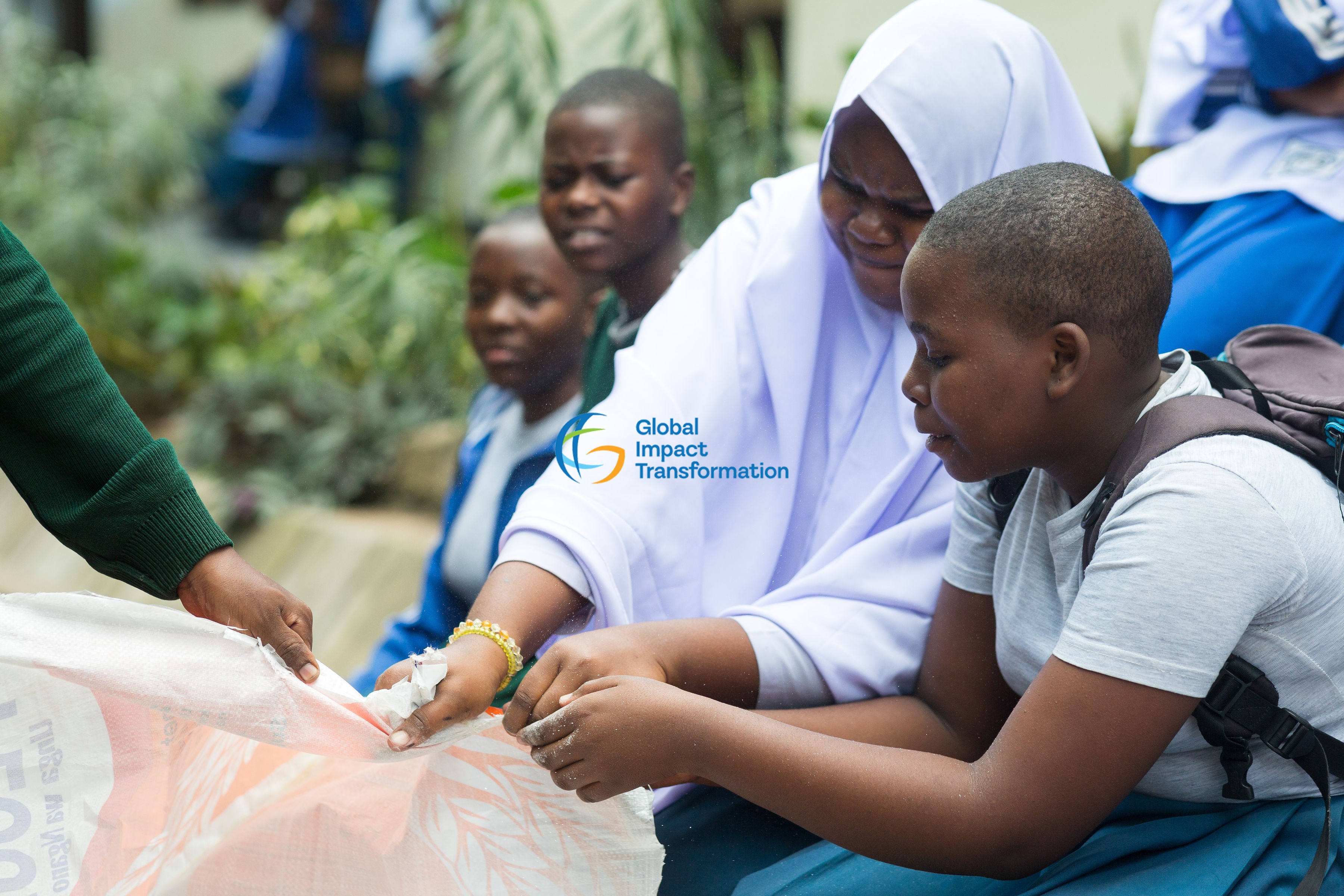
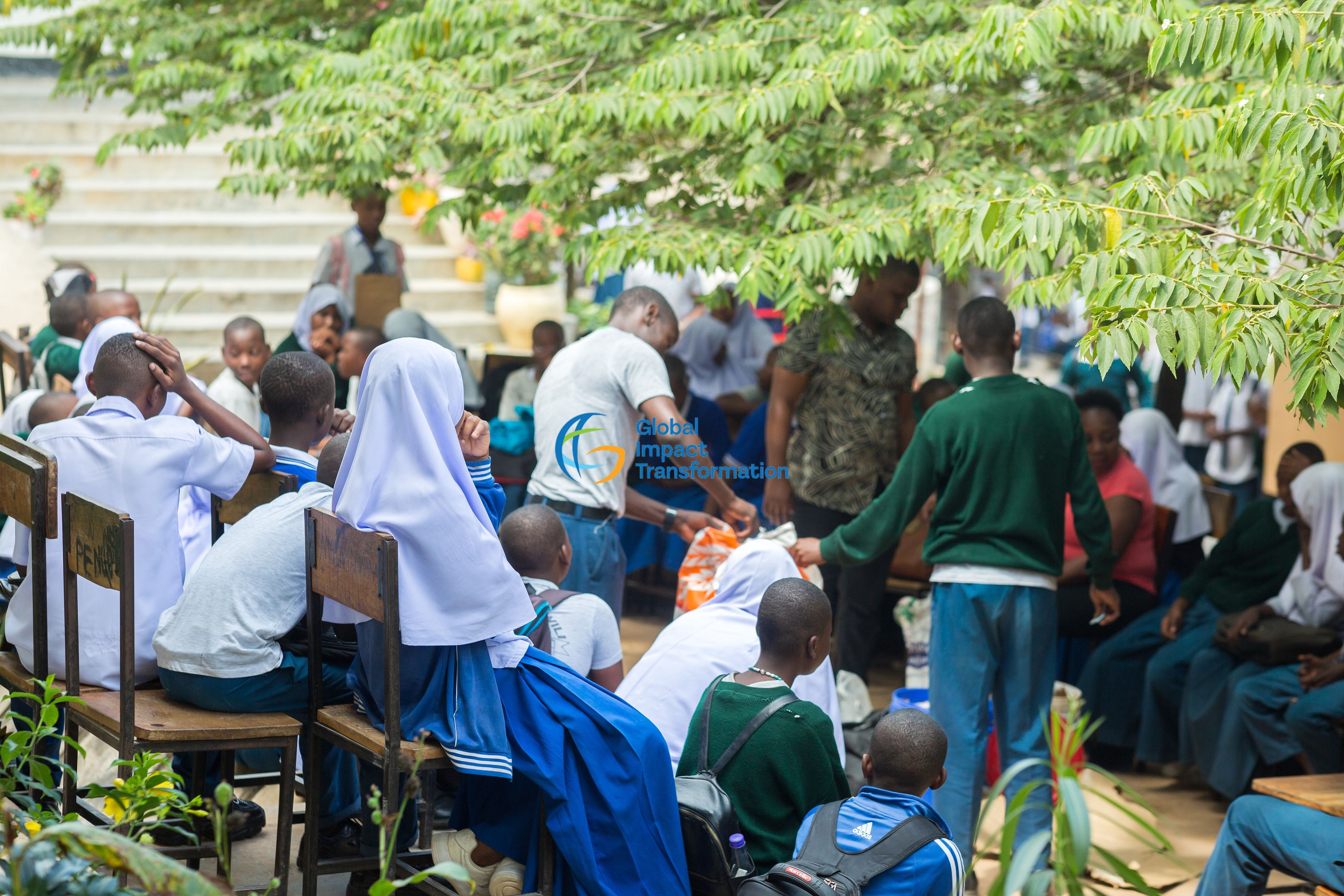
To confront these challenges, Global Impact Transformation (GIT), in partnership with Her Initiative, launched a climate-smart, green innovation training at Malamba Mawili Secondary School, through Mshiko club this initiative transforms economic hardship into opportunity by empowering girls with hands-on skills that link climate solutions with entrepreneurship and local innovation.
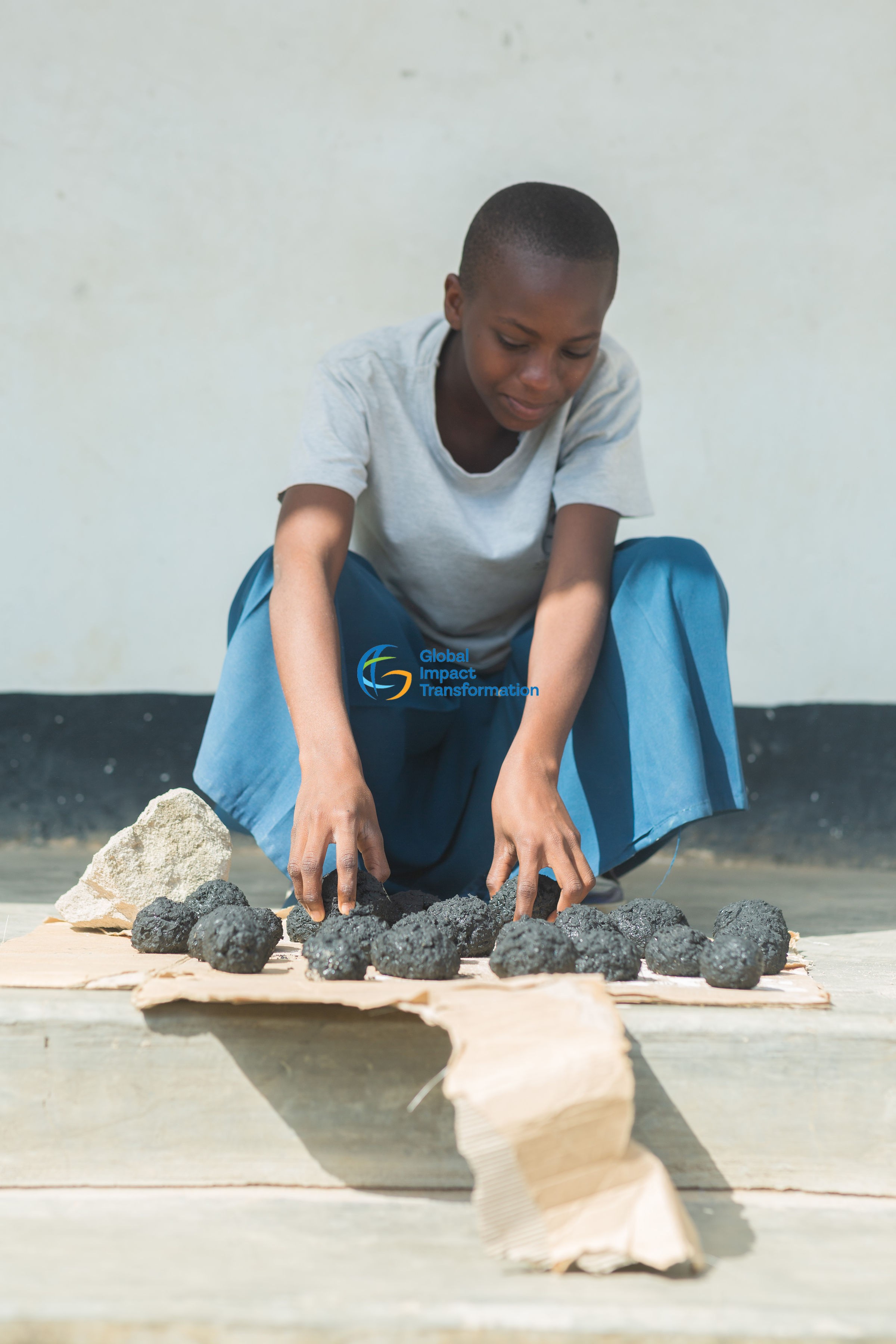
During the Training of Trainers (ToT), students learned how to convert agricultural and household waste into market-ready products, including:
Alternative charcoal, which reduces dependence on deforestation for fuel, eco-friendly shoe polish (KIWI), produced with low-cost, locally sourced, and environmentally safe materials.This practical, inclusive approach demonstrates that waste can become wealth. It also lays the foundation for micro-enterprises and local livelihoods that contribute to household income while reducing environmental harm.
In today’s economy, green jobs are not just the future, they are the present. According to the International Renewable Energy Agency (IRENA, 2024), Africa’s green economy could create 10 million new jobs by 2030, especially in renewable energy, circular economy, and climate-smart agriculture. This program positions youth especially girls at the center of this green transition, providing life ready and marketable skills to unlock self employment, entrepreneurship opportunities, tools for innovation and problem solving, enabling students to address local environmental and economic challenges, pathways to climate resilient livelihoods, reducing reliance on unsustainable practices like tree cutting for charcoal.
This youth centered approach also promotes climate justice. Communities most affected by climate change, women, girls, and low income households are often least responsible for emissions. By equipping youth with inclusive, climate smart innovations, the initiative ensures that local solutions benefit those most impacted first, in line with global climate equity principles.
“The climate crisis is a youth and gender crisis. By empowering girls with green skills and innovation, we are breaking cycles of poverty, driving inclusive economies, and ensuring that no one is left behind in the green transition.” Martha Nghambi, Founder & Executive Director, GIT
Her statement reflects the UN’s call for integrated climate action, where youth leadership, gender equality, and economic inclusion intersect with sustainable development.
Driving Sustainable Development and Community Impact
The impact areas of this initiative extend beyond the classroom, including:
- Environmental Protection and Climate Action
- Reducing deforestation through alternative charcoal production
- Promoting sustainable energy solutions and community awareness on the green transition
- Circular Economy and Local Innovation
- Transforming household and agricultural waste into valuable products
- Encouraging entrepreneurship and micro-enterprises that support household income
- Centering adolescent girls and young women in local climate innovation
- Strengthening economic resilience and reducing gender gaps in green job access.
- Advancing the Sustainable Development Goals (SDGs), SDG 5: Gender Equality, SDG 8: Decent Work and Economic Growth, SDG 12: Responsible Consumption and Production and SDG 13: Climate Action
At Malamba Mawili Secondary School, students, especially girls trained in green innovation are now recognized as local climate champions. They are proof that youth are not just future leaders, they are solution-drivers today, accelerating the shift toward a climate-resilient, inclusive, and sustainable Tanzania.
Our Call to Action
This initiative is planting the seeds of an inclusive green transition. By equipping girls with green skills and entrepreneurial pathways, GIT and Her Initiative are demonstrating that climate action can drive economic transformation, gender equality, and community resilience simultaneously.
As young innovators turn environmental challenges into livelihoods, they are breaking the cycle of unemployment and poverty, restoring the environment, and ensuring that no one is left behind in the green economy. GIT is committed to scaling these youth- focused, climate smart programs to reach thousands of young people across Tanzania, combating unemployment with green entrepreneurship and advancing a just, inclusive, and climate-resilient economy.
Together, we can transform waste into wealth, challenges into opportunities, and youth potential into sustainable impact.
For partnerships, collaborations, and program support, contact us at:
info@globalimpacttransformation.org