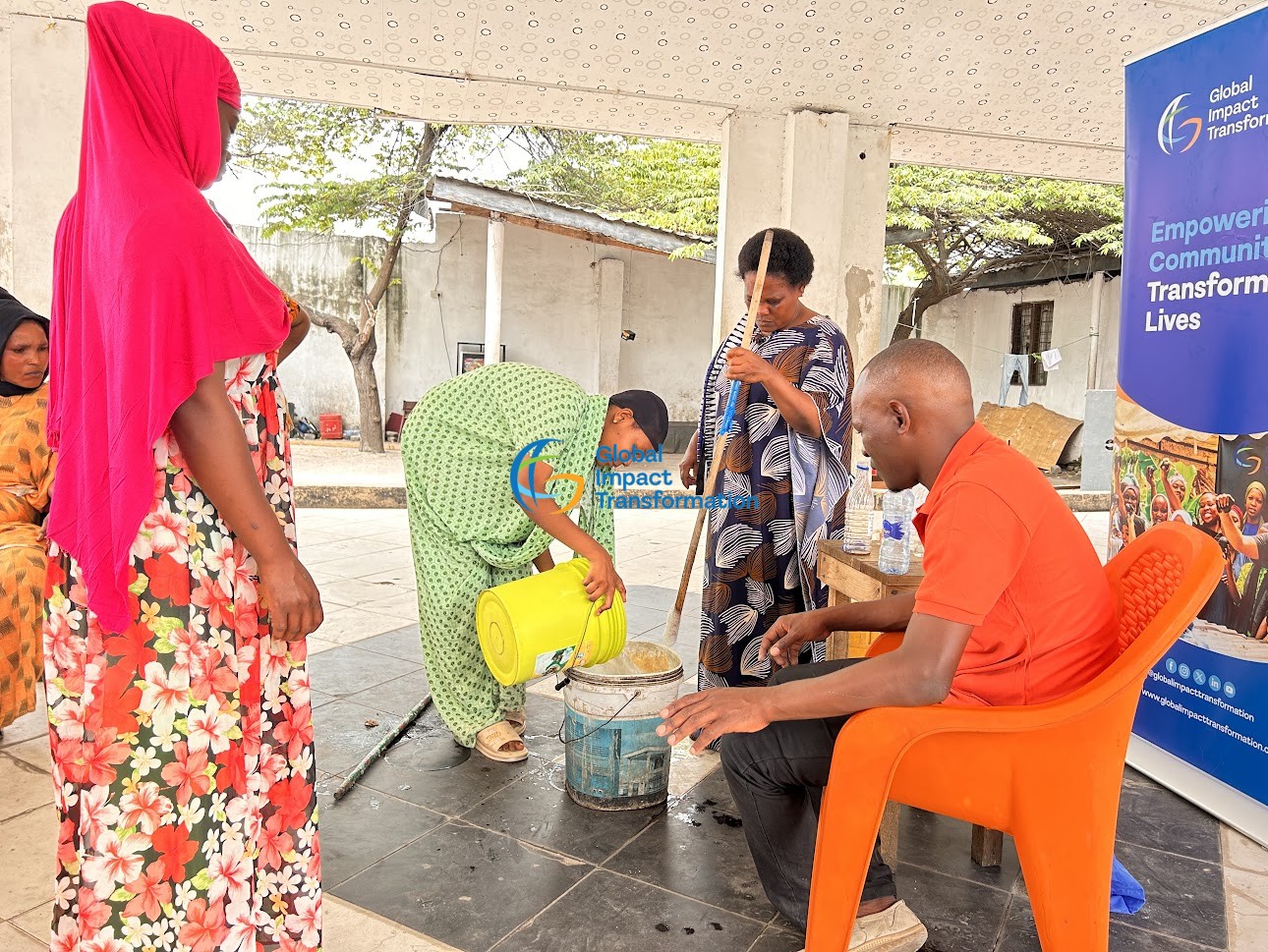
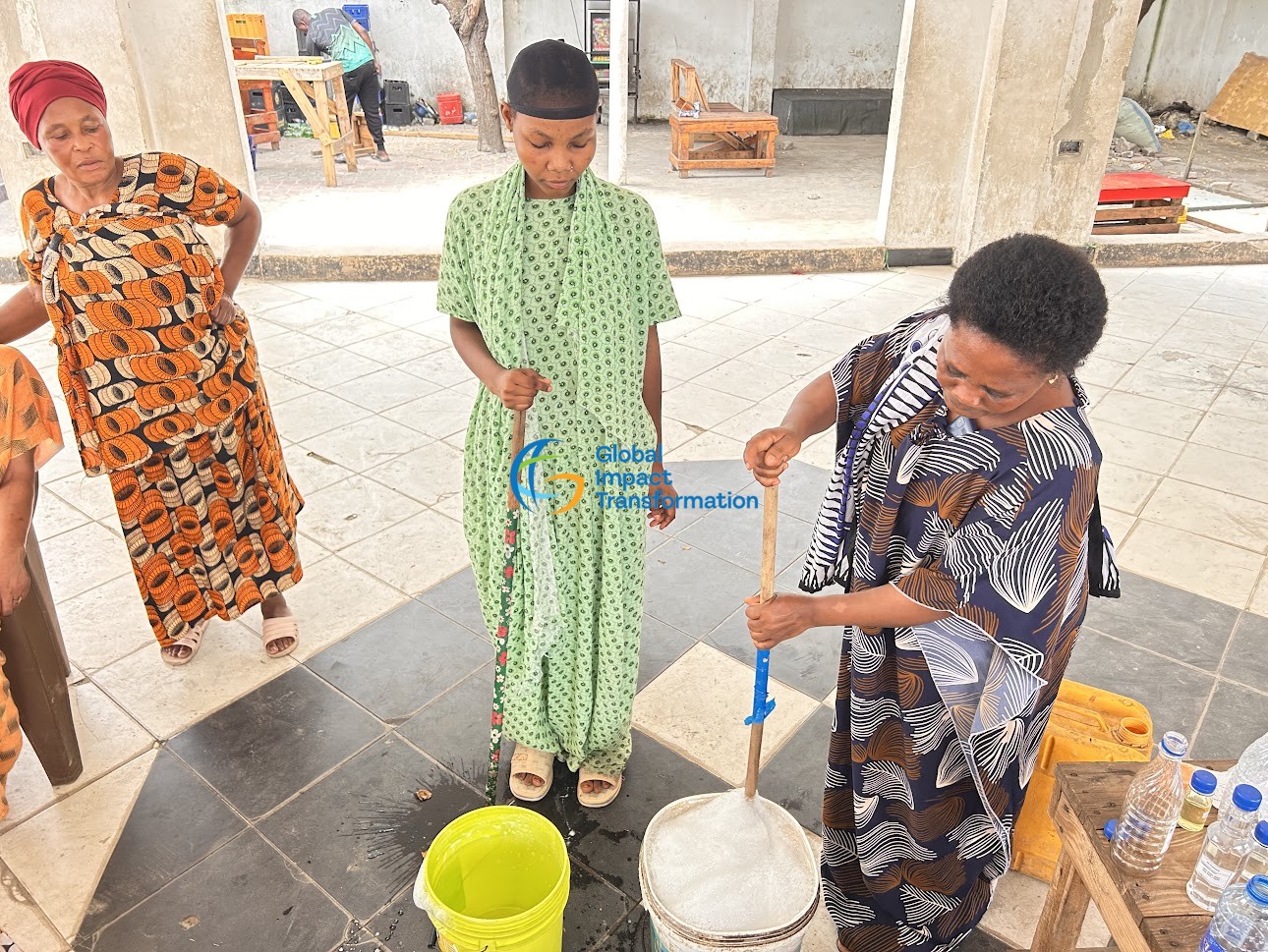
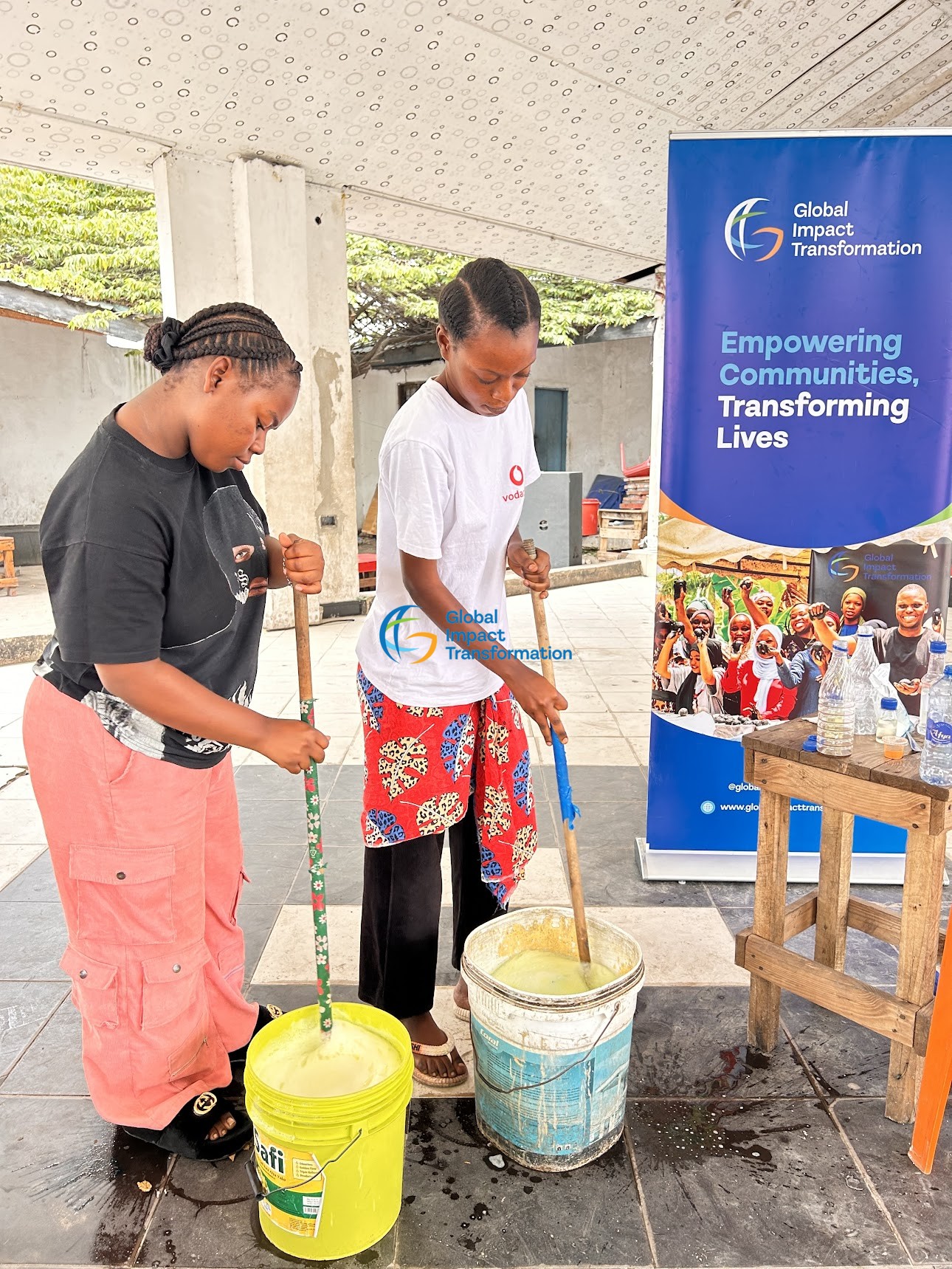
In the informal settlements of Tandale and Manzese, urban neighborhoods grappling with poverty, environmental degradation, and limited access to clean resources, a powerful movement is emerging. Women are no longer waiting for change; they are leading it.
Advancing a gender just green economy through feminist climate leadership rooted in local innovation and women-powered resilience
By Our Reporter
In the urban informal settlements of Tandale and Manzese, where families face intersecting challenges of poverty, pollution, and economic exclusion, a powerful grassroots movement is rewriting the narrative. Women are no longer waiting for solutions; they are creating them.
Through the W.E.L.L. Project (Women’s Empowerment for Livelihoods and Leadership), Global Impact Transformation (GIT) is supporting UWAMATA (Umoja wa Wanawake wa Manzese na Tandale) to build climate-smart, income generating solutions that support both the planet and the household. What began as a training on alternative charcoal has grown into a dynamic model of feminist green enterprise, promoting sustainable family livelihoods and urban resilience.
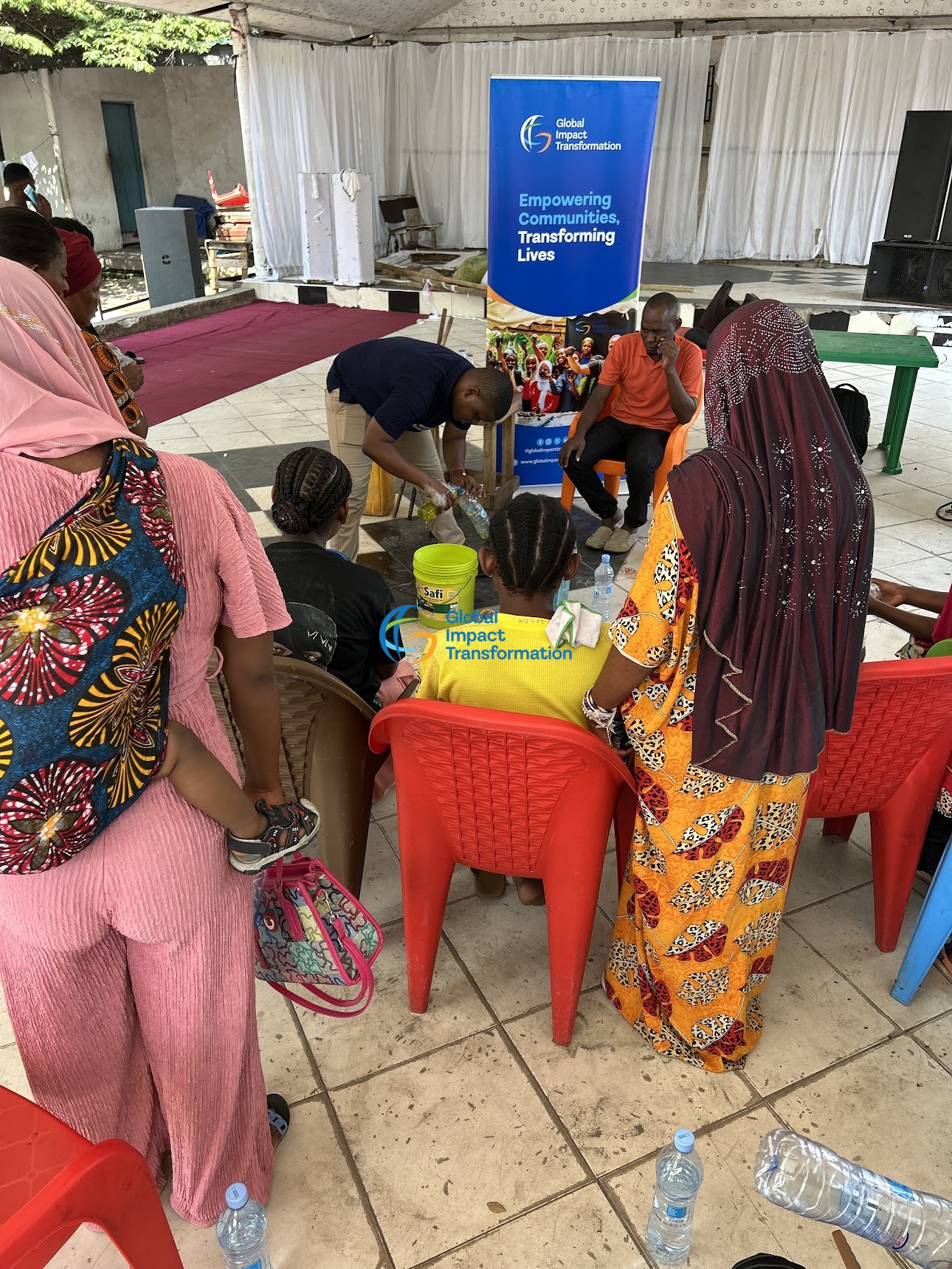
Following their successful Training of Trainers (ToT) on climate-smart alternative charcoal, UWAMATA women have taken their impact to the next level learning to produce organic soap and household bleach (Jik) using locally available, environmentally safe ingredients.These essential products are not just substitutes for expensive store bought options. They are part of a growing movement to empower women as green entrepreneurs who meet urgent household needs, reduce harmful environmental practices, and generate sustainable income for their families.
"As a 29-year-old single mother, this training was just the beginning, but it opened a door. Now I’m using these skills to earn, support my children, and share knowledge with other women and girls in my community”
Amina Abdallah, UWAMATA Member
UWAMATA was officially formed after the charcoal ToT to sustain and scale these skills. The group is now positioned to deliver training to other women and youth across Dar es Salaam’s low-income communities amplifying knowledge, solidarity, and livelihood opportunities from the ground up.
This initiative is a powerful example of how feminist climate action intersects with household economic security and community transformation. Through the W.E.L.L. Project, GIT is: Bridging the gender-climate-income gap in urban informal settlements, helping women move from survival to sustainable self-reliance, supporting access to green livelihoods that improve family welfare, building inclusive markets rooted in women-powered micro-enterprises and urning unpaid care into valued, income-generating work within the green economy. These are not small changes, they are structural shifts. Every bottle of organic soap produced is a step toward economic dignity, gender justice, and climate-smart development.
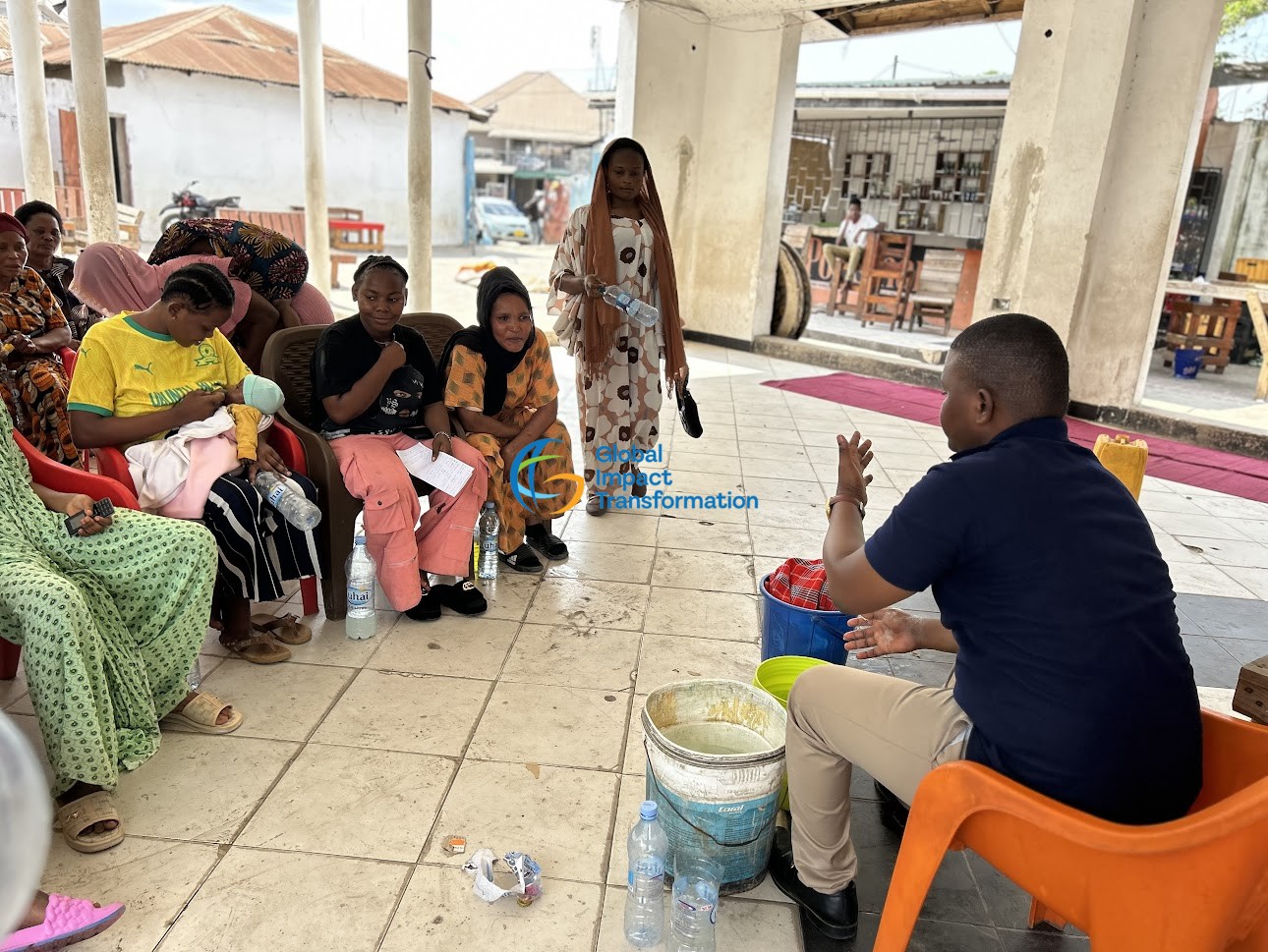
A cornerstone of this initiative’s sustainability is its women-led peer learning model. Following global calls for climate justice and just transitions, UWAMATA members like Amina Abdallah are actively sharing knowledge and mentoring other women and girls in their neighborhoods. Through local demonstration sessions, peer-to-peer training, and community dialogues, they are spreading climate-smart skills that build economic agency and resilience. This inclusive approach amplifies the impact of green livelihoods beyond households creating circular, women-driven micro-economies and strengthening social cohesion across communities.
Looking Ahead
UWAMATA will continue to operate as a formal women’s empowerment group under GIT, receiving ongoing support in product development, branding, market access, and community engagement. With each step, they are proving that investing in grassroots women is investing in climate-smart progress, healthier families, and a more equitable green economy.
Join the Movement: To partner or support the scaling of this women-led climate justice initiative, contact: info@globalimpacttransformation.org