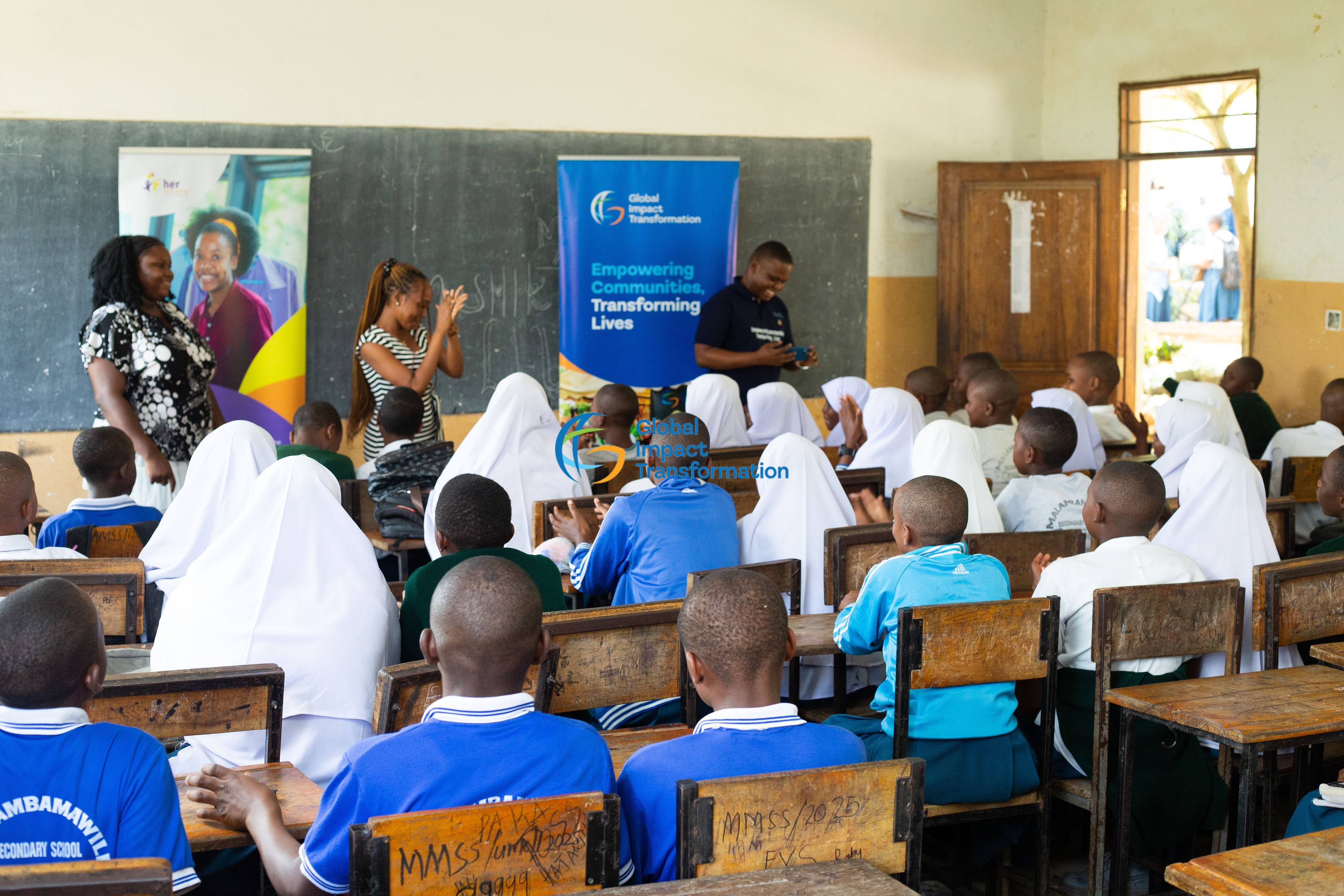
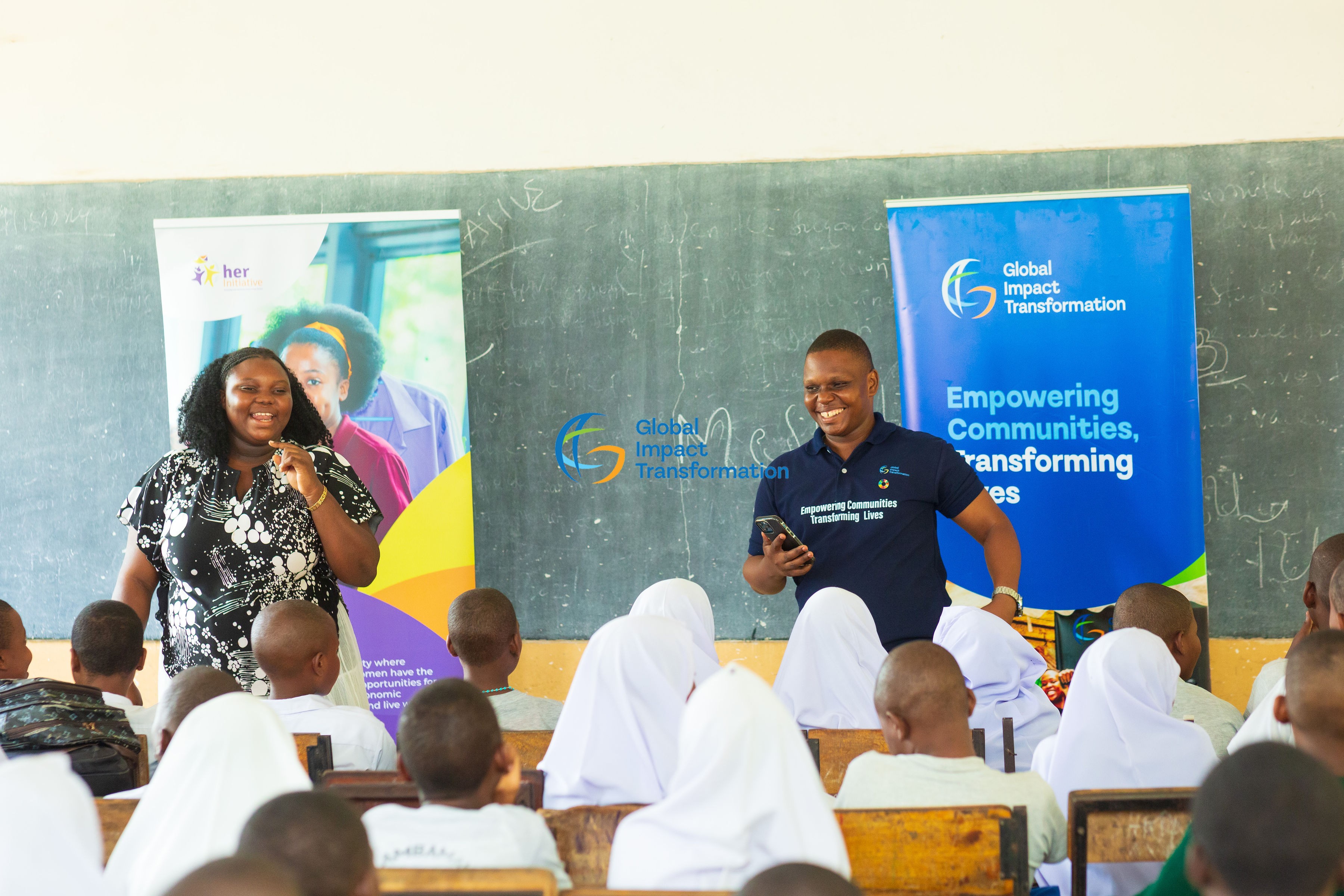
Global Impact Transformation (GIT), in collaboration with Her Initiative, conducted a climate responsive training for students at Malamba Mawili Secondary School.The session introduced eco-innovation concepts like alternative charcoal and sustainable shoe polish production. The session integrated financial literacy and climate smart education to promote inclusive, future ready learning. Adolescent girls, who face disproportionate barriers were the majority of participants, ensuring gender-responsive impact.This initiative forms part of a broader effort to equip marginalized youth with skills for just, inclusive, and sustainable development.
From Learning to Livelihoods: Centering Girls in the Green Economy for Inclusive Development
By our Reporter
In Tanzania and across sub Saharan Africa, adolescent girls continue to face disproportionate barriers to education, economic opportunity, and full participation in society. Financial hardship, harmful gender norms, and limited access to skills-based education contribute to school dropout, Intergenerational poverty, and gender-based exclusion. Concurrently, youth unemployment, environmental degradation, and climate vulnerability are escalating demanding urgent, locally rooted and gender-responsive interventions.
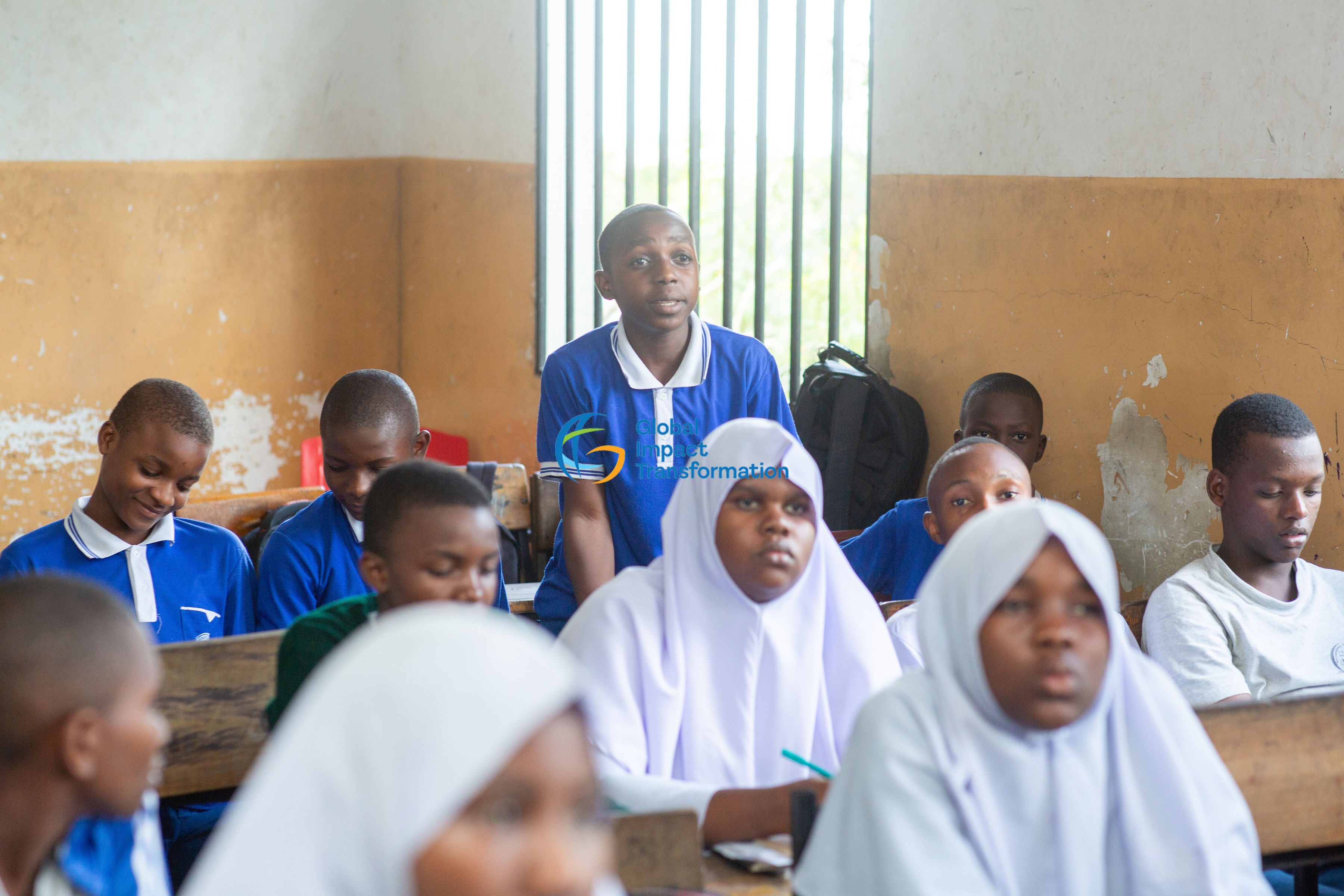
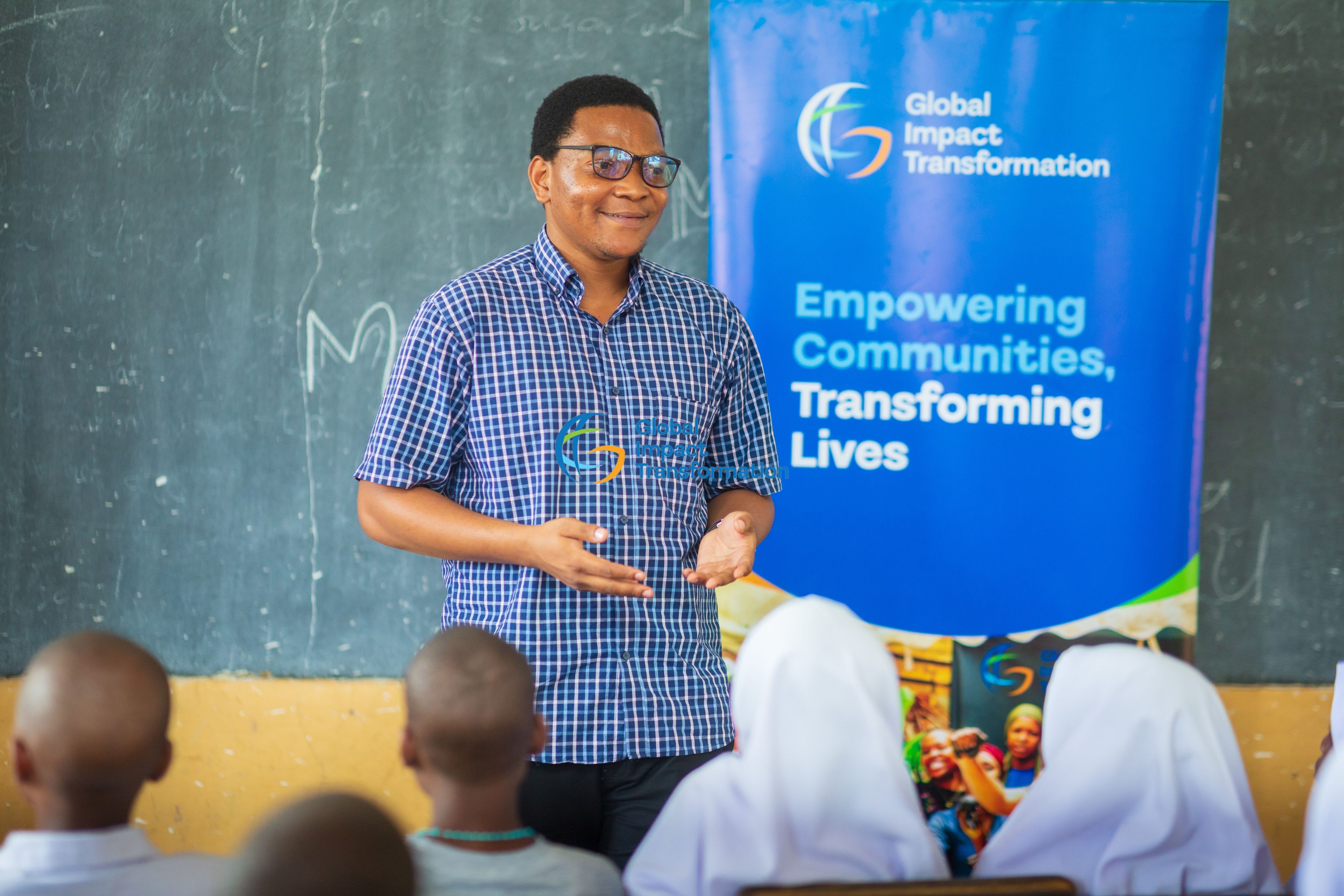
In response to these intersecting challenges, GIT in partnership with Her Initiative, conducted a theoretical training on climate smart innovation at Malamba Mawili Secondary School. The session engaged members of the school’s Mshiko Club, with a majority of participants being girls and introduced students to the principles of green entrepreneurship, specifically focusing on: Sustainable production of alternative charcoal using waste materials, development of eco-friendly shoe polish (Kiwi) using accessible, safe ingredients, and linkages between environmental stewardship, innovation, and inclusive economic development.
The training marked the initial phase of a broader capacity-strengthening program that will ultimately include practical application and enterprise development. While the training engaged both male and female students, the majority were girls, many of whom come from economically disadvantaged households and face heightened risk of school dropout. The session was designed not only to impart knowledge, but to build confidence, agency, and leadership among young women, while fostering allyship and shared responsibility among their male peers.
This initiative goes beyond skills training, it is about advancing gender equality, promoting inclusive economic opportunities, and enabling young people to participate meaningfully in the green economy. By centering girls in climate-responsive education and financial literacy, we are strengthening the foundation for equatable, sustainable development .”
— Humphrey Ottaru, Coordinator, Global Impact Transformation (GIT)
Integrated Support to Address Educational Barriers
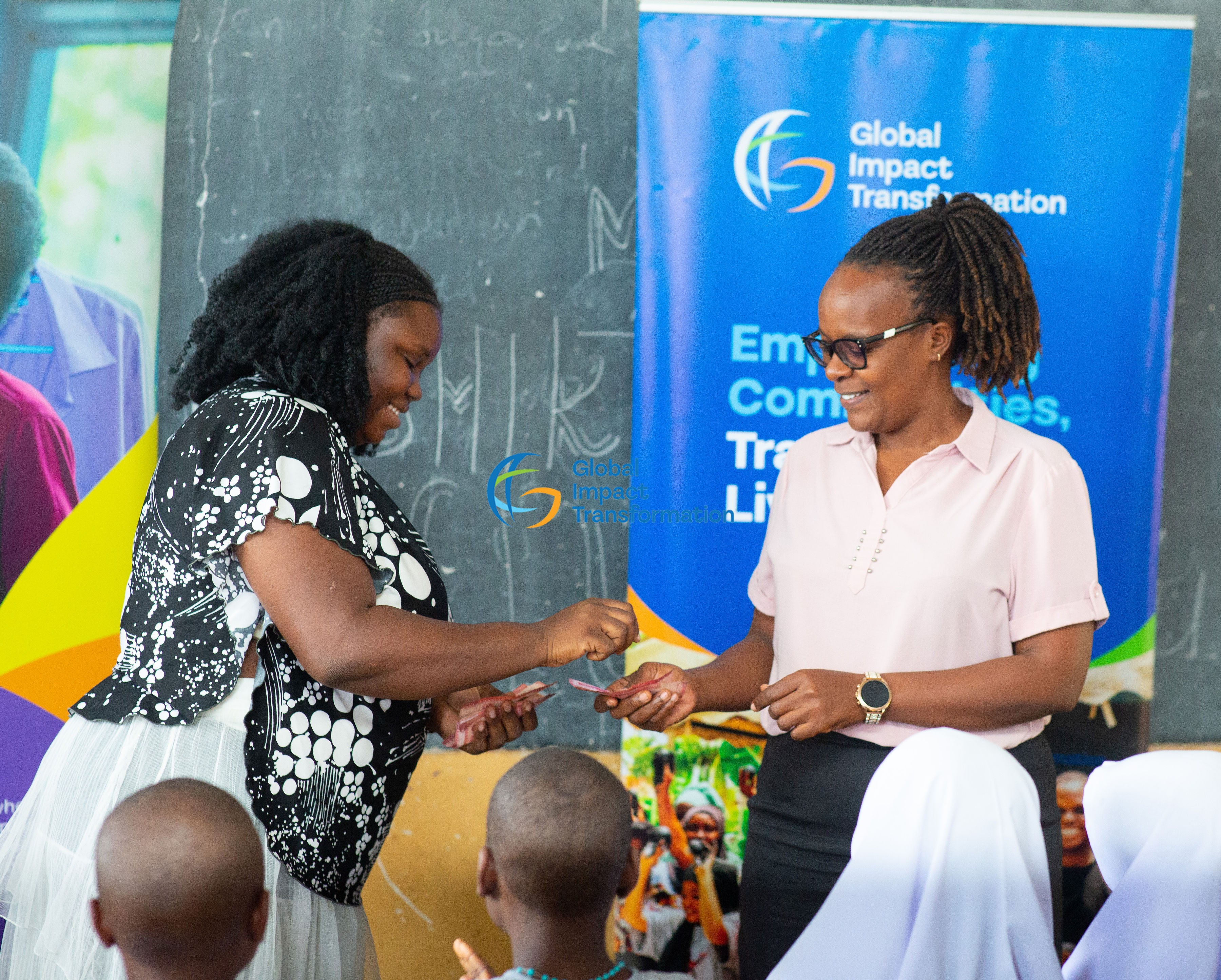
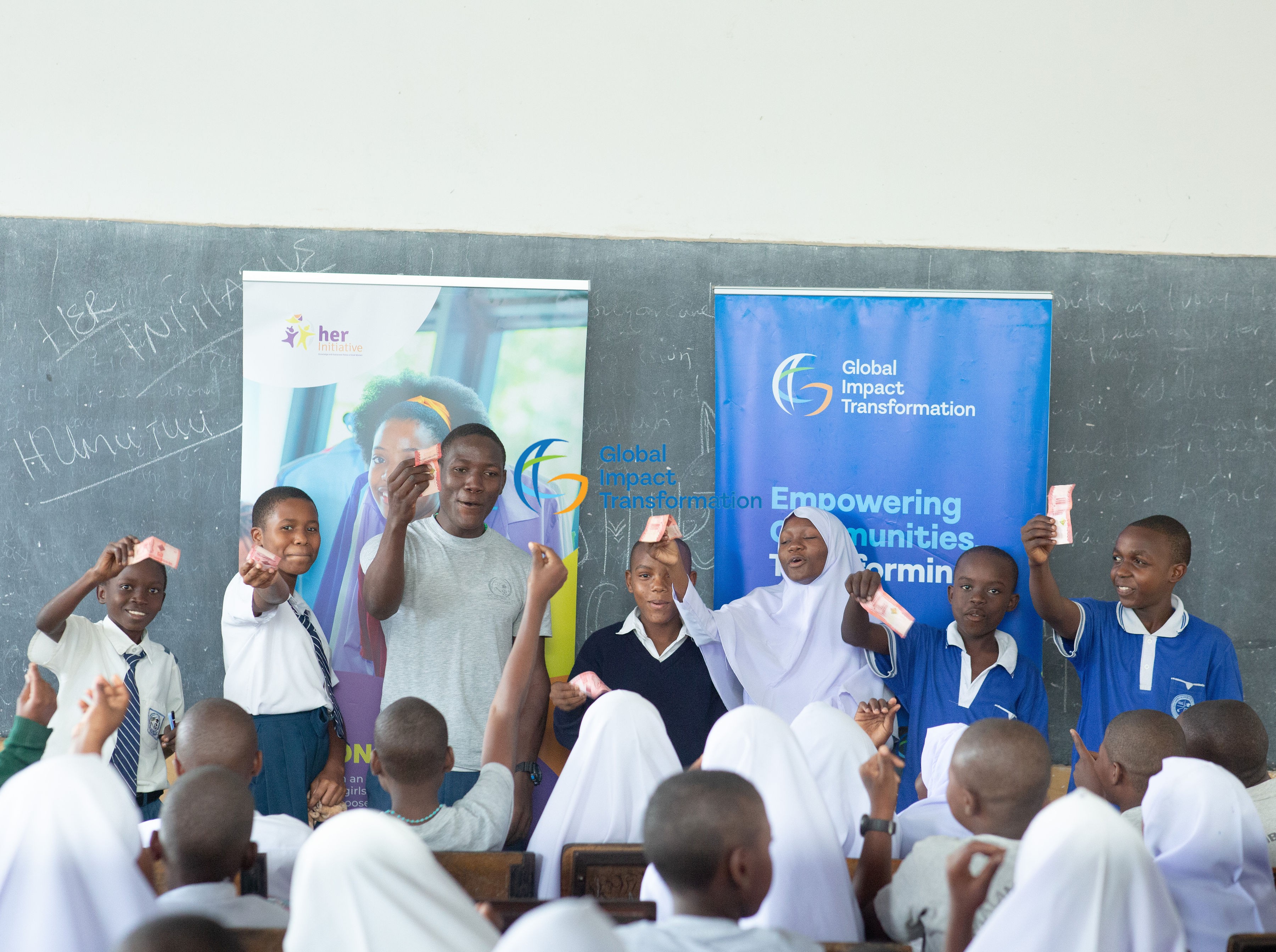
As part of the program, Her Initiative provided seed support to a select number of students to address urgent educational and basic needs, including school related costs. This integrated approach ensures that financial hardship does not prevent girls from completing their education or participating in transformative learning opportunities.
This provision reflects a human rights based commitment to leave no one behind and addresses the structural and material inequalities that disproportionately affect girls in marginalized settings.
In the next phase, GIT and Her Initiative will facilitate practical workshops to enable students to begin production of alternative charcoal and eco-friendly shoe polish. This initiative contributes to youth empowerment, environmental sustainability, and gender-responsive education, and represents a replicables model for school to enterprise transitions that are both locally driven and globally aligned.
As this initiative moves from theory to practice, GIT and Her Initiative remain committed to expanding access to skills, resources, and opportunities that empower youth to drive change within their schools, families, and communities
Together, we are investing in young innovators, nurturing climate-responsive leadership, and advancing a more inclusive, equitable, and sustainable future starting from the classroom and reaching far beyond.