At a time when Africa is disproportionately affected by climate change, despite contributing the least to global emissions, empowering local leadership is no longer optional. It is essential. W.E.L.L. places women at the center of the just transition to a green and inclusive economy, ensuring that no one is left behind.
Scaling a Feminist Climate Model Rooted in Community Power
By our reporter
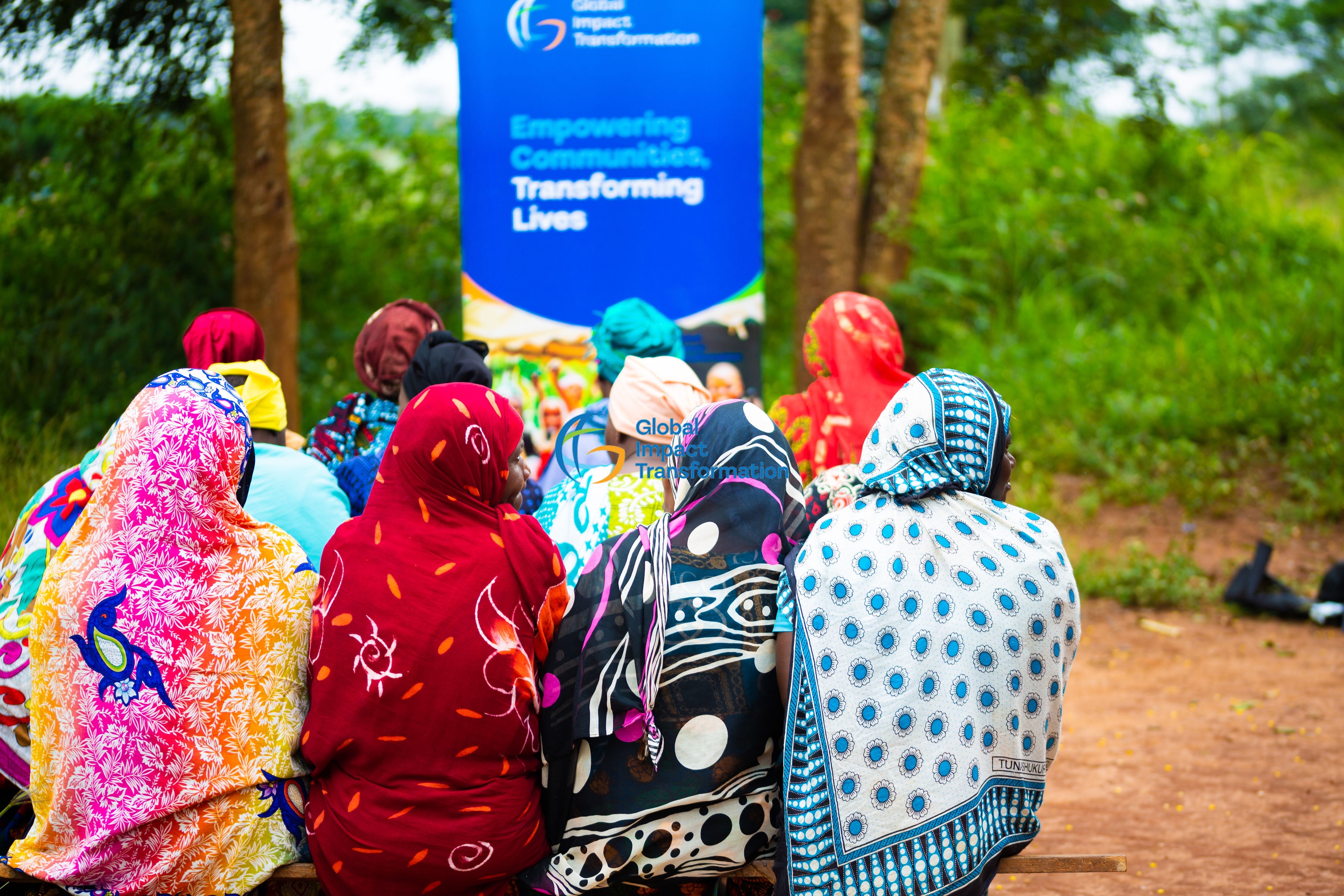
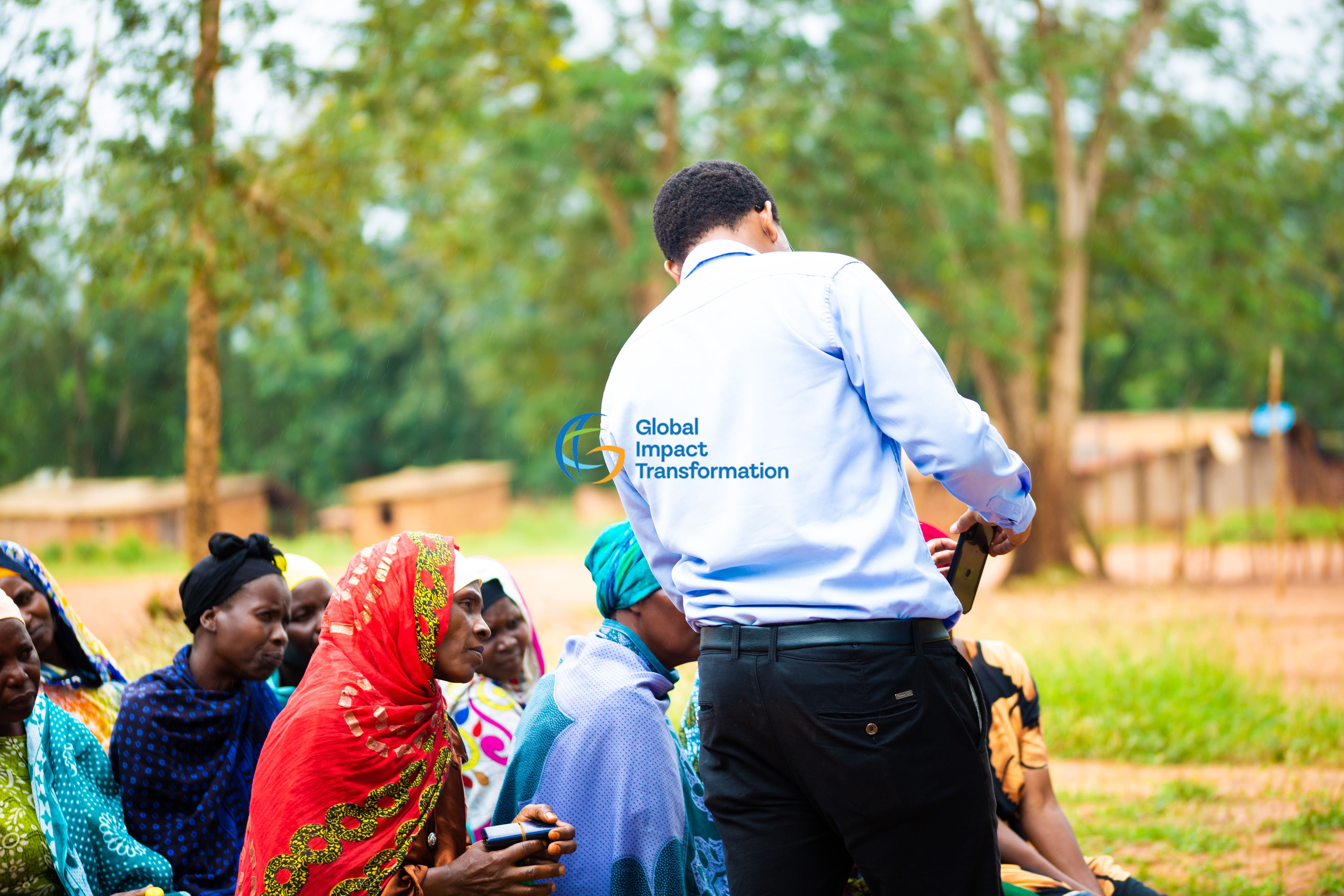
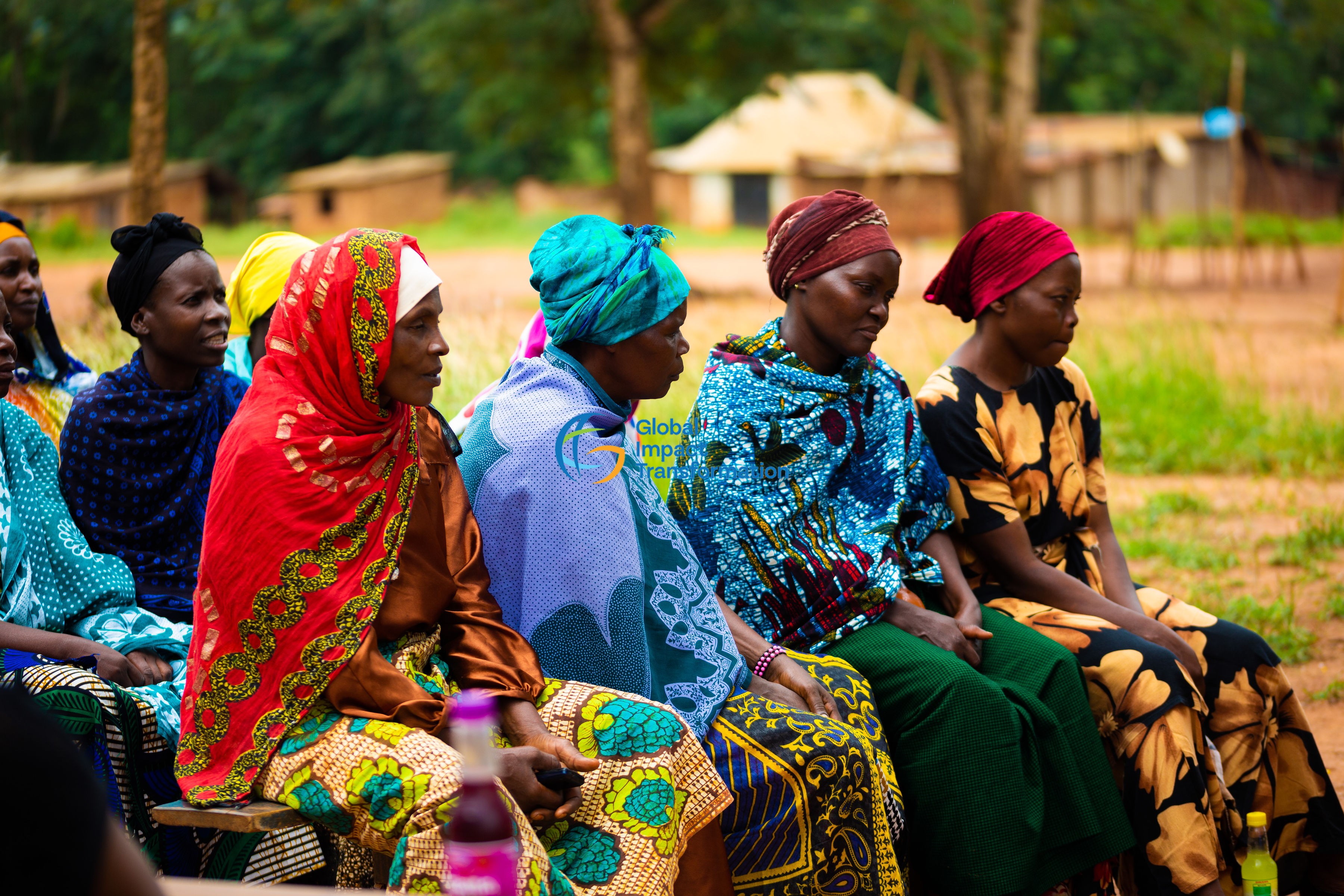
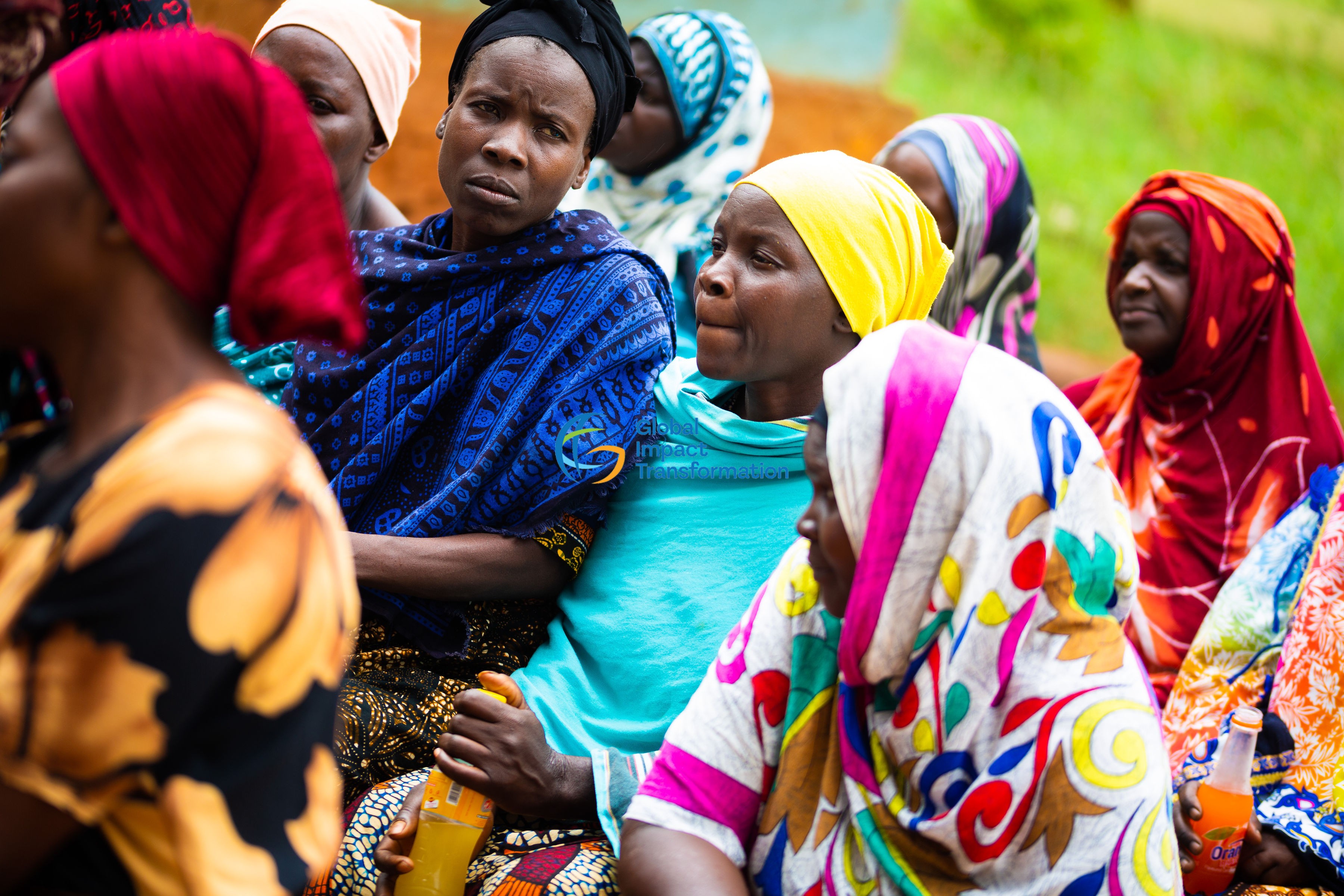
The coastal region of Tanga has become the newest hub for women-led climate innovation with the official launch of the W.E.L.L. Initiative (Women’s Empowerment for Livelihoods and Leadership) a grassroots program positioning marginalized women as leaders in the green economy.
Led by Global Impact Transformation (GIT), the expansion of W.E.L.L. into Tanga signals a bold move toward more inclusive climate responses at the local level grounded in the principle of “Leave No One Behind” and the urgent global call for gender-responsive solutions to the climate crisis. Tanga is the fourth region in Tanzania to join the W.E.L.L. network, building on success in Mtwara, Bagamoyo, and underserved areas of Tandale and Manzese in Dar es Salaam. The initiative reaches women and girls who are too often left behind in formal climate planning, green economic opportunity, and local governance.
Each W.E.L.L. hub serves as a launchpad for:
- Climate-smart livelihoods, including eco-charcoal, regenerative farming, and natural soap-making
- Leadership development, focused on civic participation, gender justice, and advocacy
- Innovation labs, where women co-create and scale solutions to local environmental challenges
- Peer organizing, forming women’s cooperatives and community action groups
Already, women in Tanga are forming eco-enterprises and cooperatives leveraging new skills to generate income, restore local ecosystems, and advocate for gender-equitable climate budgeting at the district level.
''We are not just creating livelihoods, we are building economies where women are decision makers, innovators, and owners'' Martha Nghambi, Founder and Executive Director, Global Impact Transformation
The launch of W.E.L.L. in Tanga coincides with growing global recognition that gender equality is not peripheral to climate policy, it is fundamental. UN frameworks including UNFCCC Gender Action Plan, UNEP’s Women and Natural Resources Agenda, and SDGs 5, 8, 13, and 17 all emphasize the centrality of women’s agency in shaping sustainable, inclusive futures.
The initiative also supports the localization of Nationally Determined Contributions (NDCs) by embedding women’s leadership in climate adaptation planning and ensuring that green transition processes are socially just and gender-inclusive.
Call to Action
With Tanga officially on board, W.E.L.L. continues to grow as a pan-African model for community-rooted climate justice. GIT is actively seeking partnerships to scale the initiative nationally and regionally, ensuring that women are equipped not only to adapt to climate change, but to lead Africa’s green transition.
For partnerships, collaboration, or support, contact: info@globalimpacttransformation.org