
In Tanzania’s coastal Mtwara region, climate related challenges like soil degradation, deforestation, and shifting rainfall patterns are threatening livelihoods and ecosystems. Women and girls are often the most affected, yet they are also leading the way in local climate solutions.
Grassroots Women Driving Green Innovation at the Border: The Story of Tupambane (Lets rise together) group
By our reporter
In the heart of Mtwara, near the Tanzania–Mozambique border, a remarkable transformation is taking root through W.E.L.L (Womens' Empowerment for Livelhood and Leadership) initiative, Just three months after completing a Training of Trainers (ToT) program facilitated by Global Impact Transformation (GIT), a group of bold and visionary women and girls formed the Tupambane “Let’s Rise Together” Group, a name that now symbolizes hope, innovation, and resilience in the face of climate and economic challenges.
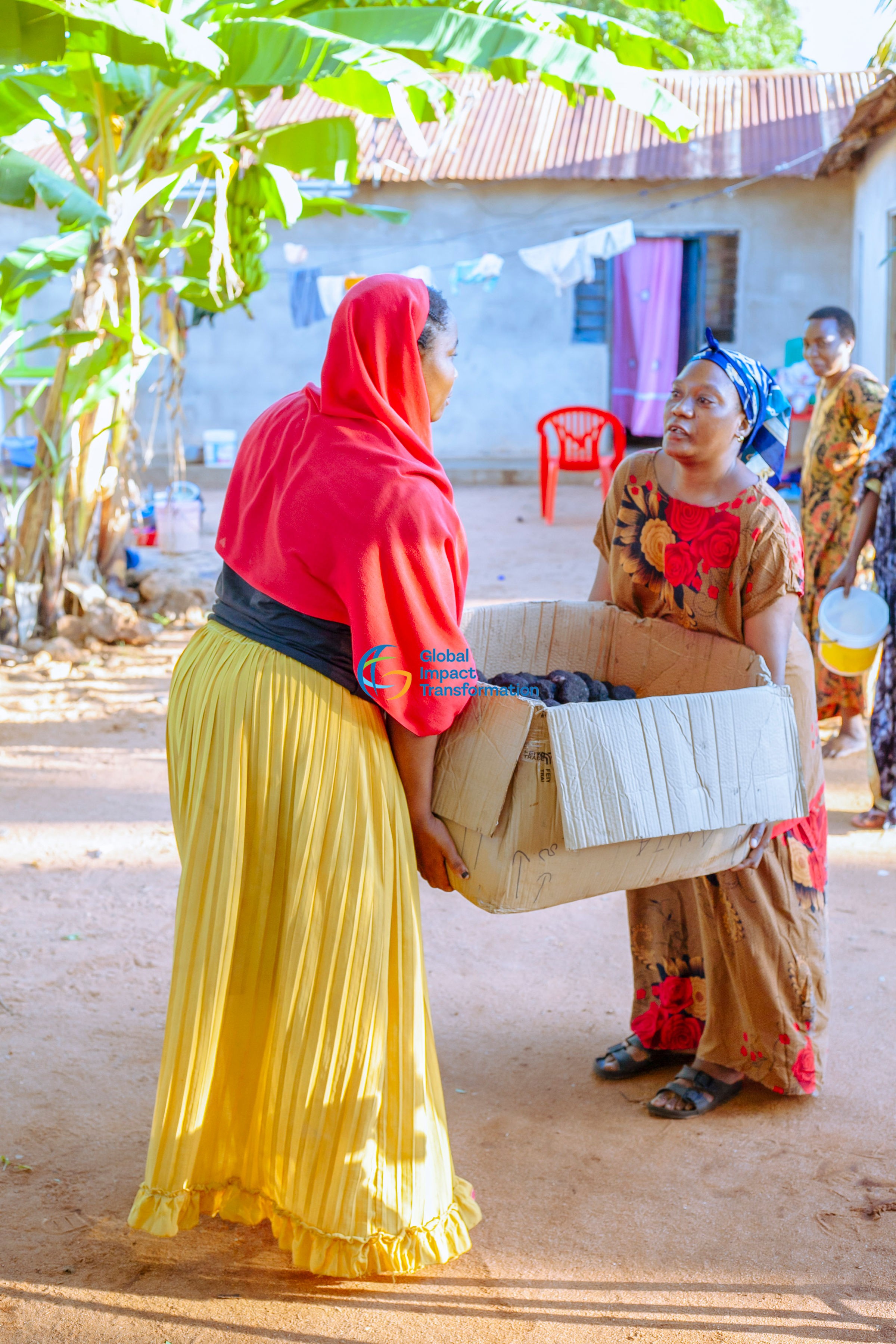
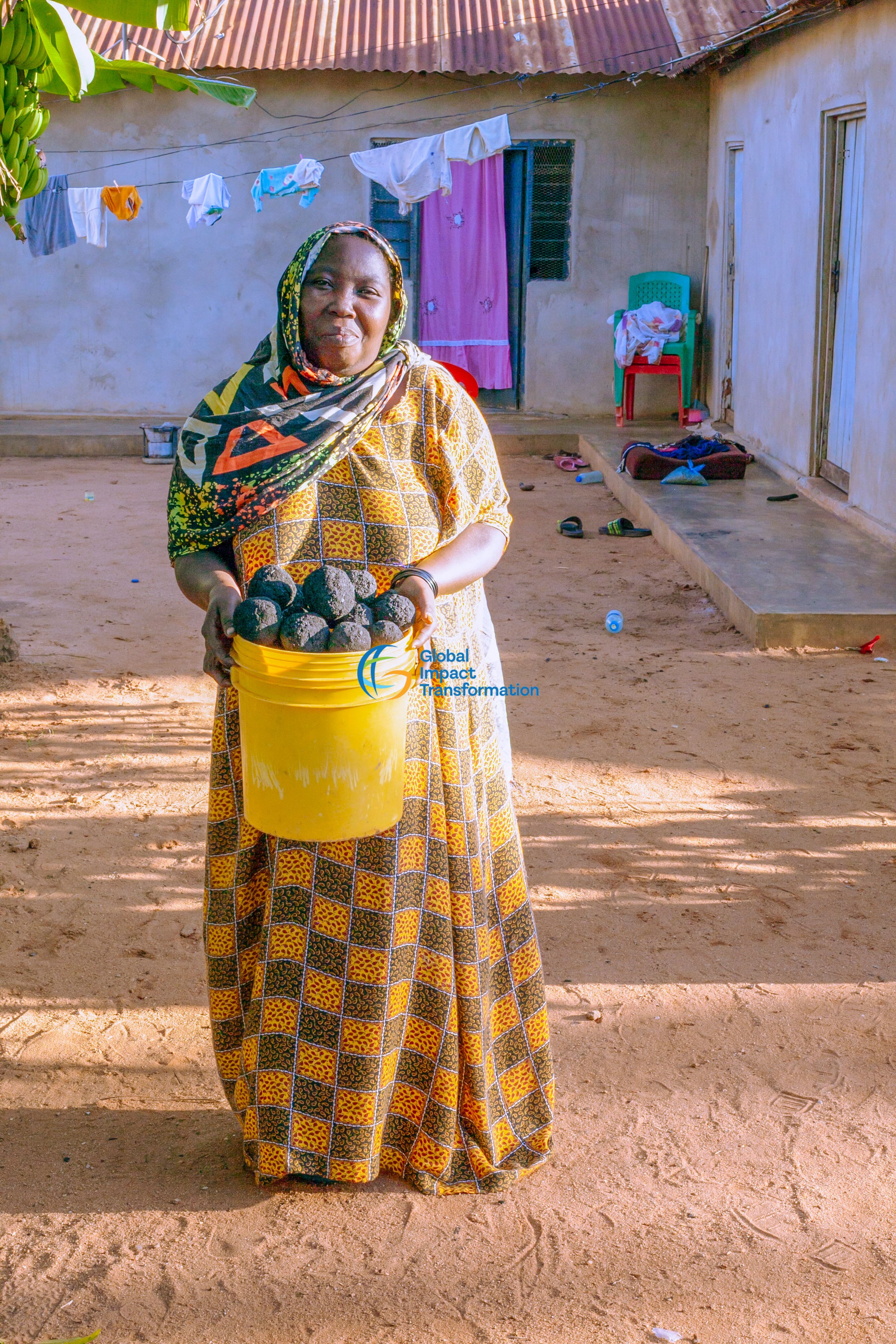
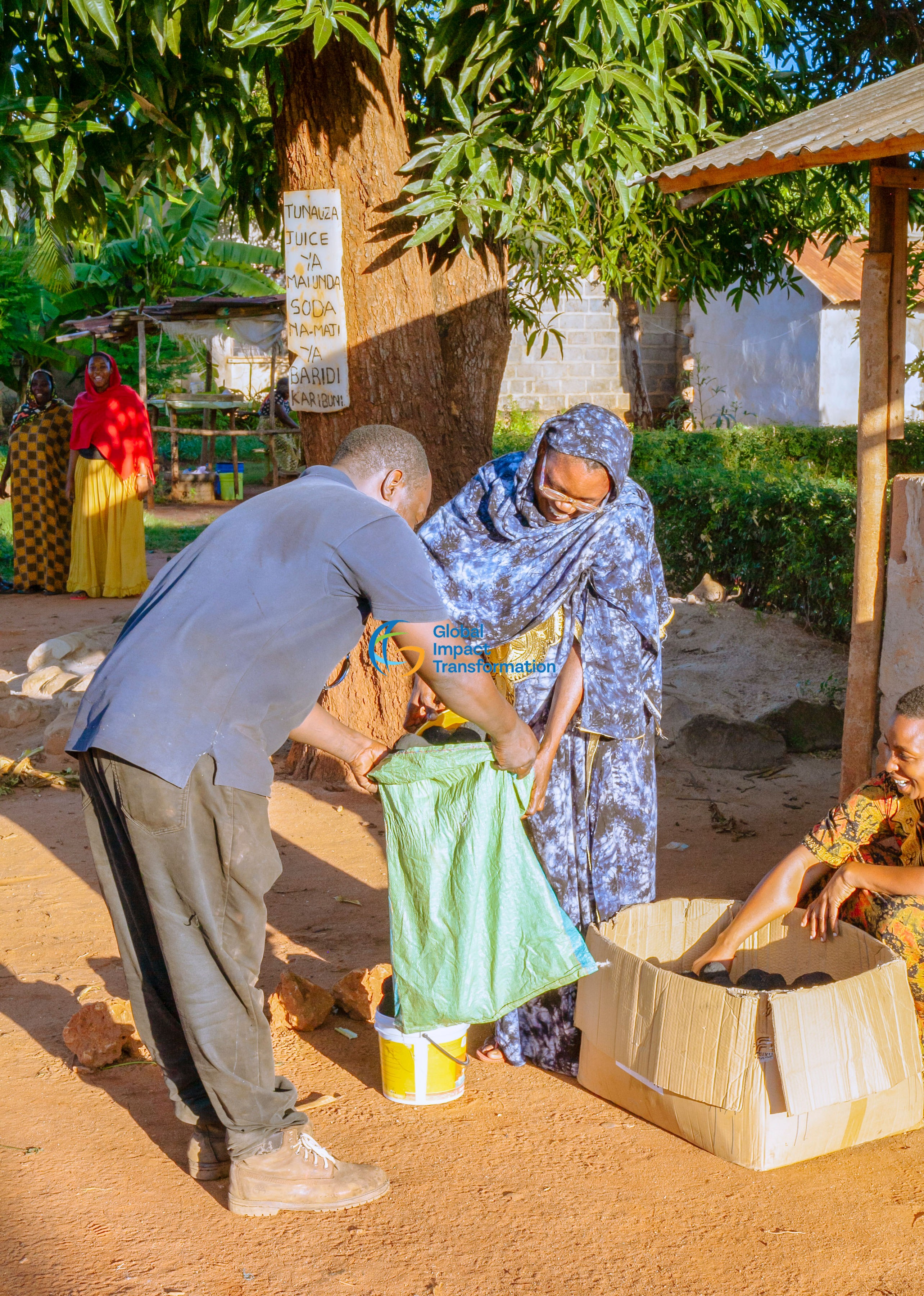
What began as a capacity-building initiative has evolved into a powerful community movement. Today, Tupambane is spearheading climate-smart enterprises, producing and selling alternative charcoal and eco-friendly products derived from agricultural waste. These sustainable solutions are not only reducing dependence on forest-based energy sources but are also creating dignified livelihoods for marginalized women and girls in one of the region’s climate-vulnerable areas.
“These women are proving that climate action doesn’t need to start from the top, it begins in communities, with women who refuse to be left behind,” said Martha Nghambi, Founder and Executive Director of GIT.
A Scalable Model of Community-Led Climate Solutions
The Tupambane story is not an isolated success. It is part of a growing grassroots movement nurtured by GIT in regions like Dar es Salaam and Bagamoyo, where similar ToT models are equipping women, youth, and persons with disabilities to lead green enterprises. These locally rooted efforts are driving inclusive climate adaptation and creating pathways for green livelihoods, especially in underserved communities.
As Tupambane continues to grow, it serves as a powerful model for replication across Tanzania and beyond, demonstrating how investments in local capacity can unlock innovation, drive environmental sustainability, and uplift entire communities.
Tupambane’s journey demonstrates that grassroots women are not just beneficiaries of aid, they are change makers, climate innovators, and business leaders. With strategic partnerships, this model can reach thousands more across Tanzania and the region.
To partner with us, please contact: info@globalimpacttransformation.org
.jpeg)