In Tanzania’s underserved regions, women are turning climate challenges into opportunity. Through hands on training and grassroots leadership, they are leading the shift to clean energy while uplifting their communities.
Clean Energy, Clear Impact: Community Resilience Through Women’s Innovation
By our reporter
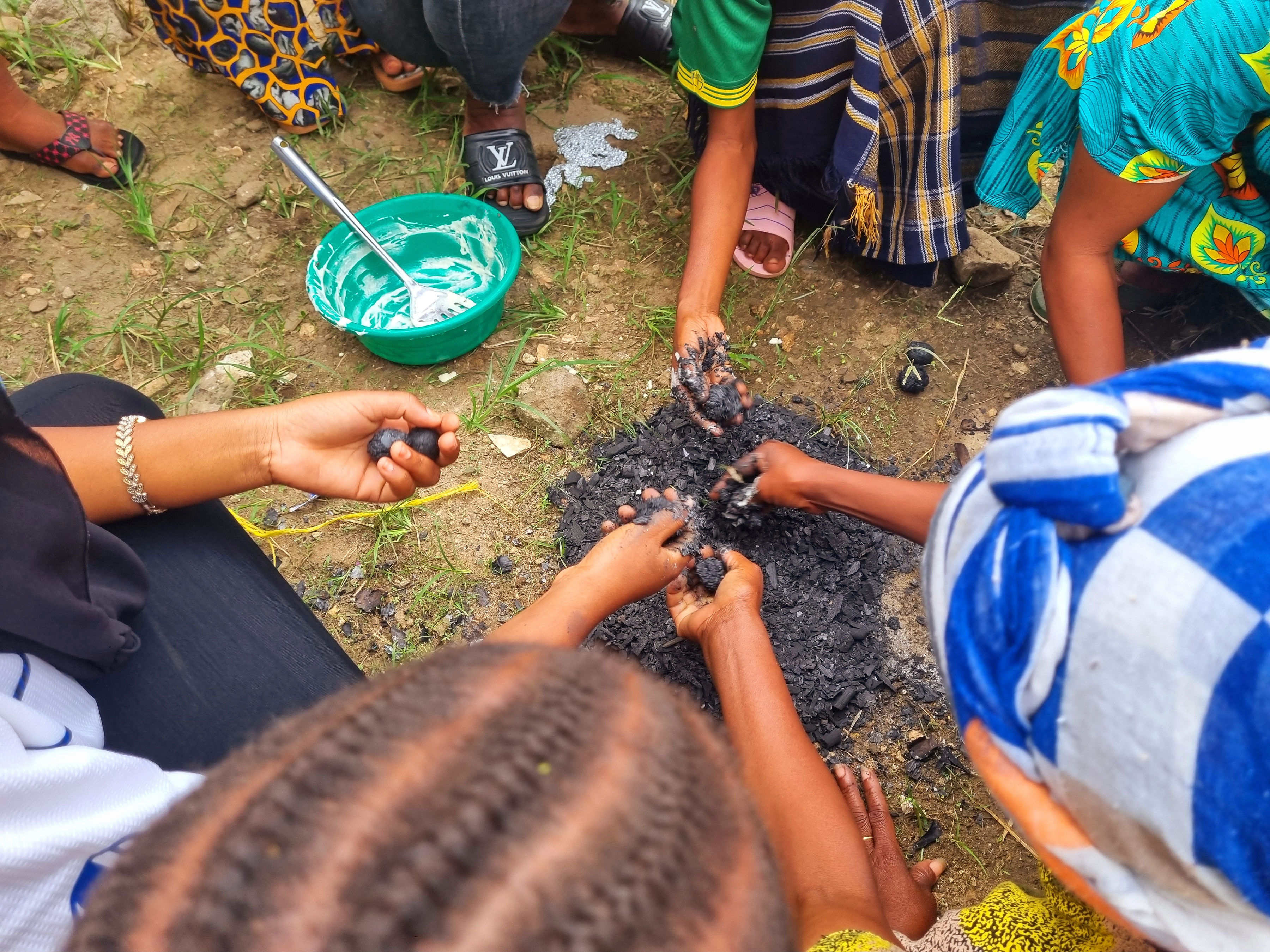
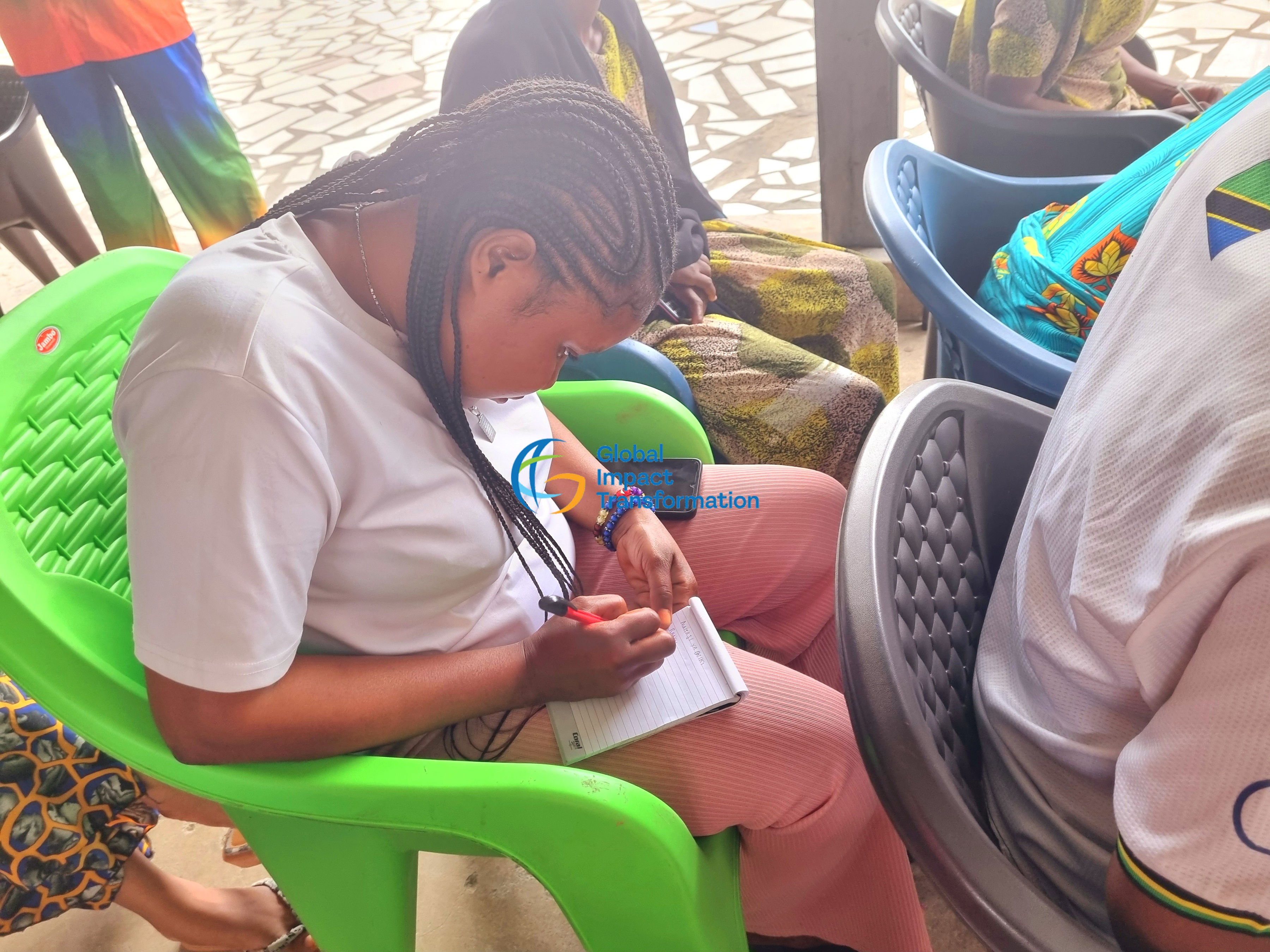
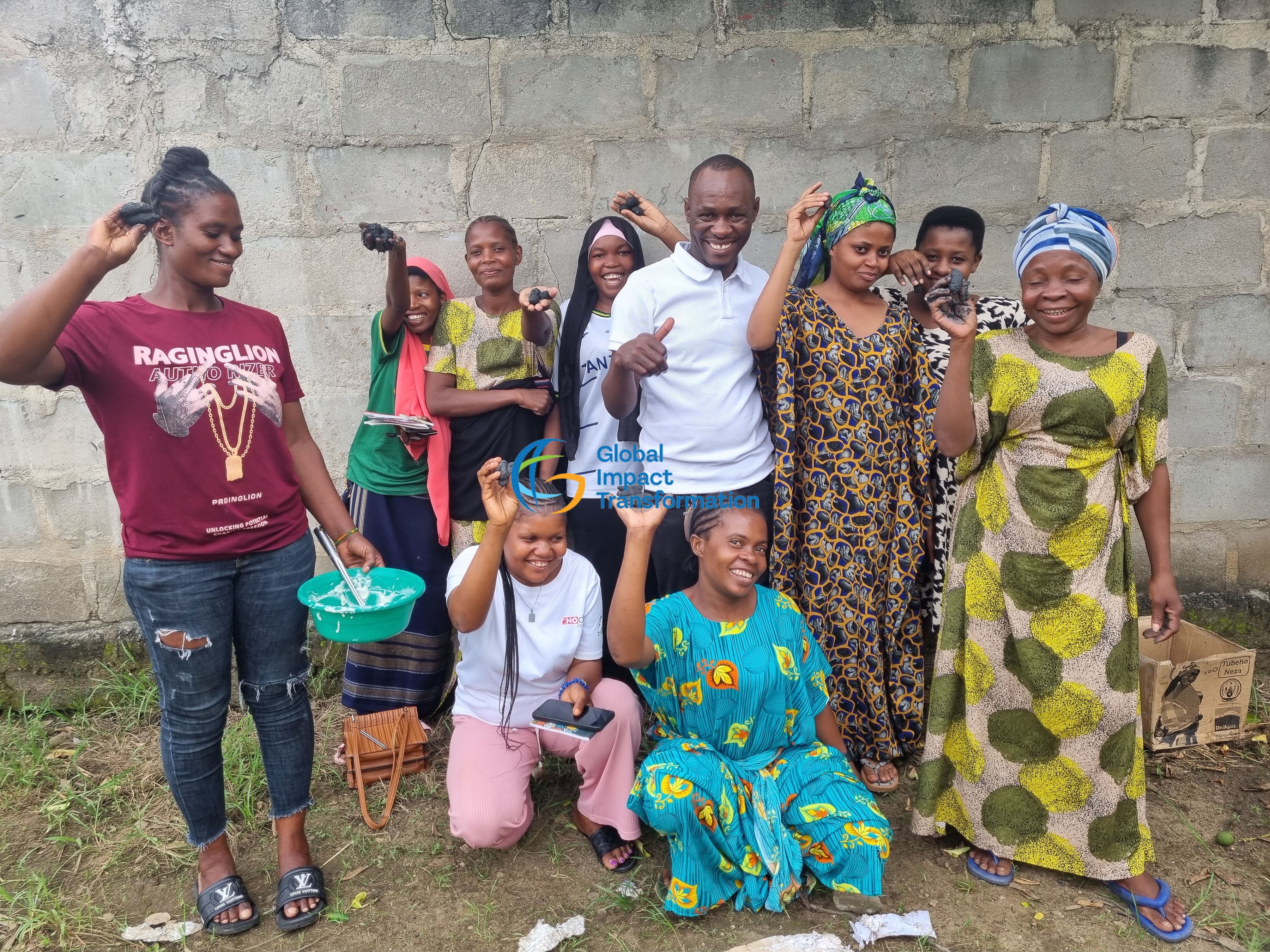
In May 2025, Global Impact Transformation (GIT) launched a groundbreaking Training of Trainers (TOT) through W.E.L.L (Womens' Empowerment for Livelhood and Leadership) initiative in Bagamoyo, Tanzania, aimed at accelerating clean energy adoption, gender equity, and economic resilience in underserved communities, brought together 10 grassroots women and girls to learn and lead in climate smart charcoal production using agricultural waste, an alternative that reduces deforestation, eases household energy burdens, and opens new pathways for green entrepreneurship.
This program didn’t just teach me a new skill, it gave me confidence, i am now ready to share this knowledge with other women in my neighborhood", Aisha Hamis, a mother of two and a TOT trainee in Bagamoyo.
Since January 2025, GIT has trained 286 women and girls in TOT programs across Dar es Salaam and Mtwara (on the border of Tanzania and Mozambique), equipping them with the skills to produce alternative charcoal and lead change in their communities. Many have already begun to replicate this knowledge, reaching at least 67 additional women and girls through peer-led sessions, demonstrating the rapid scalability and grassroots momentum of the model.
Each participant is now equipped to train at least 10 more women and girls, ensuring the replication and sustainability of clean energy knowledge at the community level. Through this multiplier effect, the TOT model becomes a locally driven engine for scalable impact, empowering women not just as beneficiaries, but as community educators, innovators, and enterprise builders. What makes this model unique is its holistic, peer-led design: combining technical skills with leadership, entrepreneurship, and a strong cultural grounding. The program’s structure ensures that solutions are not only taught but sustained, owned, and adapted by the communities themselves.
Why It Matters: Bridging Energy Poverty and Gender Gaps
According to Tanzania’s National Clean Cooking Strategy (2024–2034), over 89% of households in mainland Tanzania continue to rely on traditional biomass fuels, mainly firewood and charcoal for daily cooking. In rural areas, this dependence rises even higher, with more than 82% of households using firewood as their primary energy source. Access to modern alternatives remains limited, with only 5.1% of rural households using LPG and fewer than 3% relying on electricity. These figures highlight the urgent need for scalable, community-driven solutions that reduce environmental strain and relieve the economic burdens disproportionately placed on women and girls (Government of Tanzania, 2024).
GIT’s program addresses these intersecting challenges through a holistic, gender-responsive approach that integrates:
- Clean energy solutions rooted in local materials
- Business training and financial literacy for sustainable income generation
- Environmental awareness and leadership development
- Digital tools for monitoring, learning, and impact measurement
This initiative supports Tanzania’s National Gender Policy and Women and Gender Development Policy, while contributing directly to the Sustainable Development Goals (SDGs). It also aligns with the African Union Agenda 2063 and global priorities for locally led climate action.
Looking Ahead: Scaling What Works
With nine additional TOT cohorts planned across Tanzania, GIT is on track to reach at least 1,000 women and girls by December 2025. By investing in grassroots leadership, this model offers a cost-effective, replicables pathway for building inclusive green economies from the ground up.
Together, we can scale a proven, women-led model that delivers clean energy solutions, closes gender gaps, and transforms lives in underserved communities. To explore partnerships, sponsorship, or strategic collaboration, reach out to us at info@globalimpacttransformation.org.