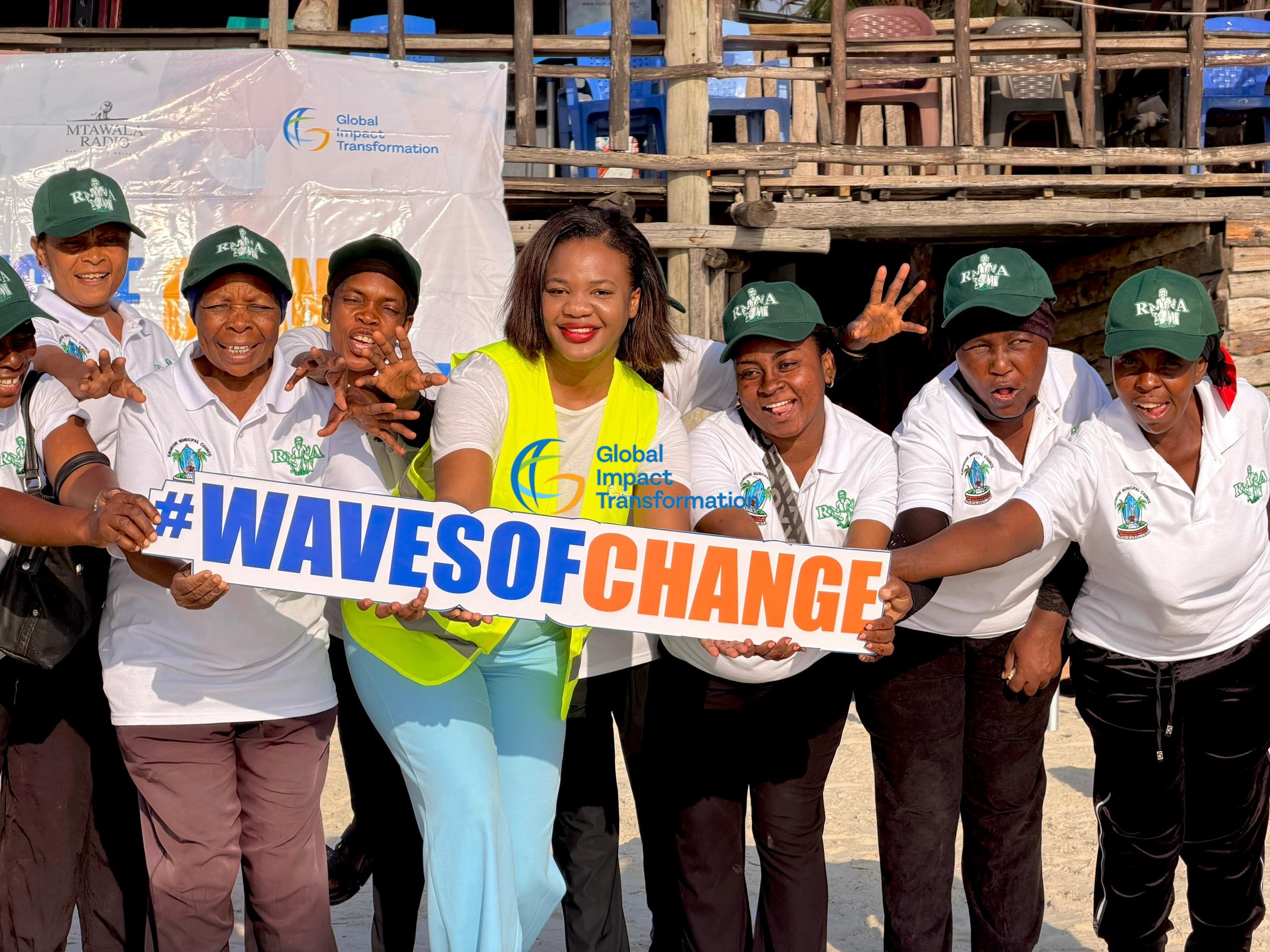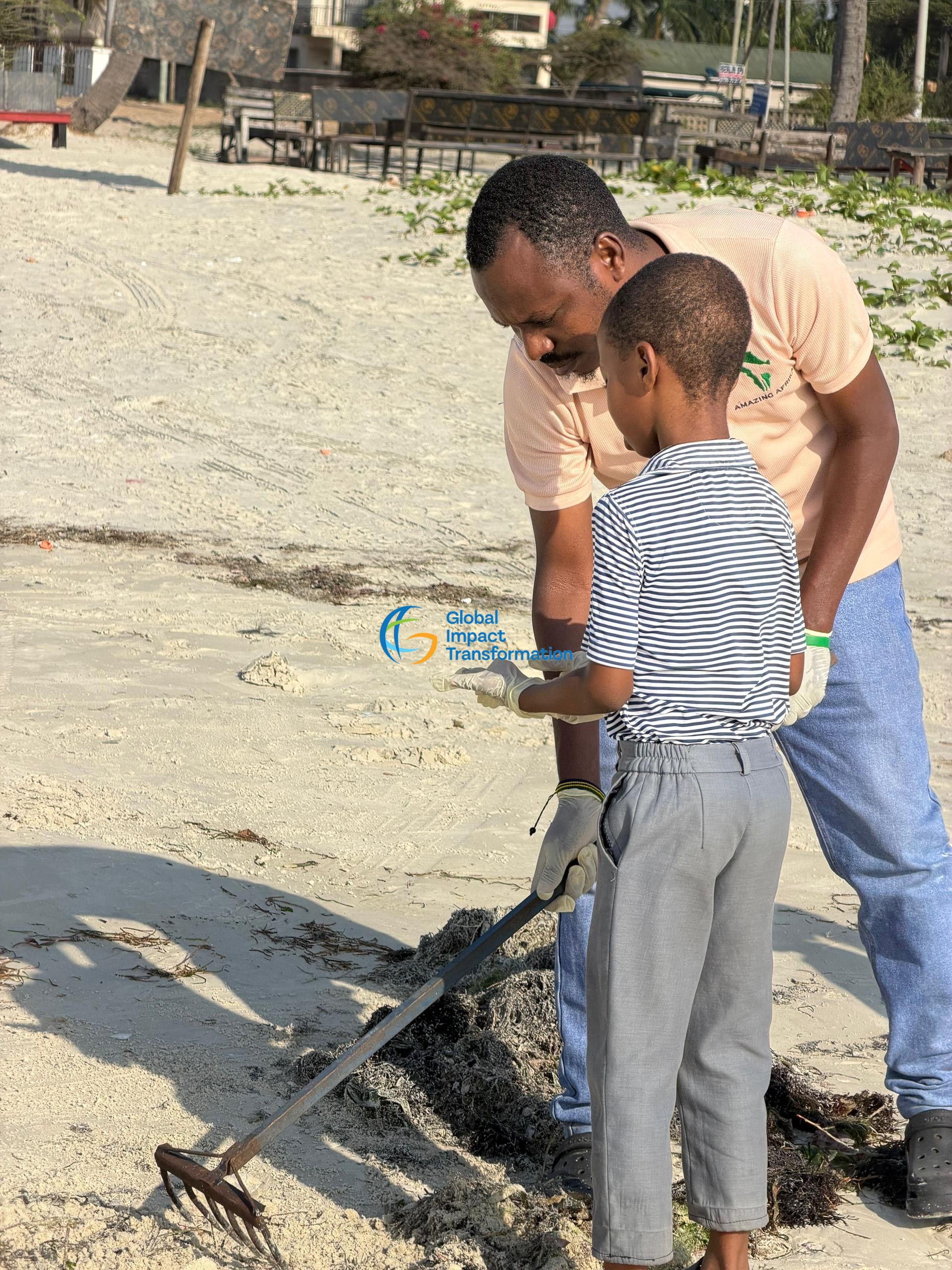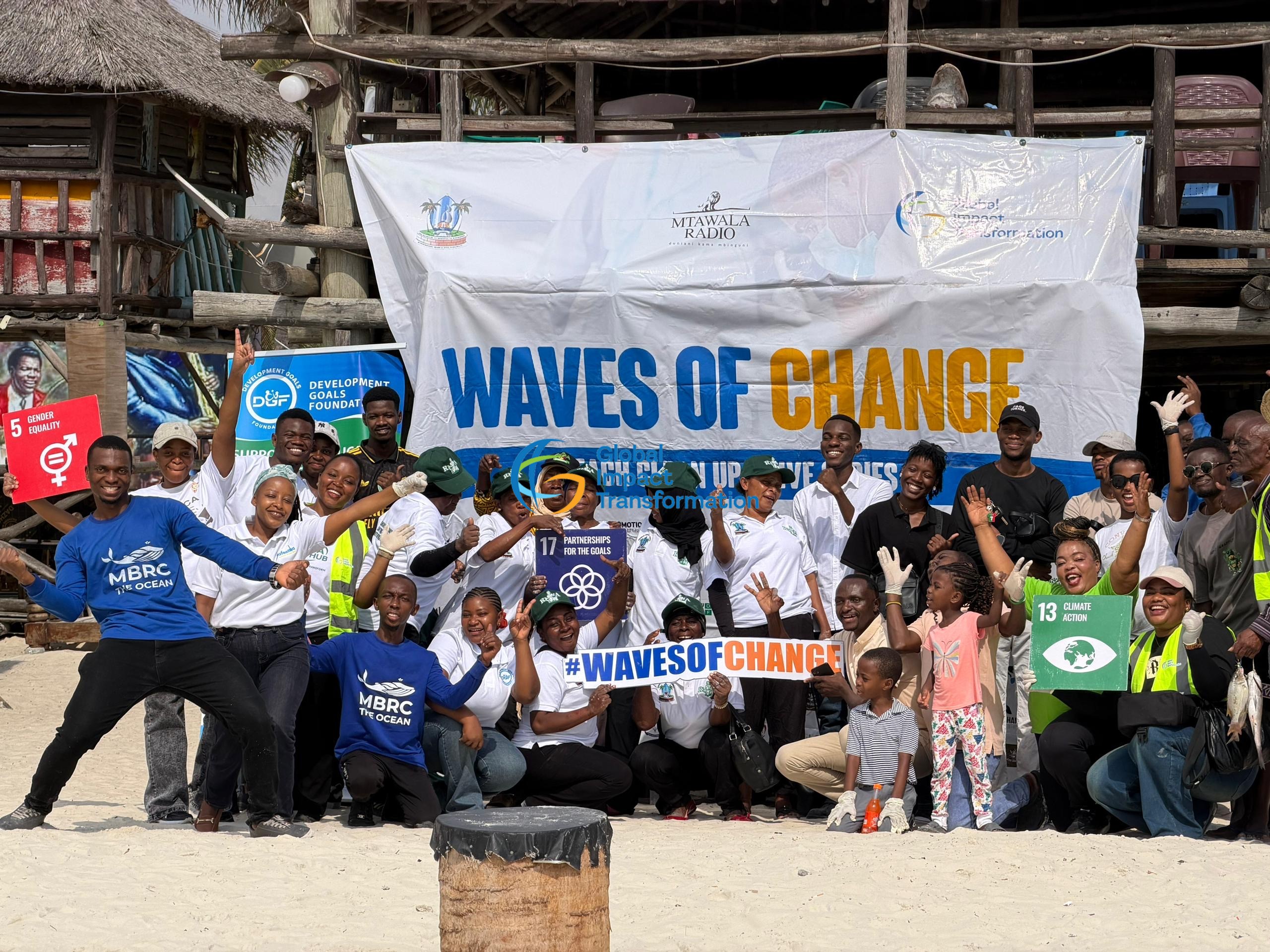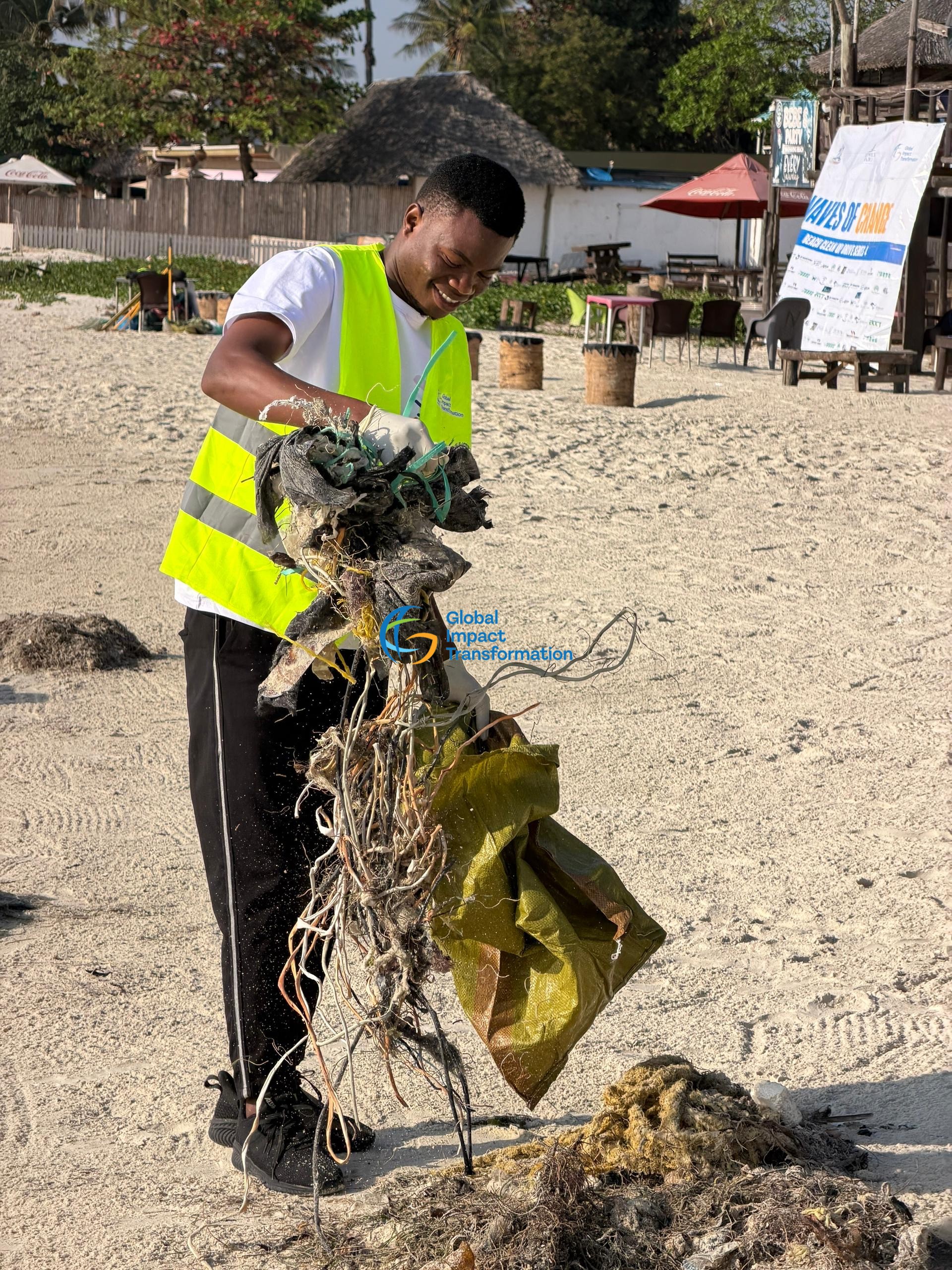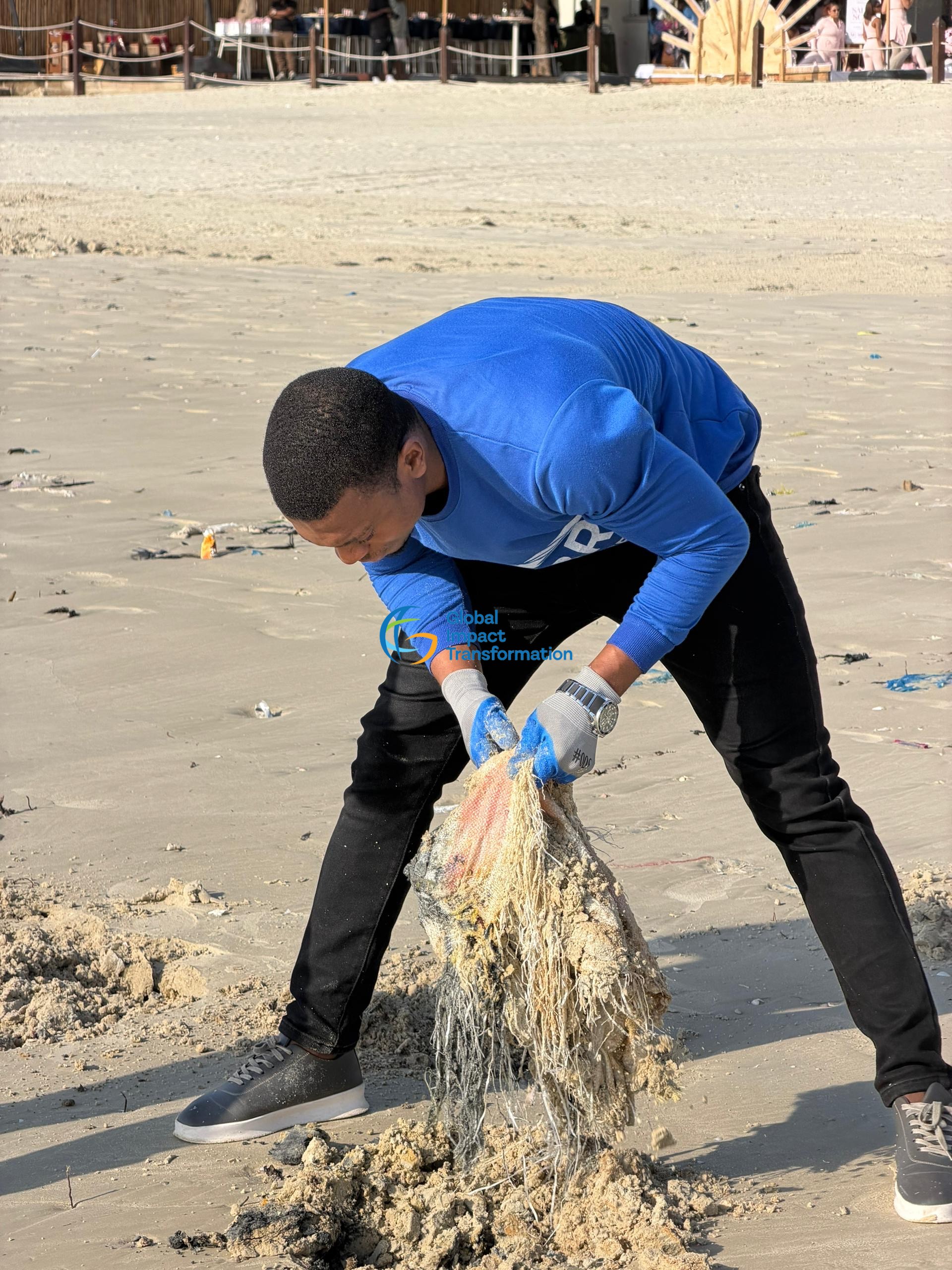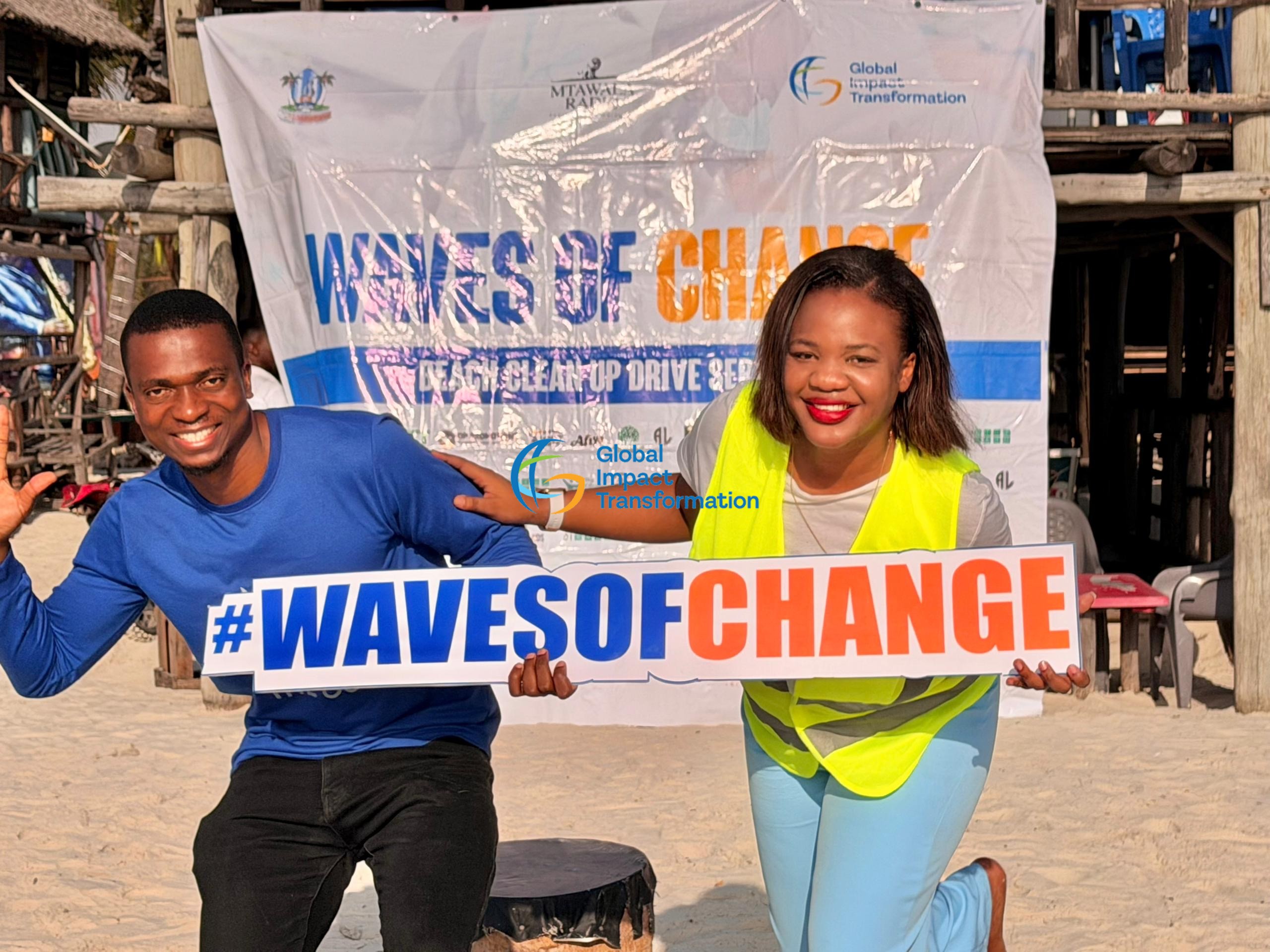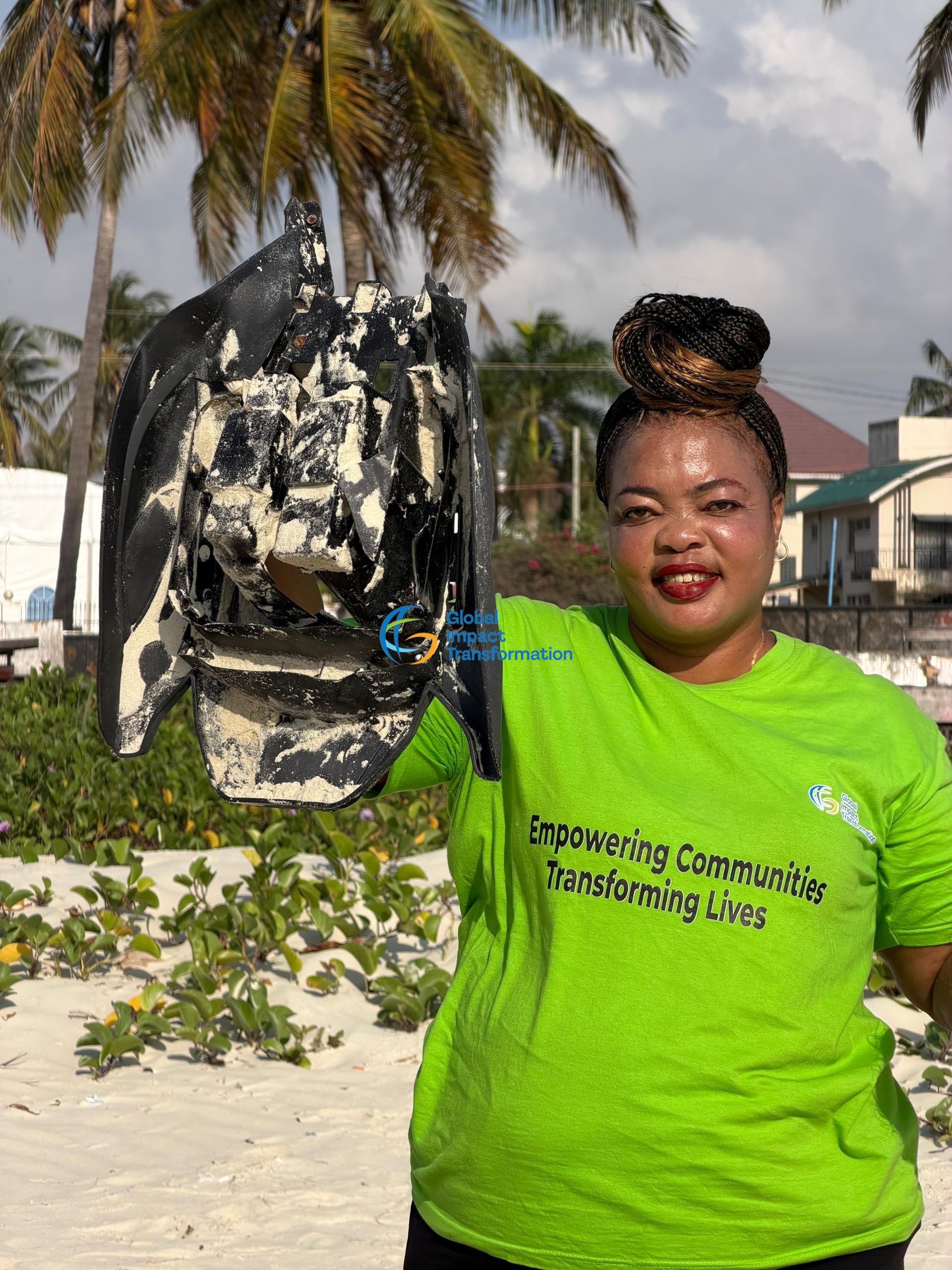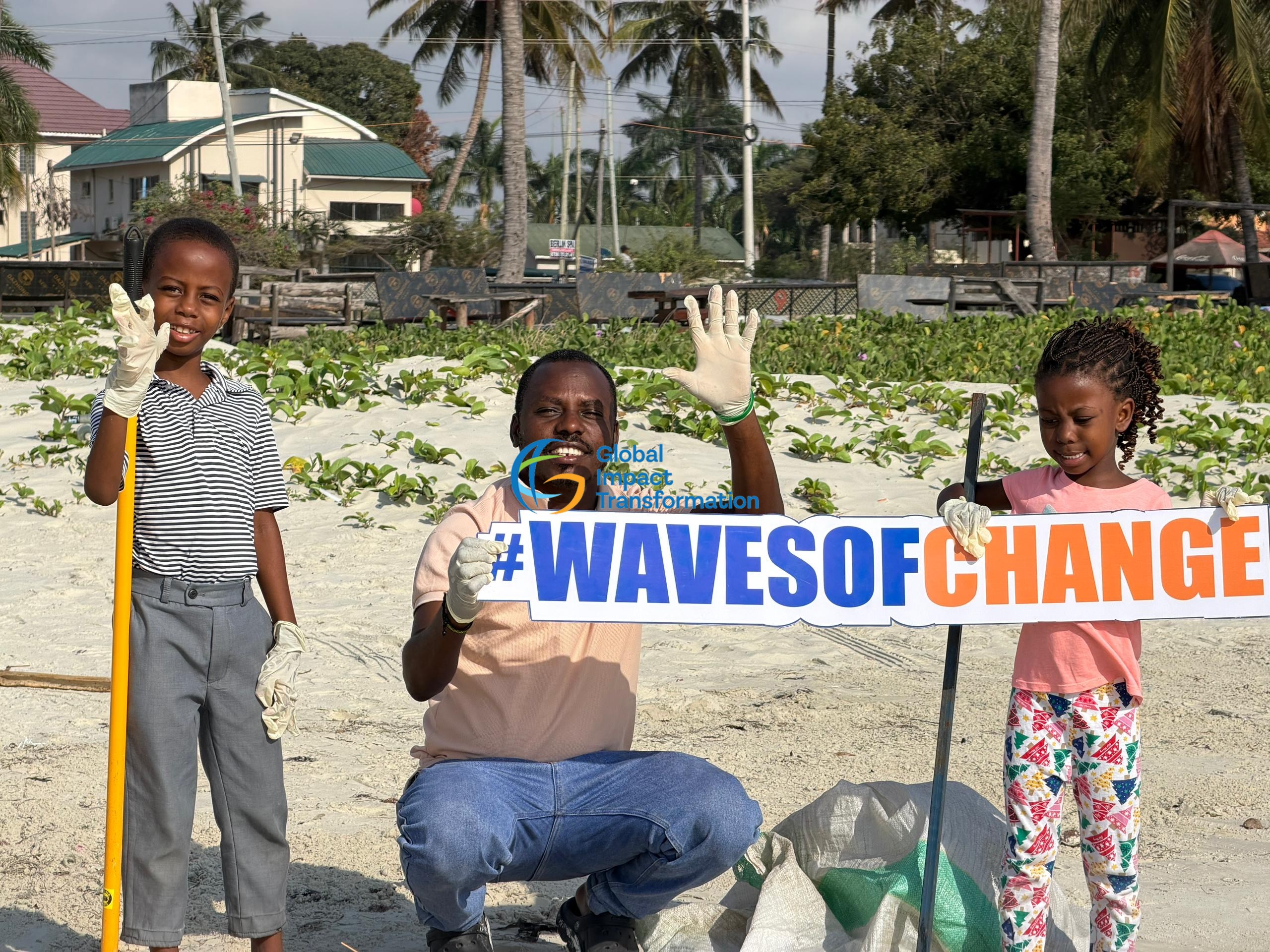
A cleaner coastline cannot be achieved through cleanups alone. Lasting progress requires communities to be part of understanding environmental challenges, shaping solutions and taking responsibility for shared spaces. This is where environmental action becomes civic engagement turning participation into ownership and collective responsibility. At Mbezi Beach, community members and young people were not simply participants in a cleanup. They took an active role in protecting a shared public space, generating local evidence and contributing to locally led responses to pollution. For GIT, this connection between environmental stewardship and civic participation is important. It strengthens environmental citizenship by creating opportunities for people, particularly young people, to participate meaningfully in addressing challenges affecting their communities. Healthy coastlines are essential to thriving communities, biodiversity and sustainable livelihoods, yet growing pressure from waste and pollution continues to threaten these shared ecosystems. Addressing this challenge requires more than environmental interventions it calls for collective responsibility, local ownership and sustained action. For Global Impact Transformation (GIT), protecting the environment begins by putting communities at the centre and creating opportunities for people to become active participants in building cleaner, healthier and more resilient communities. Plastic pollution is not only what we see scattered across a beach. It reflects a wider challenge of how waste is consumed, managed and disposed of and how communities, institutions and individuals can work together to prevent it from reaching our coastlines.
From cleanup to community-led environmental action
By Communication team
Recently, Global Impact Transformation (GIT) brought together partners, local leadership, young people, volunteers and community members for a community-led cleanup and waste audit at Mbezi Beach (Maga Beach), Dar es Salaam.
But this was more than a cleanup. Alongside removing waste from the shoreline, the exercise introduced a stronger evidence and learning dimension: collecting, sorting and documenting waste to better understand what is reaching the coastline and what those findings can tell us about pollution patterns and future action.
A total of 20 bags of mixed waste, 689 kilograms, were removed from the shoreline and subjected to sorting and waste characterization. The approach reflects a growing shift in environmental action from simply responding to pollution towards understanding it, generating local evidence and using that knowledge to inform solutions.
The waste audit revealed a diverse mix of materials reaching the shoreline.Among the identifiable items recorded were 43 plastic bags, 22 woven bags and 28 diapers, alongside clothing, bottles, food packaging and other household and personal-use materials. Plastic and woven bags represented the largest identifiable share recorded during the sorting exercise.These findings tell a story that extends beyond the beach itself.The presence of diapers, textiles and other household materials points to the connection between everyday waste practices and the health of coastal environments.
This is particularly important as Tanzania and the wider global community intensify efforts to address plastic pollution, marine litter and the transition towards more circular approaches to waste management. Recent environmental action in Tanzania has similarly linked beach cleanups with reducing plastic pollution, protecting marine ecosystems and promoting circular-economy approaches.
For GIT, the lesson is clear: what we collect can become data, and that data can help shape what we do next.
Strong community action also requires local leadership.Reflecting on the exercise, Asha George, Chairperson of Mbezi Chini, thanked GIT for bringing the initiative to the community and expressed appreciation to the participants, volunteers and Mbezi residents who turned up and contributed to its success.
“We appreciate Global Impact Transformation for bringing this initiative to our community, and I thank all participants and members of the Mbezi community who came out and took part. Keeping our environment clean is a shared responsibility, and we encourage our community to continue taking action to protect it.”
Asha George, Chairperson, Mbezi Chini Mtaa
Her message reflects an important principle behind GIT's approach: locally led action becomes stronger when communities have ownership of both the challenge and the solution.
It also brings an environmental-justice perspective into focus. Communities living alongside polluted environments should have meaningful opportunities to participate in identifying priorities and shaping the solutions that affect their surroundings.
From Waste to Circular Solutions
Removing an estimated 700 kilograms of waste delivered an immediate and visible result. But the greater opportunity lies in what happens after the cleanup.The waste audit points towards the need for continued monitoring, stronger awareness around responsible disposal, engagement with waste-management actors and improved connections to recycling channels for recoverable materials.
This is where the circular economy becomes relevant.Instead of following a linear pattern of use → discard → pollute, circular approaches seek to reduce unnecessary waste and keep recoverable materials in use through reuse, recovery and recycling. International environmental action increasingly connects tackling plastic pollution with this broader transition towards circularity.
For GIT, future cleanups can therefore become increasingly data-informed and solution-oriented:
Collect → Sort → Measure → Learn → Prevent → Recover → Act
Repeated waste audits can help identify patterns over time, while partnerships with communities, local authorities, recyclers, innovators and other actors can help translate evidence into practical responses.
The ambition is not simply to keep returning to collect the same waste. It is to learn why it is there, strengthen prevention and contribute to solutions that reduce what reaches the coastline in the first place.
GIT extends its sincere appreciation to all partners, Mbezi Chini local leadership, community members, young people, volunteers and participants whose commitment, time and energy made the initiative possible.Partnership matters because coastal pollution cannot be addressed by one organisation or one community acting alone.
Together, these contributions can turn a single environmental activity into a platform for learning, civic participation and collective action.
The Next Season Is Coming
The Mbezi Beach cleanup is one step in GIT's continuing journey to advance locally led environmental and climate action, pollution prevention, circularity and community resilience. Future editions will continue building on the lessons emerging from the ground strengthening the connection between community action, waste data, environmental awareness, innovation and partnerships.
And we want the next season to bring even more people into the movement. GIT invites young people, communities, volunteers, environmental innovators, civil society, private-sector actors, institutions and partners to join us as we continue taking action for cleaner, healthier and more resilient communities.
Whether through volunteering, partnership, innovation, recycling solutions, knowledge or resources, there is a role for everyone.
Interested in partnering with us to expand and scale this initiative? Connect with GIT at info@globalimpacttransformation.org to explore opportunities for collaboration, innovation and collective action toward cleaner, healthier and more resilient communities.
Stay tuned for the next season of the GIT Beach Cleanup.
The coastline belongs to all of us and protecting it begins with what each of us chooses to do.