Artificial Intelligence is rapidly reshaping how people learn, work, communicate, solve problems, and build businesses. For young people, this transformation presents enormous opportunities but access to technology alone is not enough. They need the skills, confidence, exposure, and critical understanding to navigate emerging technologies safely, responsibly, and creatively, and ultimately use them to unlock opportunities for their own futures. For Tanzania’s young generation, early exposure to AI and digital innovation can help bridge the gap between traditional learning and the rapidly changing world of work. It can broaden career aspirations, stimulate creativity and problem-solving, and encourage young people to see themselves not simply as consumers of technology, but as future innovators, entrepreneurs, developers, and creators of solutions to challenges within their communities and beyond. It is within this context that Global Impact Transformation (GIT) established the Vijana Impact Hub, an ongoing youth empowerment initiative designed to identify, nurture, and connect young talent with practical learning opportunities in Artificial Intelligence, digital technologies, innovation, entrepreneurship, leadership, and future-ready skills. The program creates a bridge between classroom learning and real-world opportunities, enabling young people to explore emerging fields, discover their potential, and begin developing competencies relevant to an increasingly digital economy
From Classroom to AI: Building Tanzania’s Next Generation of Digital Innovators
By Commun ication team
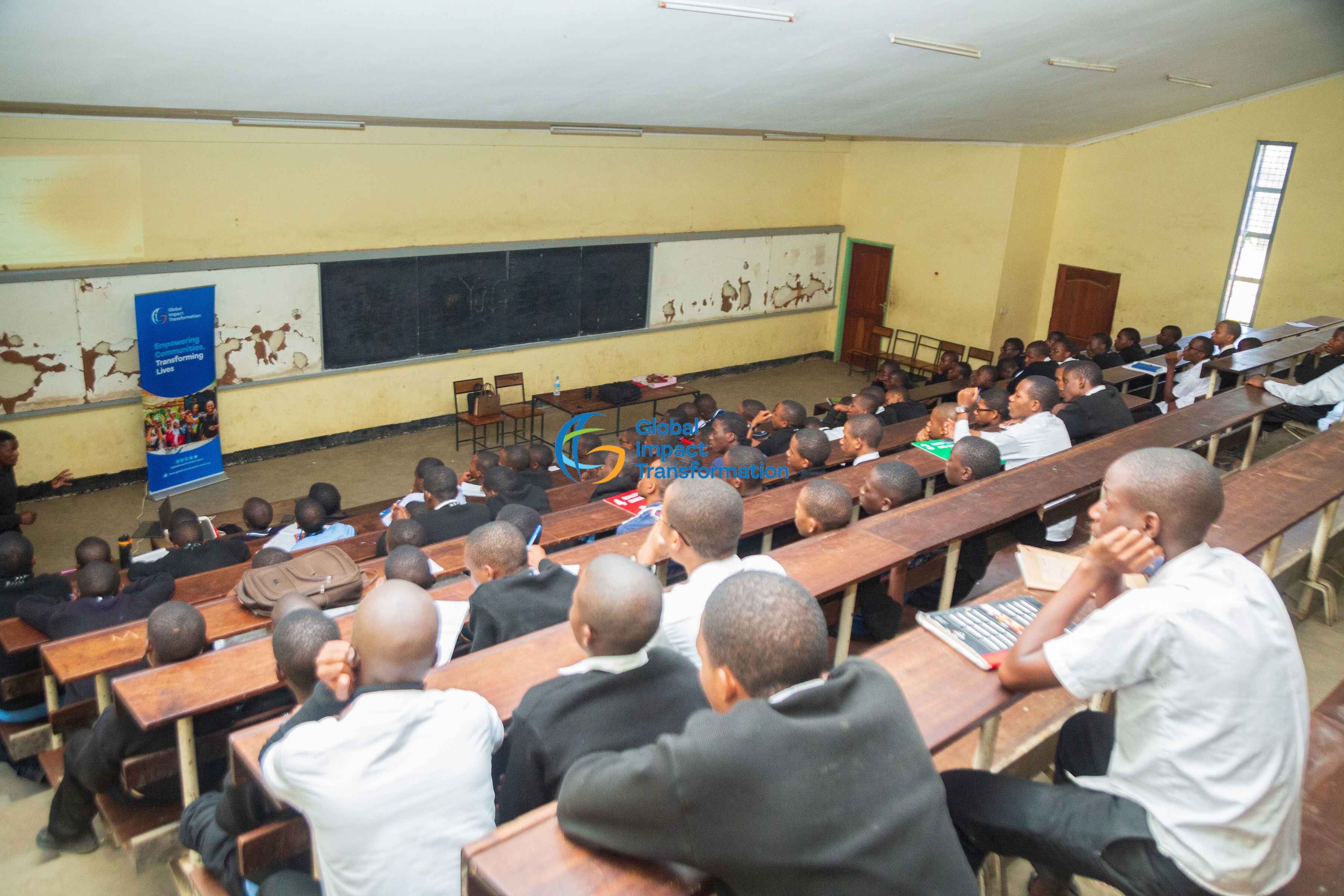
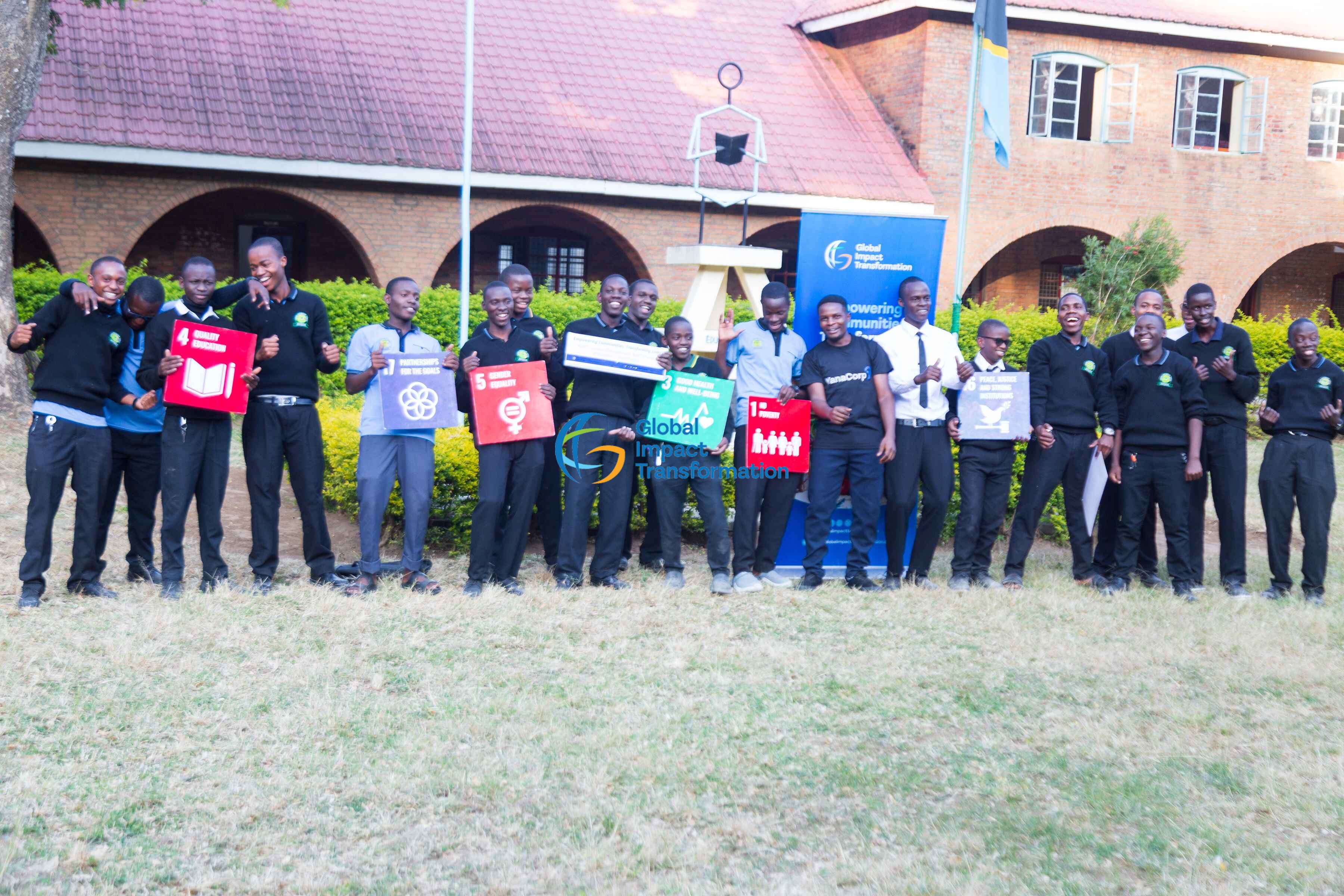
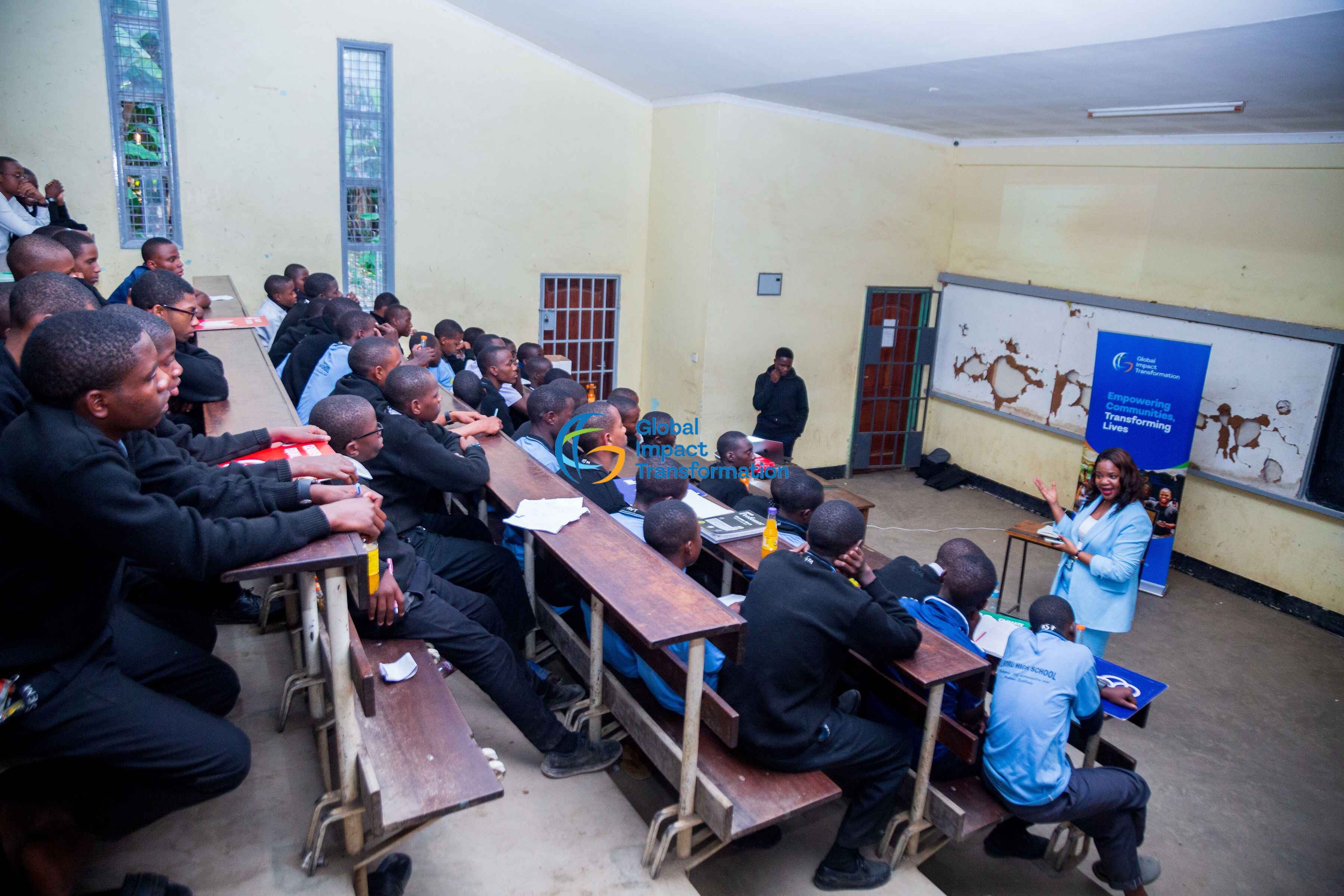
On 24 July 2026, GIT, in collaboration with its technical partner YanaCorp, delivered an interactive Artificial Intelligence (AI) and Cybersecurity Awareness Session at Ilboru Secondary School in Arusha. The session brought together 87 students aged 13–17, introducing them to AI, its practical applications, cybersecurity, online privacy, digital safety and the responsible use of emerging technologies. Rather than presenting technology simply as a classroom subject, the session challenged students to think about how technology can become a tool for learning, innovation, problem-solving and future careers.
Turning Digital Awareness into Practical Knowledge
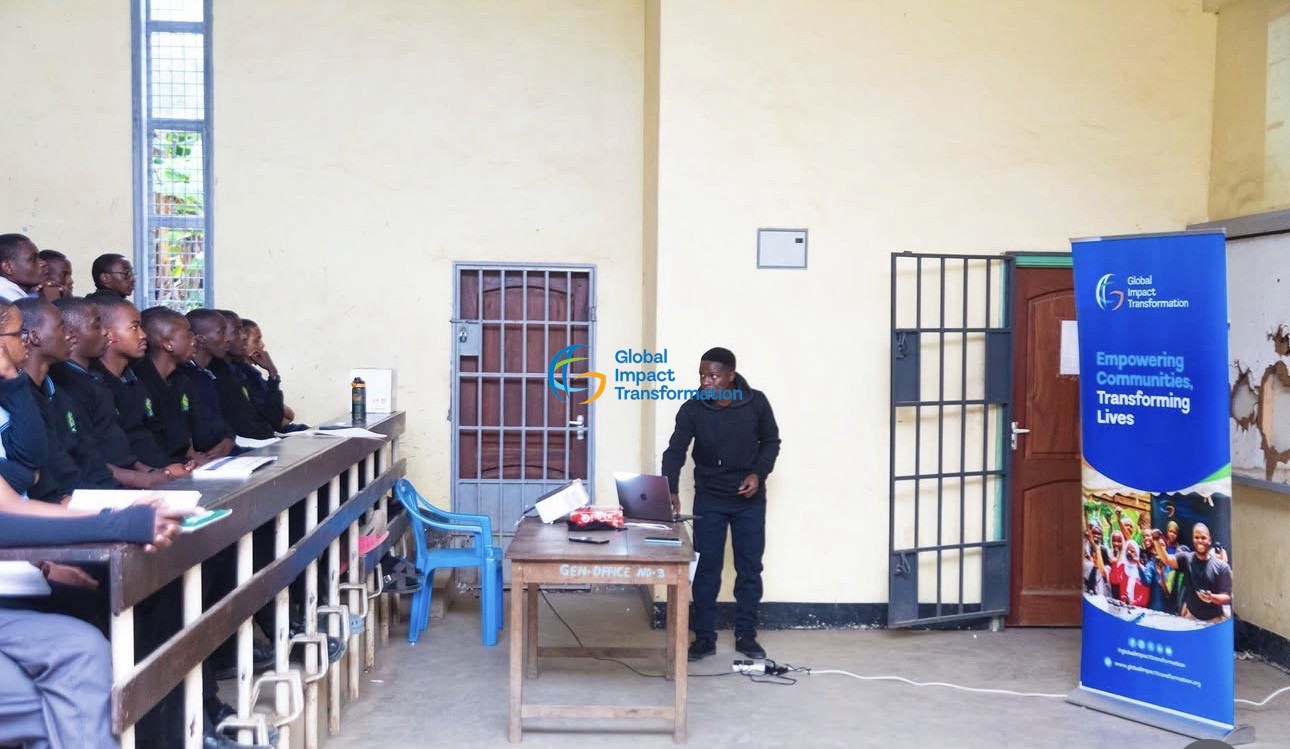
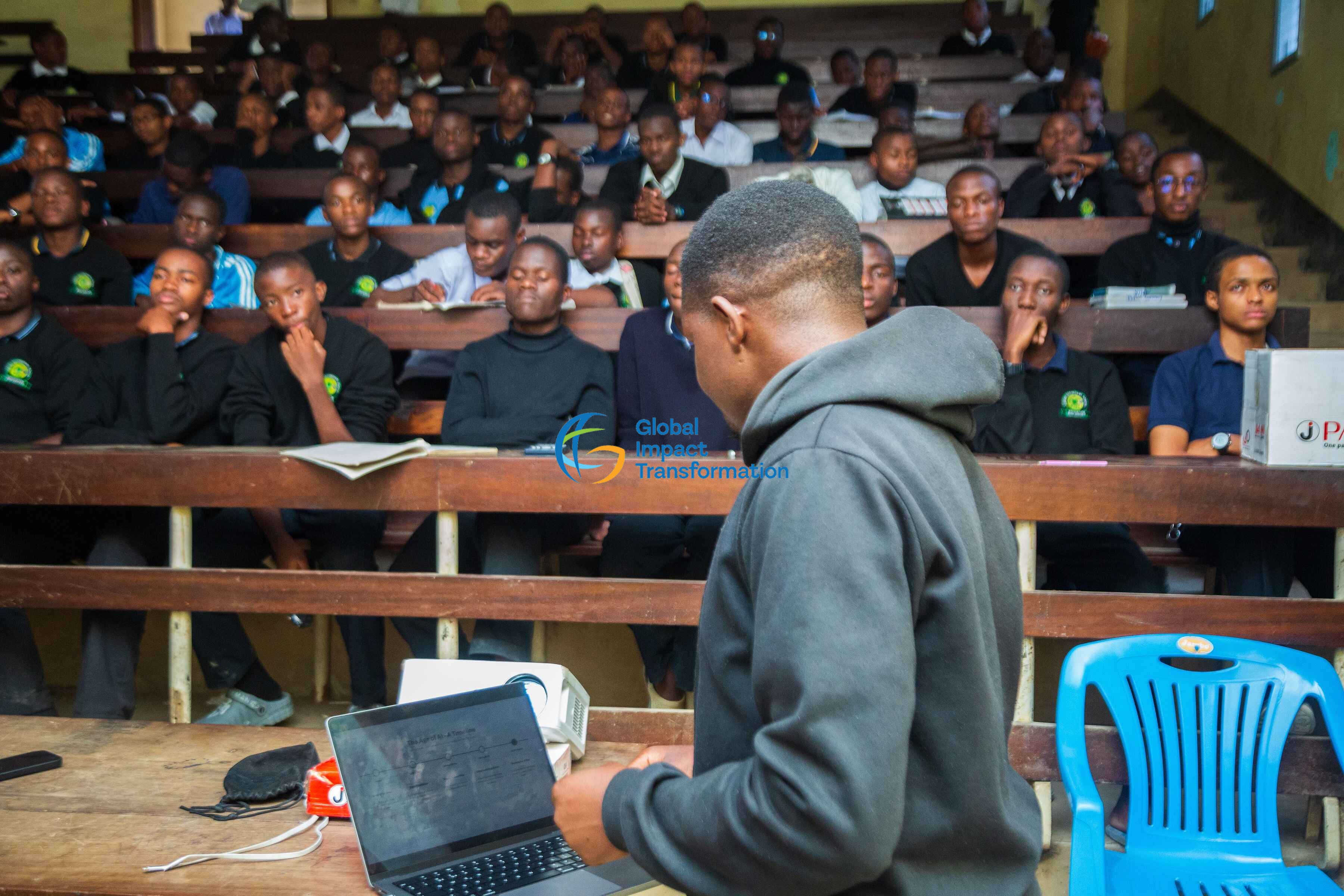
The training was facilitated by Eng. Fabrino, a technology expert from YanaCorp, GIT's technical partner specializing in digital innovation, Artificial Intelligence, cybersecurity and emerging technologies. Students explored how AI is already being applied across sectors, the career opportunities emerging around new technologies, and the importance of using AI ethically and responsibly. Cybersecurity was equally important. Participants learned practical ways to protect personal information, create stronger passwords, recognize online scams and cyber threats, and navigate digital platforms more safely.The session quickly became highly interactive. Students asked questions about AI careers, cybersecurity threats and how technology could influence different professions. Their curiosity demonstrated not only an appetite for technology, but also the importance of creating spaces where young people can question, experiment, imagine and innovate.
One of the strongest early outcomes was a visible shift in how students understood emerging technologies. Participants gained greater awareness of AI and how it is transforming sectors such as education, healthcare, business and communication. They also developed practical knowledge of online safety and greater confidence in approaching digital technologies responsibly. Several students expressed interest in continuing to learn about AI and exploring technology-related opportunities beyond the classroom.
For Emmanuel John Lema, a Form Five PCB student who aspires to become a medical doctor, the session opened a new perspective on the relationship between his future profession and technology: “Today’s session has shown me that Artificial Intelligence is becoming an important part of healthcare.”
He explained that the session motivated him to continue learning about AI alongside his medical studies, particularly its potential applications in diagnosis, research and patient care.
For fellow student Abdulkarim Mohammed, the change was about confidence and digital safety, Having previously viewed emerging technologies largely through concerns about cyberattacks and online scams, the training helped him see another side:
“Today’s training has changed my perspective.” He described gaining greater confidence to use AI and other digital platforms after learning practical precautions for protecting himself online.These experiences demonstrate an important dimension of the Vijana Impact Hub, impact begins not only with acquiring a new skill, but also with changing mindsets helping young people move from uncertainty about technology to understanding how they can use it safely and purposefully.
Schools as Spaces for Innovation
The school administration welcomed the initiative and emphasized the growing importance of AI and cybersecurity knowledge for young people.
Speaking on behalf of the Head of School, Assistant Head Teacher Madam Mlay highlighted the value of equipping students to use technology responsibly, protect themselves online and understand the opportunities emerging through Artificial Intelligence. The school also expressed interest in continued collaboration through the Vijana Impact Hub.
The program is therefore designed to go beyond one-off training sessions. GIT envisions school-based Vijana Impact Hubs as spaces where young people can progressively build skills, access mentorship, explore ideas and develop solutions to challenges around them. The Ilboru engagement is part of an ongoing learning journey, not the end of the intervention. For GIT, the ambition of the Vijana Impact Hub extends beyond teaching young people how to use today's technology. It is about creating pathways for young people to become creators, innovators, entrepreneurs and responsible digital citizens, young people capable of applying technology to education, businesses, careers and challenges within their own communities. The Ilboru session is one step in that broader journey. As the program continues, GIT and its technical partners will deepen mentorship, practical learning and innovation opportunities that enable young people to translate curiosity into skills, skills into solutions, and solutions into opportunities.
Because preparing young people for the future is not simply about giving them access to technology, it is about giving them the knowledge, confidence and opportunity to shape what comes next.
Partner With Us to Scale the Impact
GIT welcomes development partners, technology companies, financial institutions, foundations, government institutions, academia, private-sector organizations and individual supporters to partner with us in expanding the Vijana Impact Hub to reach more young people.
Support can help provide computers and digital learning equipment, technical expertise, mentorship, innovation opportunities and resources to establish and strengthen additional Vijana Impact Hubs, particularly in communities and schools where access to emerging technologies remains limited.
Together, we can take digital opportunity closer to young people. equipping them not only to participate in the digital future, but to create, innovate and lead it. Contact us: info@globalimpacttransformation.org