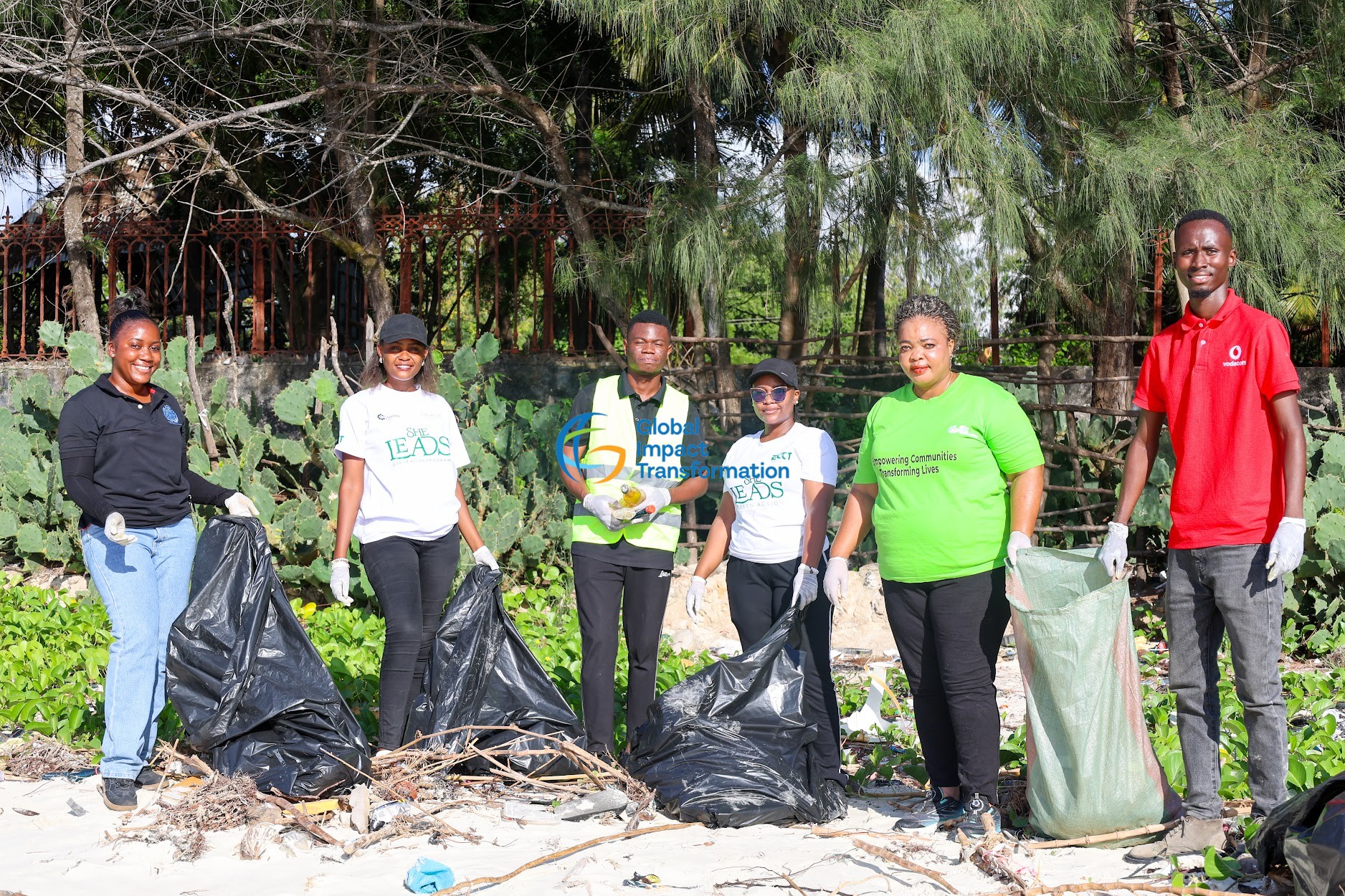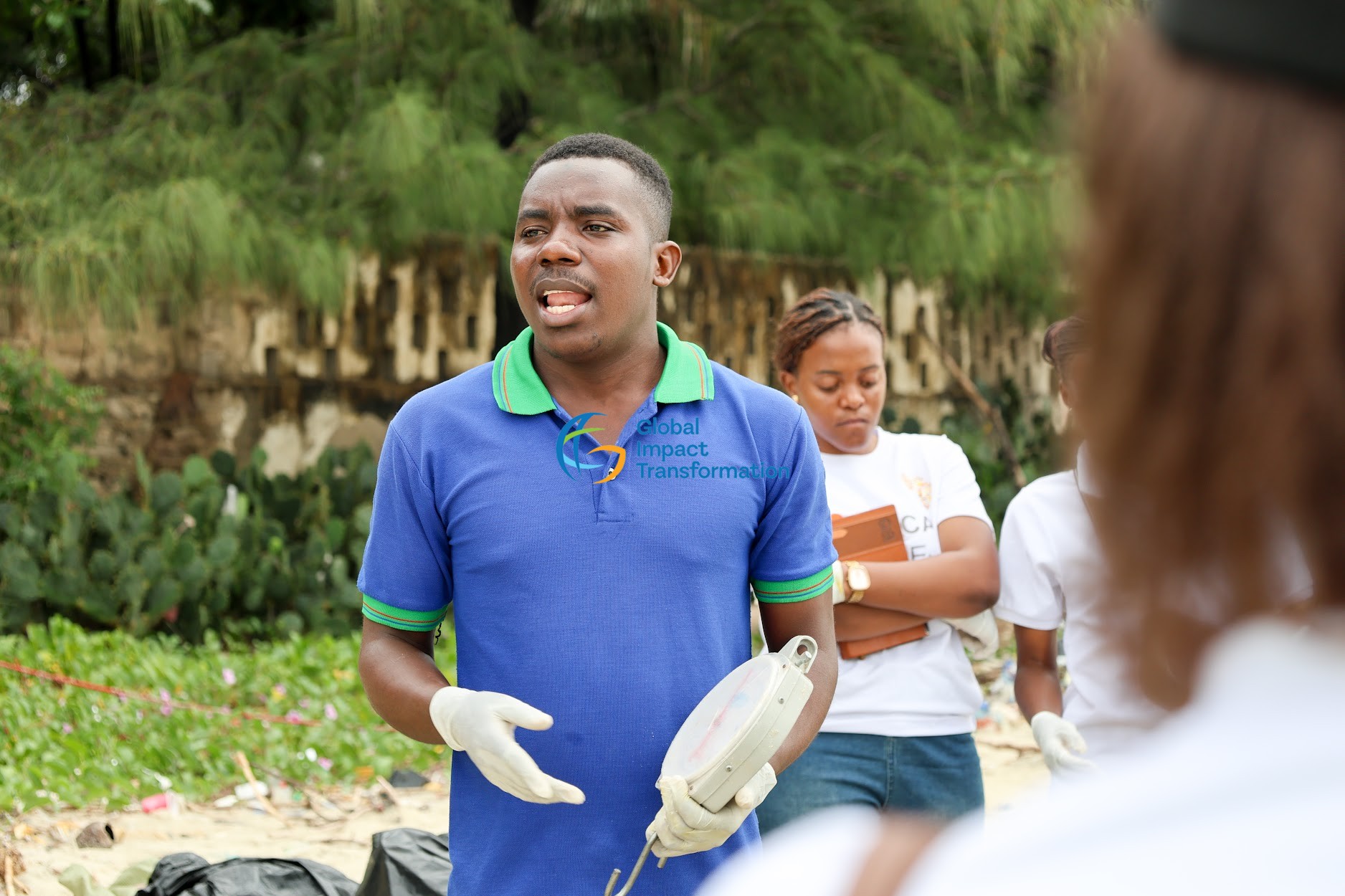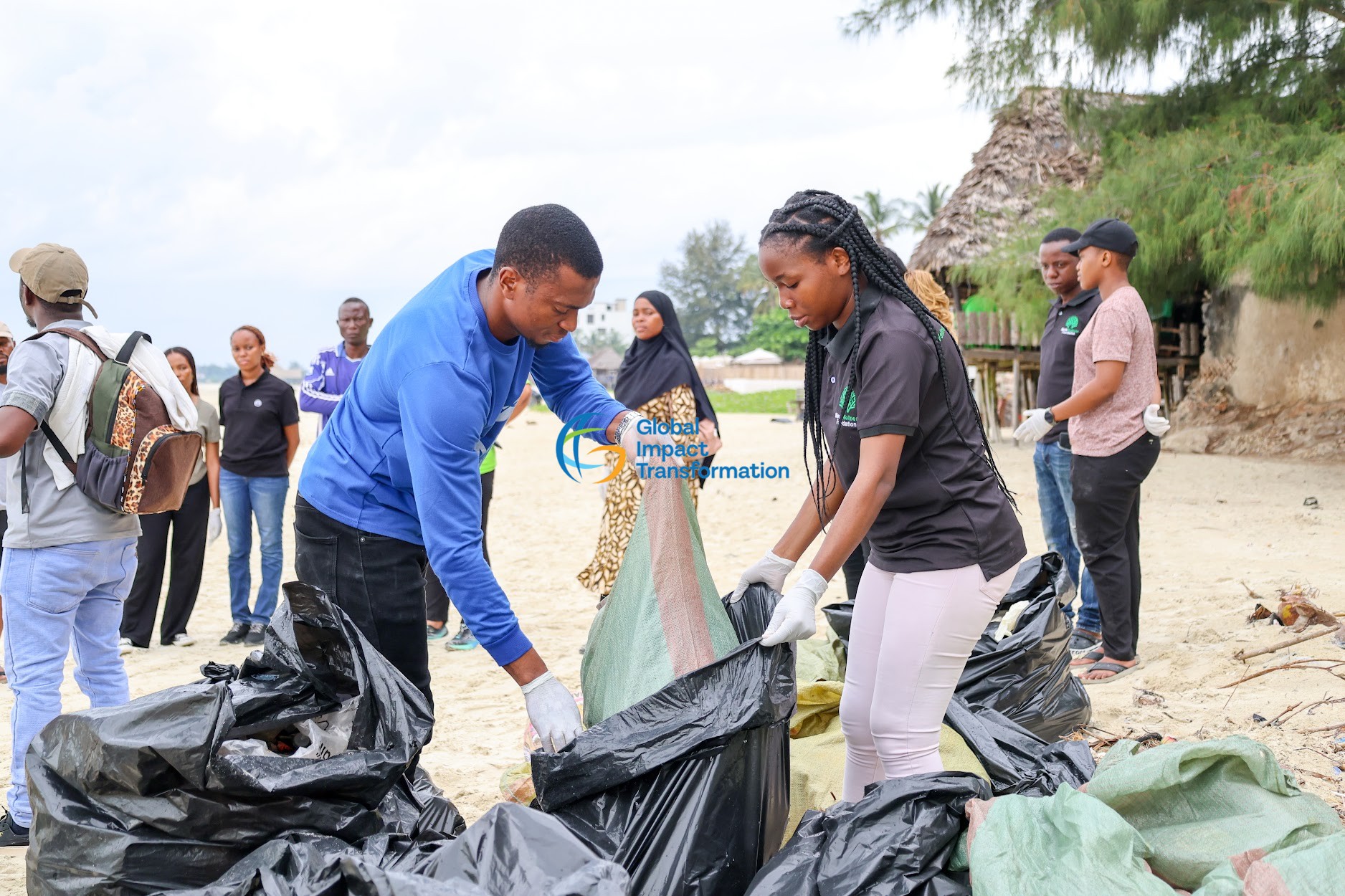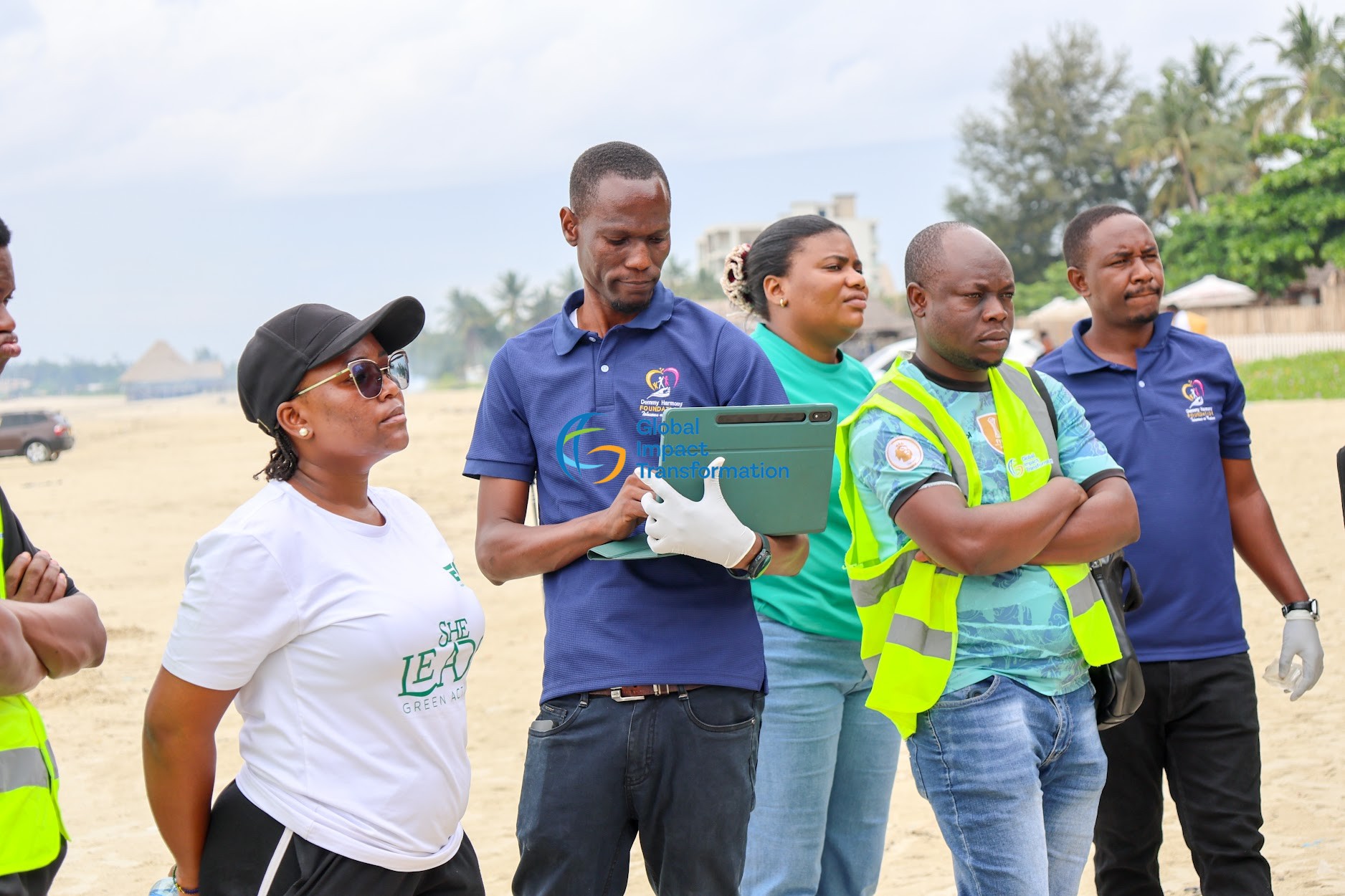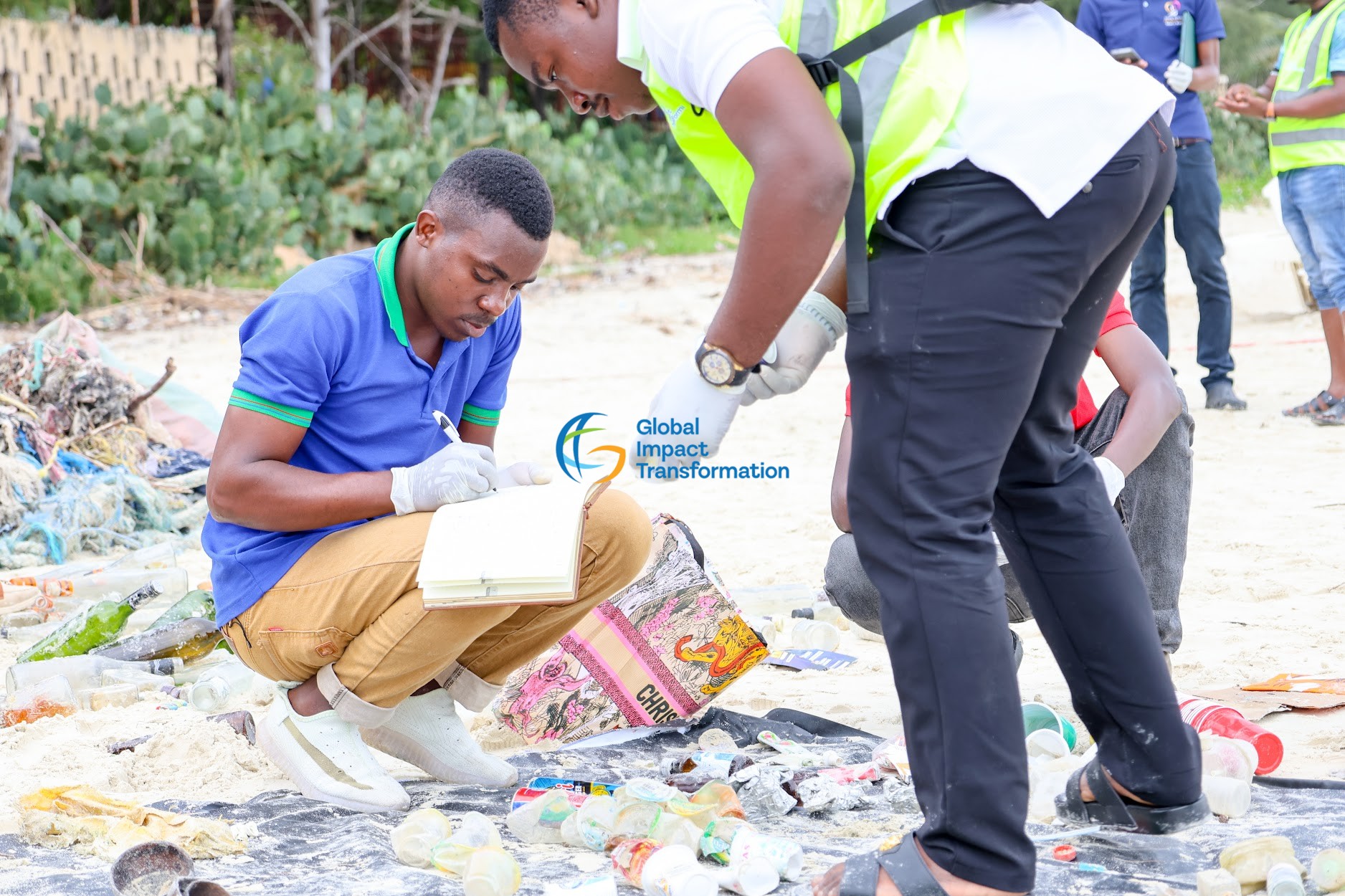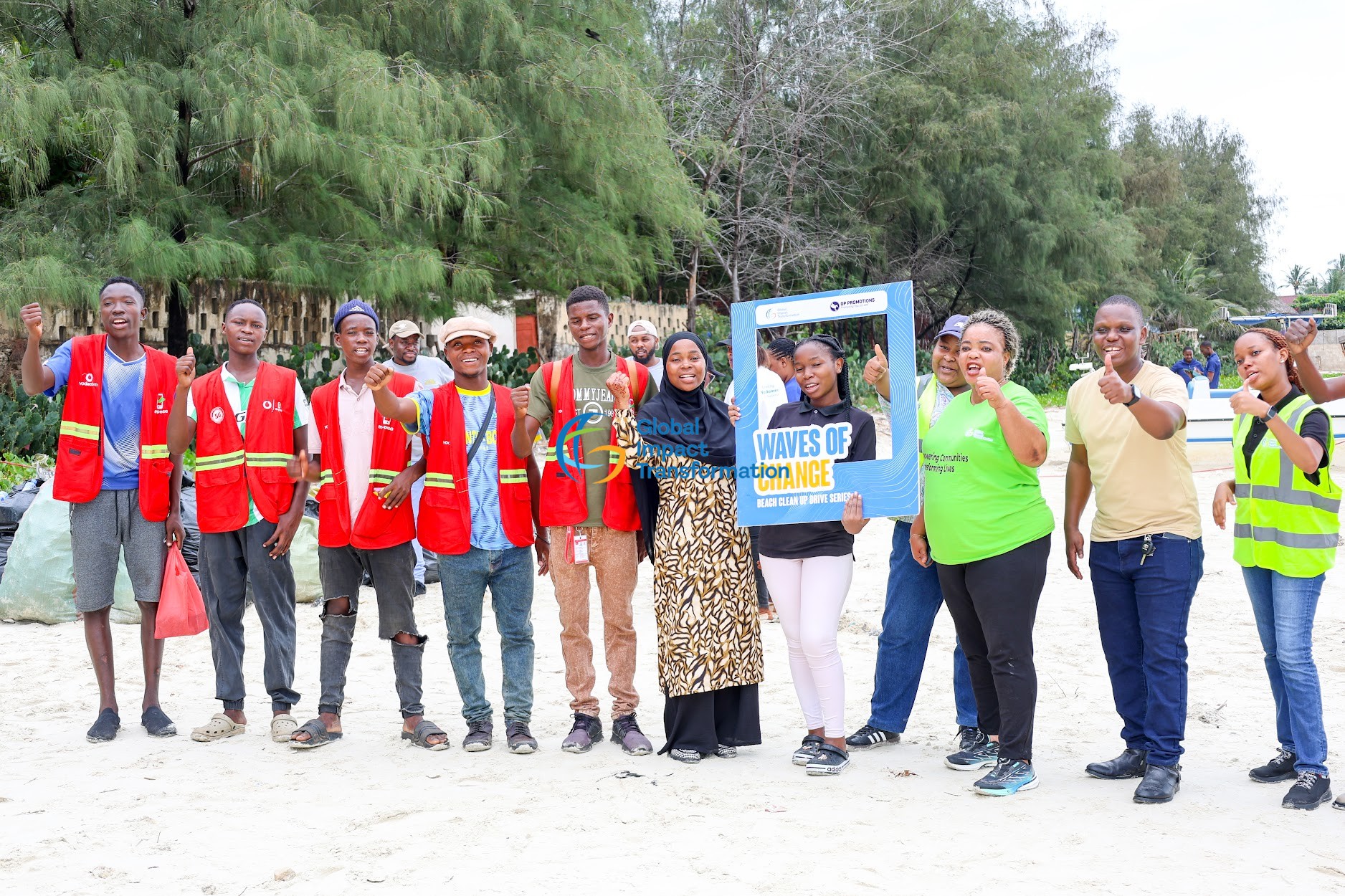
As Tanzania joined the global community in commemorating World Environment Day 2026, communities, environmental organizations, development partners, and citizens came together to reaffirm their commitment to protecting the environment and advancing sustainable development. Environmental challenges such as pollution, poor waste management, biodiversity loss, and the growing impacts of climate change continue to affect ecosystems, livelihoods, and public health, highlighting the urgent need for collective action and community-driven solutions. Environmental sustainability is not solely the responsibility of governments and institutions. It requires active citizenship, strong partnerships, and empowered communities that are willing to take ownership of the challenges affecting their environment. Civic engagement remains a critical pathway for promoting environmental stewardship, strengthening climate resilience, and fostering sustainable behaviors that contribute to healthier and more resilient communities. The initiative brought together 56 participants, including 32 women and 24 men, and demonstrated how communities, civil society organizations, development partners, and local authorities can work together to transform environmental awareness into meaningful action while fostering a stronger culture of environmental responsibility and active citizenship.
Turning environmental awareness into action
By Communication team
Wave of Change Season 5 was organized by Global Impact Transformation (GIT) in partnership with a diverse range of organizations committed to environmental sustainability and climate action. Among the partners were the United Nations Association of Tanzania (UNA Tanzania), Environmental Conservation Community of Tanzania (ECCT), Human Dignity and Environmental Care Foundation (HUDEFO), Tanzania 4 Resilience, SafeeshaPro, Bloom Wellness Foundation, Marine Biodiversity Research and Conservation (MBRC), Jane Goodall Institute Tanzania, African Leadership and Learning Institute (ALII), Demmy Harmony Foundation, Arena Recycling, alongside local government representatives and other supporting organizations.
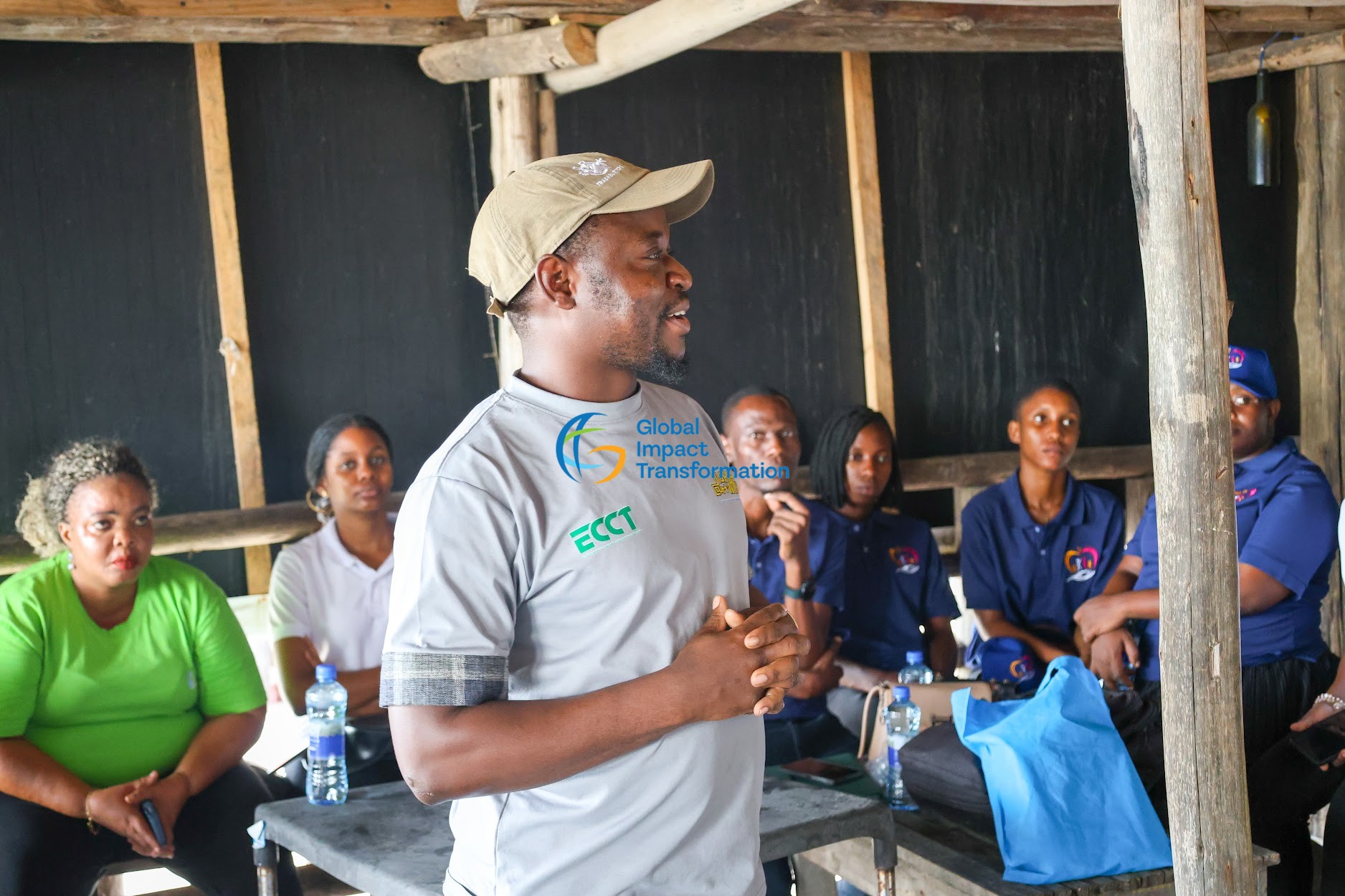
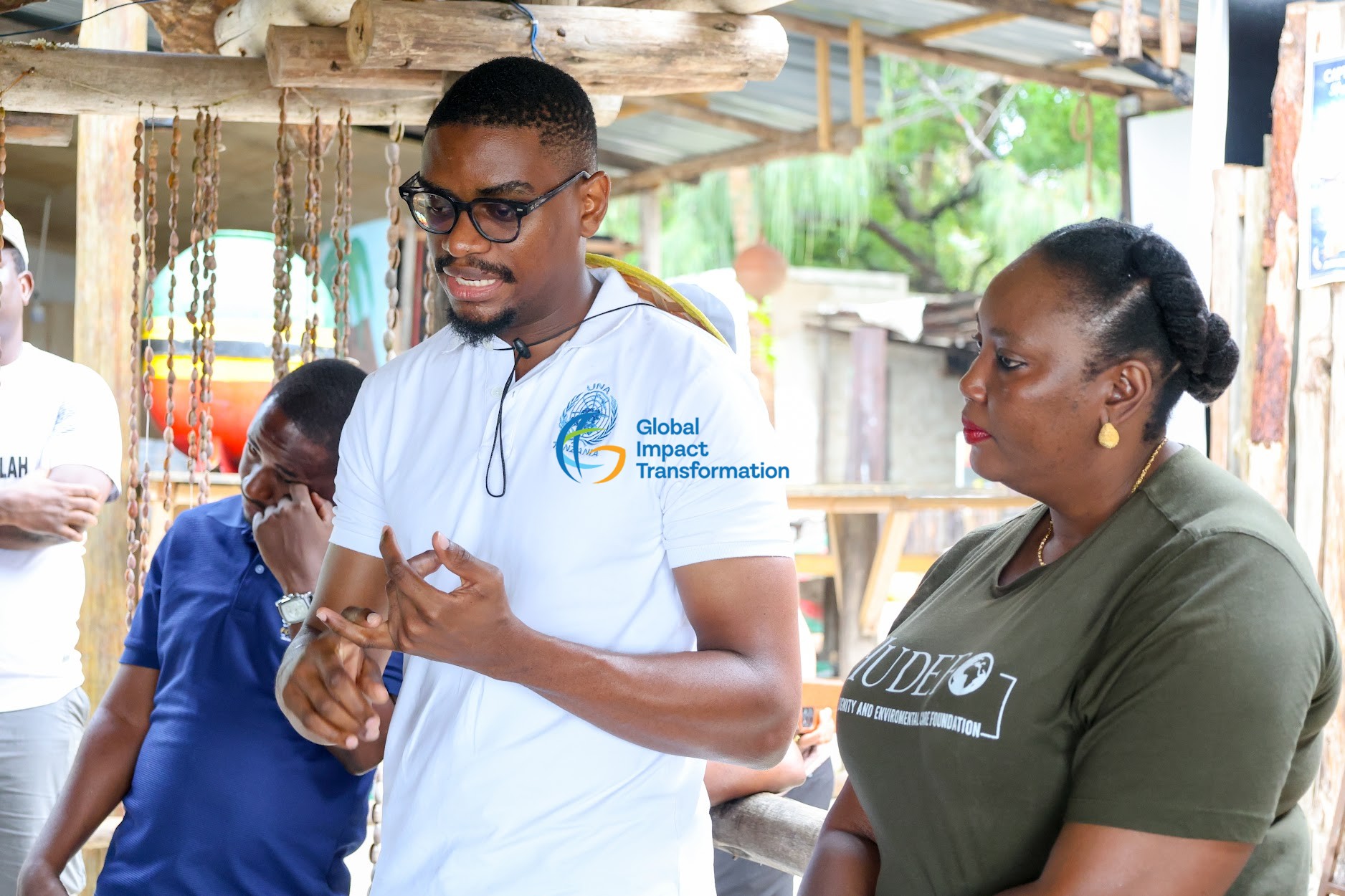
Together, these partners united their expertise, networks, and resources to mobilize communities, strengthen environmental awareness, promote active citizenship, and advance practical solutions for environmental sustainability and climate resilience. Prior to the cleanup exercise, participating organizations engaged in networking and knowledge-sharing sessions, creating opportunities to showcase ongoing initiatives, exchange experiences, and identify areas for future collaboration. The engagement reinforced the importance of multi-stakeholder partnerships in addressing environmental challenges and advancing community-led development.
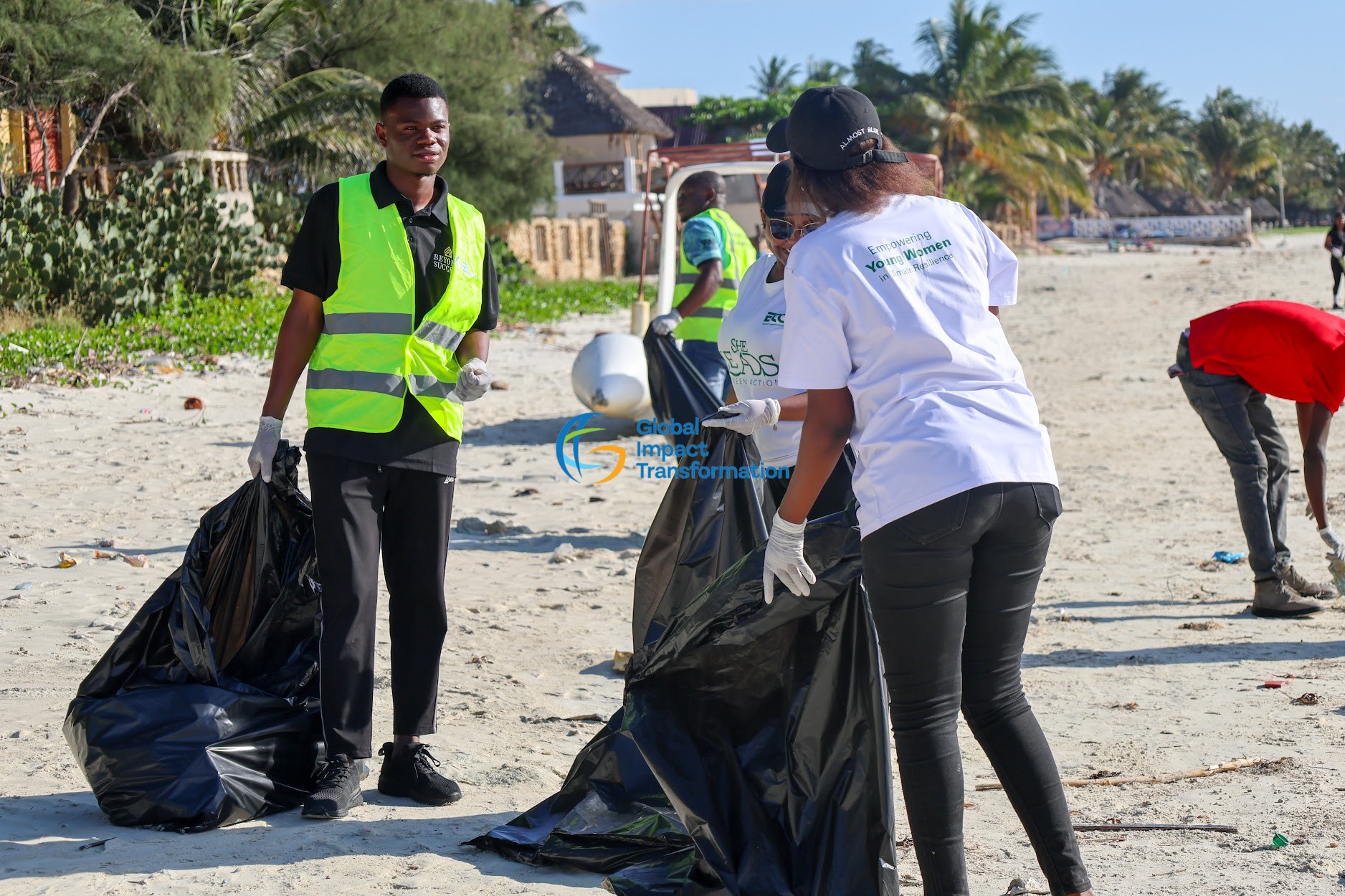
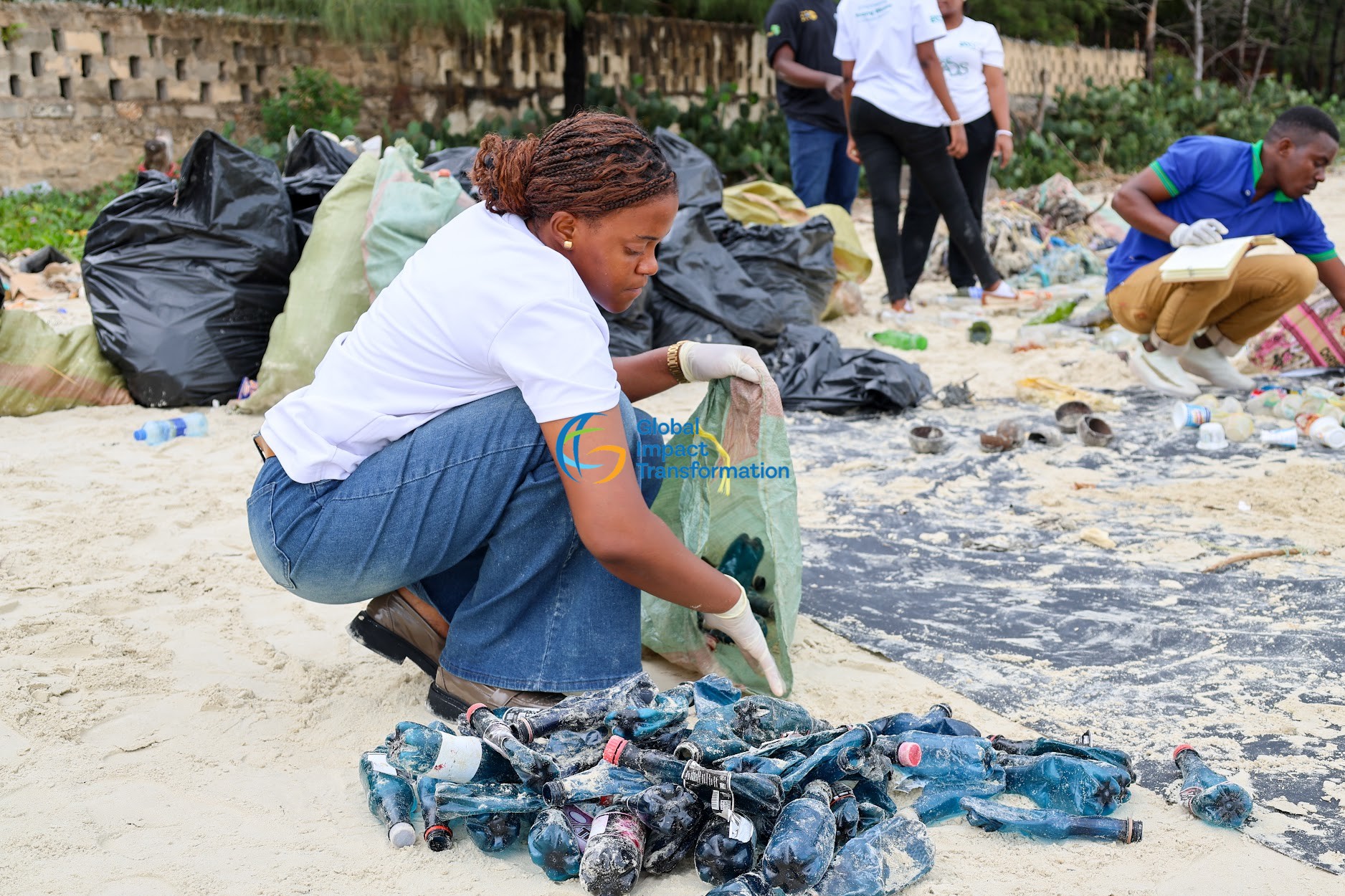
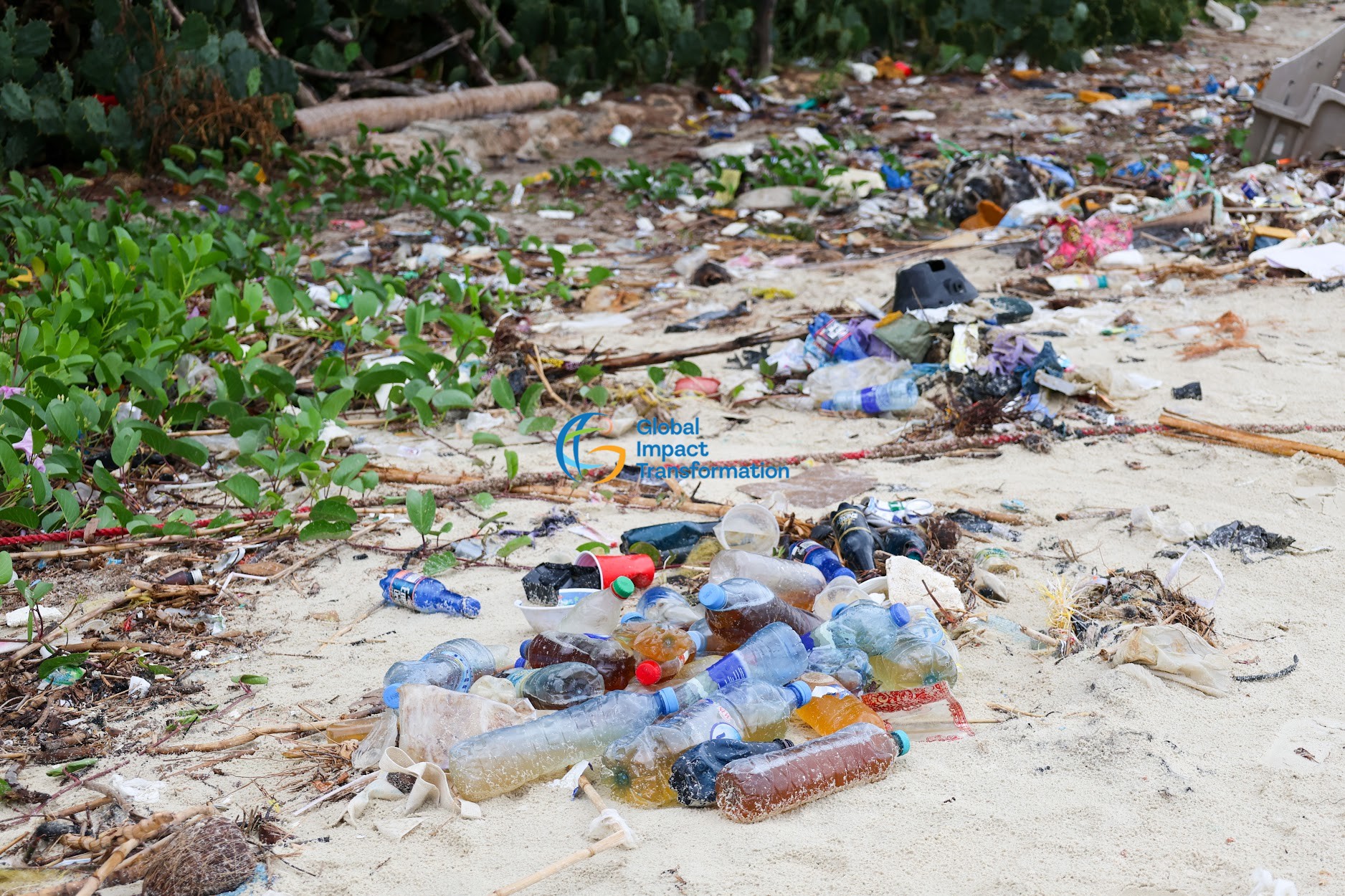
The activity highlighted the important connection between environmental stewardship and active citizenship. Through volunteerism and collective action, participants demonstrated that environmental conservation is a shared responsibility requiring the engagement of individuals, communities, institutions, and development partners alike. By creating opportunities for practical participation, the initiative strengthened community ownership of environmental challenges while inspiring participants to become environmental ambassadors within their homes, schools, workplaces, and neighborhoods.The collective efforts of participants and partner organizations resulted in the successful collection, sorting, and responsible management of 578 kilograms of waste from the Maga Beach shoreline. The waste included plastic bottles, plastic packaging materials, single-use plastics, and other non-biodegradable materials that pose significant threats to marine ecosystems, biodiversity, and community health. Through collaboration with environmental partners, including Arena Recycling, recyclable materials were separated and diverted for responsible processing, supporting sustainable waste management and circular economy practices. Beyond the immediate environmental benefits, the initiative strengthened awareness of environmental conservation, climate resilience, and responsible waste management among participants and community members. The activity also reinforced the value of volunteerism and demonstrated how community-led action can contribute to cleaner, healthier, and more resilient environments.
Key Results:
• 56 volunteers mobilized, including 32 women and 24 men, demonstrating strong community participation in environmental action.
• 578 kilograms of plastic and other solid waste removed from Maga Beach and responsibly managed, contributing to cleaner coastal ecosystems.
• 12 partner organizations collaborated, strengthening multi-stakeholder action for environmental sustainability.
• Increased public awareness of environmental conservation, responsible waste management, and climate resilience.
• Strengthened partnerships among civil society organizations, local authorities, youth groups, and environmental stakeholders.
• Expanded civic engagement and volunteerism, inspiring greater community ownership of environmental protection.
• Promoted recycling and circular economy practices by encouraging waste segregation, responsible disposal, and resource recovery.
Advancing Environmental Stewardship and Climate Resilience
Environmental degradation, plastic pollution, and the growing impacts of climate change continue to threaten Tanzania's coastal ecosystems, biodiversity, and the well-being of communities that depend on them. Addressing these challenges requires more than policy commitments it demands informed, engaged, and empowered citizens who are willing to take action and inspire others to do the same. Wave of Change Season 5 demonstrated the power of collective action by bringing together volunteers, youth leaders, environmental advocates, community members, and partners to transform environmental awareness into meaningful action. Beyond the beach cleanup itself, participants engaged in interactive climate education sessions, environmental awareness discussions, and team-building games designed to strengthen knowledge, encourage collaboration, and promote sustainable environmental practices. These activities created an engaging learning environment where participants explored the links between waste pollution, biodiversity conservation, climate resilience, and everyday actions that contribute to a healthier planet.
The initiative encouraged participants to see environmental protection not as a one-day event, but as a shared responsibility that begins within families, schools, workplaces, and communities. By combining hands-on environmental action with education and community engagement, the event empowered volunteers to become ambassadors for responsible waste management, recycling, and climate action long after the cleanup had ended.Wave of Change Season 5 also reinforced the value of partnerships and volunteerism in advancing environmental sustainability. Every bag of waste collected, every conversation about climate action, and every new volunteer engaged represented another step toward building cleaner coastlines, more resilient communities, and a stronger culture of environmental stewardship. Through collective action, knowledge sharing, and community leadership, the initiative continues to contribute to Tanzania's journey toward a more sustainable and climate-resilient future.
Voices from Environmental Champions
The significance of the initiative was reflected in the perspectives shared by participating stakeholders.
Ally Mwamzola, Project Coordinator of Tanzania 4 Resilience at the United Nations Association of Tanzania (UNA Tanzania), emphasized the importance of collective action in building climate resilience:
“Building climate resilience requires collective action and long-term commitment from communities, institutions, and development stakeholders. As climate-related challenges continue to affect livelihoods, ecosystems, and public health, it is important that communities adopt sustainable practices that reduce environmental degradation and strengthen their ability to adapt. Activities such as beach cleanups are more than environmental campaigns; they are practical investments in resilience, awareness, and community responsibility. Together, we can build a generation that understands climate risks and actively contributes to solutions.”
Reflecting on his experience during the cleanup, Richard Mswahili from Demmy Harmony Foundation highlighted the role of individual responsibility in environmental protection:
“Participating in this cleanup has shown me that environmental conservation is not only the responsibility of government or organizations. Every individual has a role to play in protecting our environment. Small actions taken consistently by communities can create lasting change.”
These reflections underscore the transformative power of civic engagement and demonstrate how community-led action can inspire greater commitment to environmental sustainability.
Looking Ahead: Wave of Change Season 6
The success of Wave of Change Season 5 demonstrates the growing potential of community-led environmental action to strengthen civic engagement, promote environmental stewardship, and build climate-resilient communities.Building on this momentum, Global Impact Transformation and its partners are preparing for Wave of Change Season 6, with the goal of expanding participation, strengthening environmental education, increasing recycling efforts, and mobilizing even more communities to take action for a cleaner, greener, and more sustainable future.
To achieve this vision, GIT welcomes collaboration with development partners, environmental organizations, government institutions, foundations, academic institutions, private sector actors, media organizations, and community groups interested in supporting environmental conservation, coastal protection, climate resilience, recycling initiatives, and community-led environmental action.Together, we can expand the Wave of Change movement, strengthen environmental stewardship, and empower more citizens to become active champions of sustainable development.
For partnerships, sponsorships, technical collaboration, volunteer opportunities, or program support, please contact:
info@globalimpacttransformation.org