As communities around the world commemorated World Environment Day 2026, Global Impact Transformation (GIT), in partnership with the Jane Goodall Institute Tanzania and Safeesha Pro Tanzania, brought together students, educators, local government leaders, and environmental advocates for a transformative tree-planting and environmental awareness initiative at Kawe A Primary School in Dar es Salaam. More than a celebration, the event served as a call to action empowering young people with the knowledge, skills, and values needed to become responsible environmental stewards and active citizens committed to protecting the planet for future generations. The initiative reflects GIT’s commitment to advancing environmental sustainability while strengthening civic engagement among young people. By creating opportunities for children to learn, participate, and take action, the activity demonstrated how environmental responsibility and active citizenship can work together to build healthier, more resilient, and sustainable communities.
Strengthening civic engagement through environmental stewardship
By Communication team
The World Environment Day commemoration was officially officiated by Mr. Joachim Kilawe, Health Officer for Kawe Ward, whose participation highlighted the important link between environmental conservation, public health, and active community participation.In his remarks, Mr. Kilawe commended the collaborative efforts of Global Impact Transformation, the Jane Goodall Institute Tanzania, Safeesha Pro Tanzania, Kawe A Primary School, and other stakeholders for investing in environmental education and empowering young people to become responsible environmental stewards. He encouraged students to recognize that protecting the environment is not only a conservation issue but also a civic responsibility that contributes to healthier, safer, and more resilient communities.
“Environmental conservation begins with individual responsibility and collective action, when young people actively participate in protecting their environment, they are not only safeguarding natural resources but also demonstrating active citizenship and contributing to the well-being of their communities. Through initiatives such as tree planting and environmental education, we are helping nurture a generation that values responsibility, participation, and sustainable development.”
Mr. Kilawe further emphasized that environmental stewardship, community participation, and civic responsibility go hand in hand, noting that empowering young people with knowledge and opportunities to take action is essential for building environmentally conscious and engaged communities.
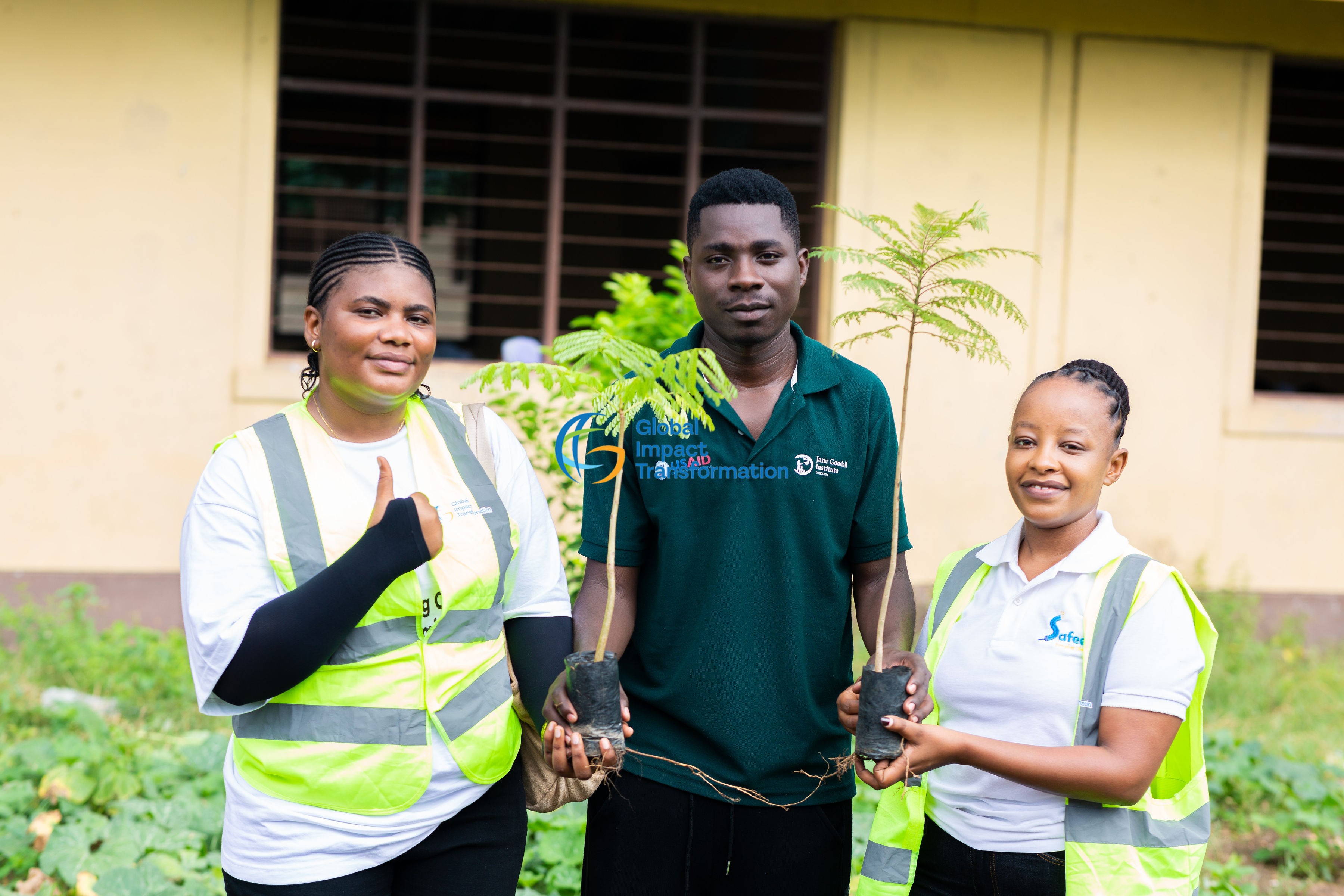
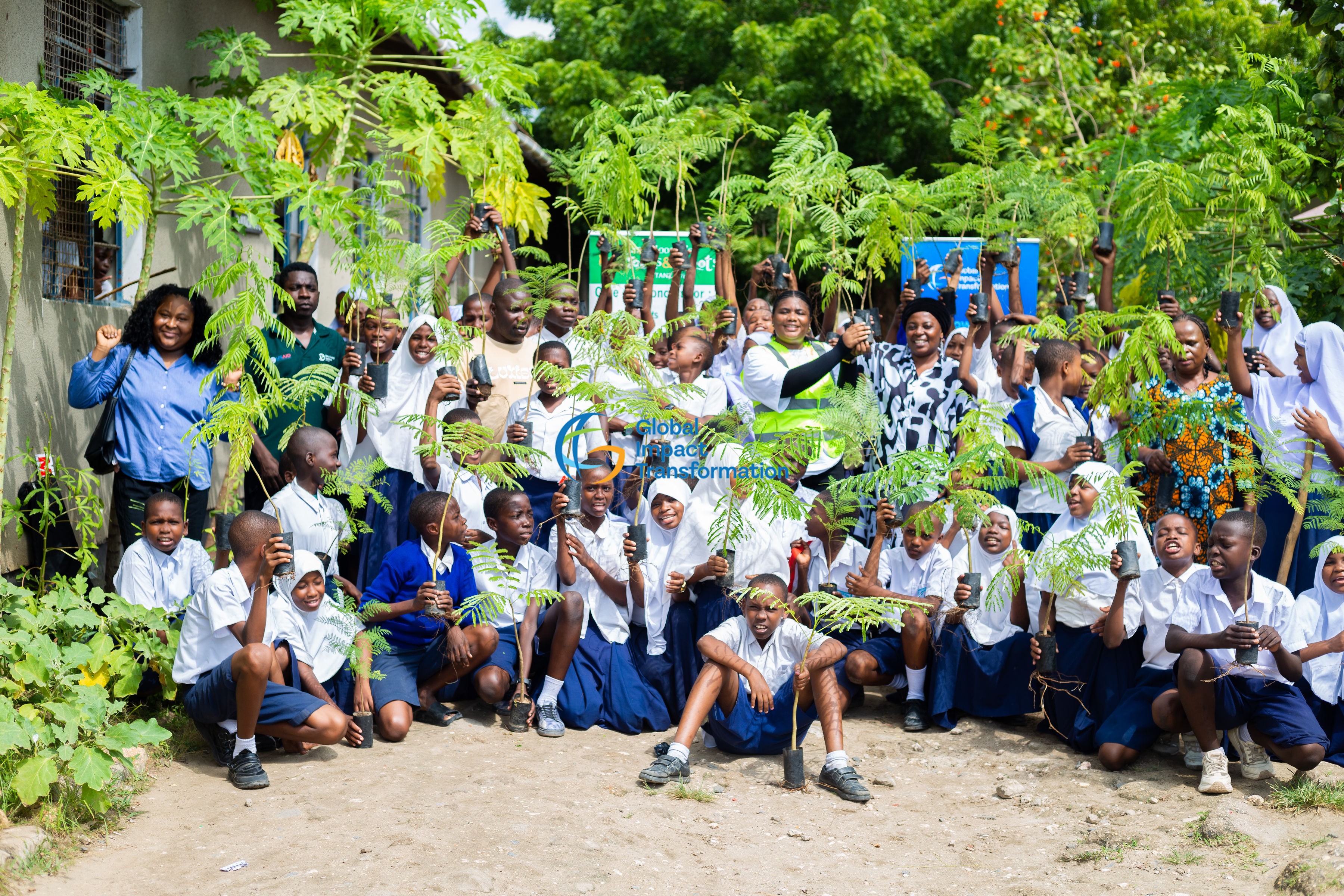
The event brought together a diverse group of stakeholders united by a shared vision of environmental conservation and sustainable development. A total of 207 participants took part in the activity, including 196 pupils comprising 103 girls and 93 boys aged between 7 and 13 years. The event was further supported by representatives from Global Impact Transformation (GIT), the Jane Goodall Institute Tanzania, Safeesha Pro Tanzania, the Kawe Ward Office, Kinondoni Municipal Council, teachers, and school leadership.
The strong participation reflected a growing recognition that environmental challenges require collective action and that meaningful solutions begin with informed, engaged, and empowered communities. By bringing together civil society organizations, local government authorities, educators, and young learners, the initiative created an inclusive platform for learning, collaboration, and community ownership.
Empowering Young People Through Environmental Education
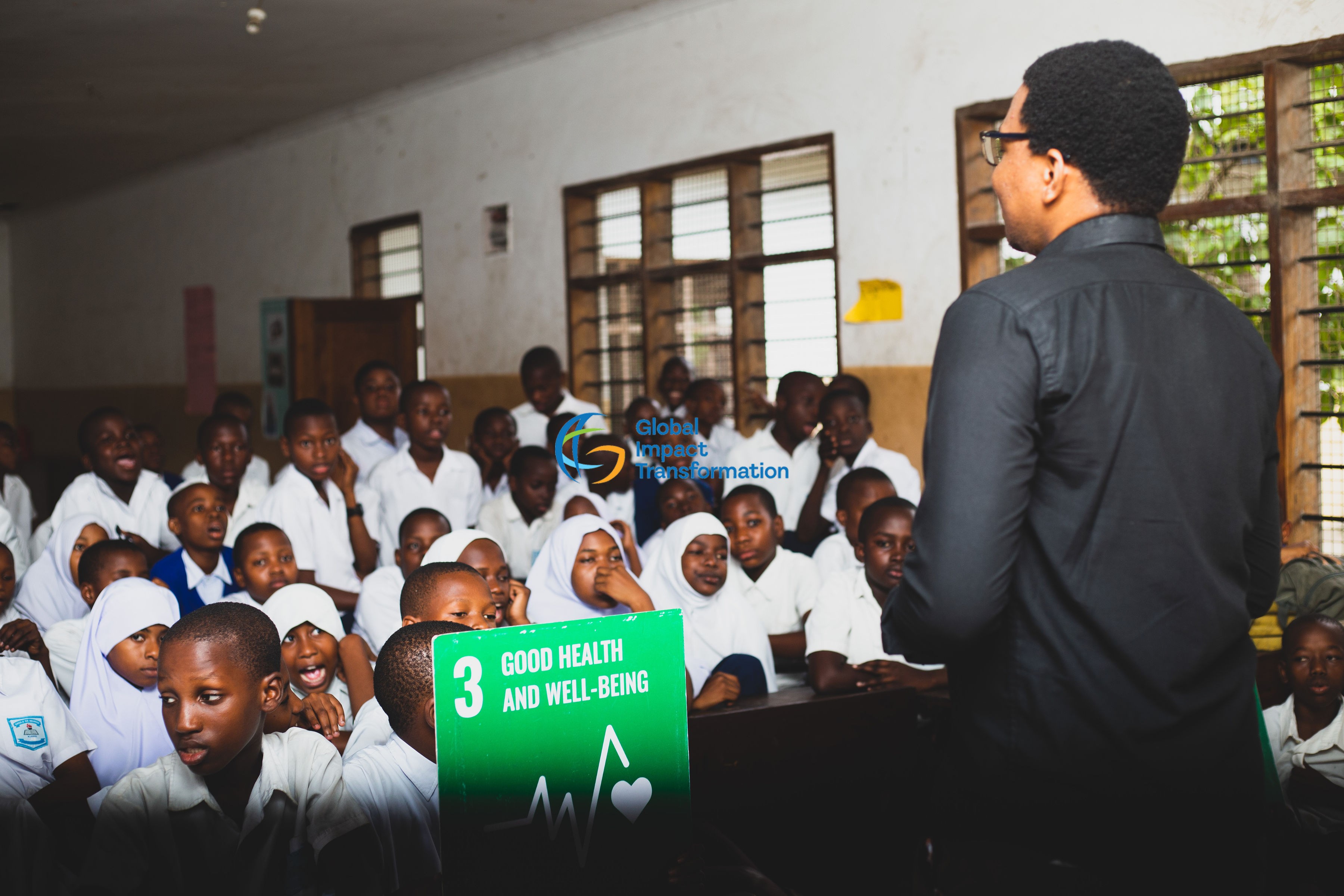
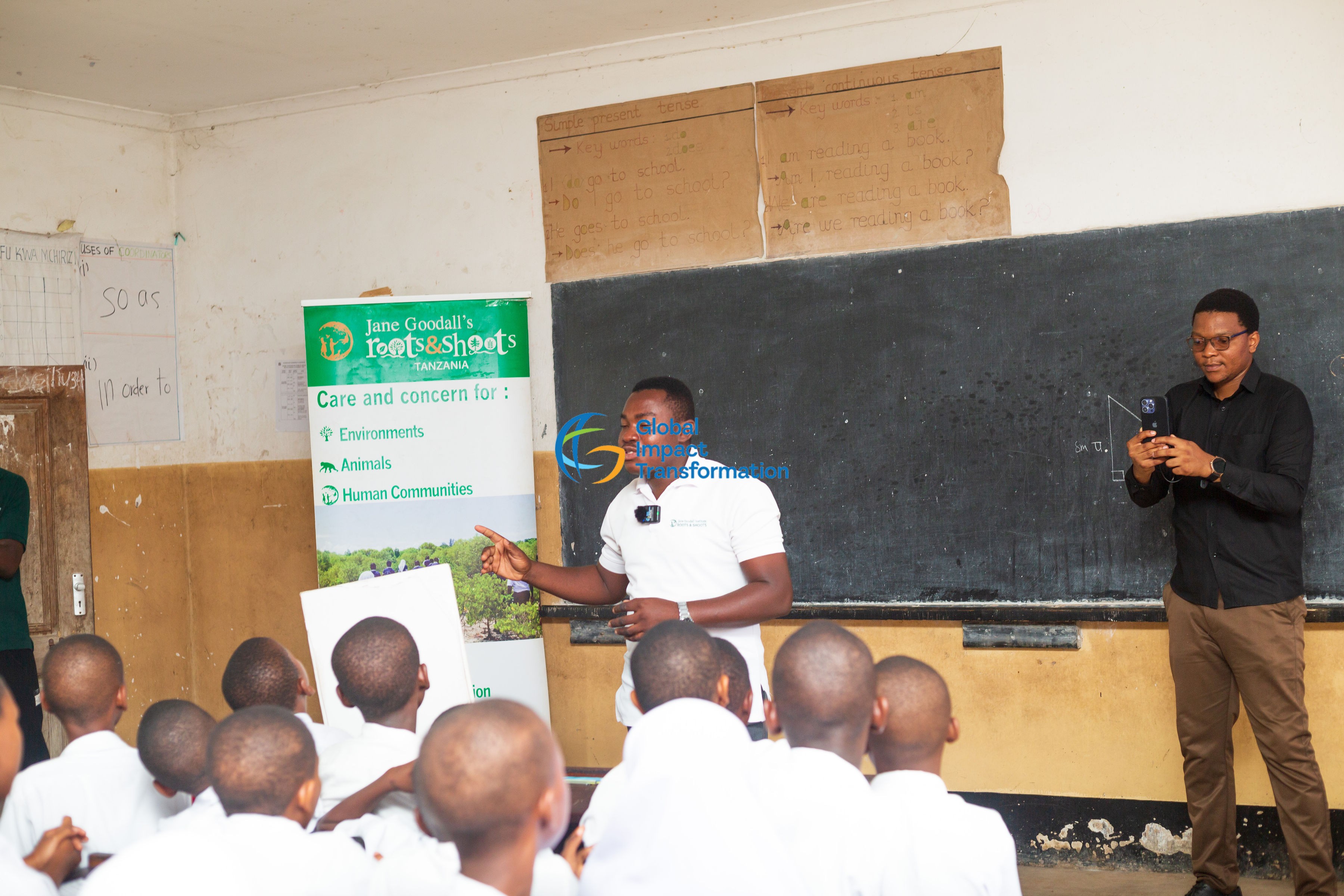
A key component of the initiative was an interactive environmental awareness session designed to equip students with practical knowledge about environmental conservation, climate action, and sustainable living.Facilitators from the partner organizations guided discussions on the importance of protecting natural resources, preserving biodiversity, addressing climate change, reducing pollution, and promoting sustainable environmental practices. Students learned how deforestation, poor waste management, and environmental degradation affect ecosystems, public health, livelihoods, and community well-being.
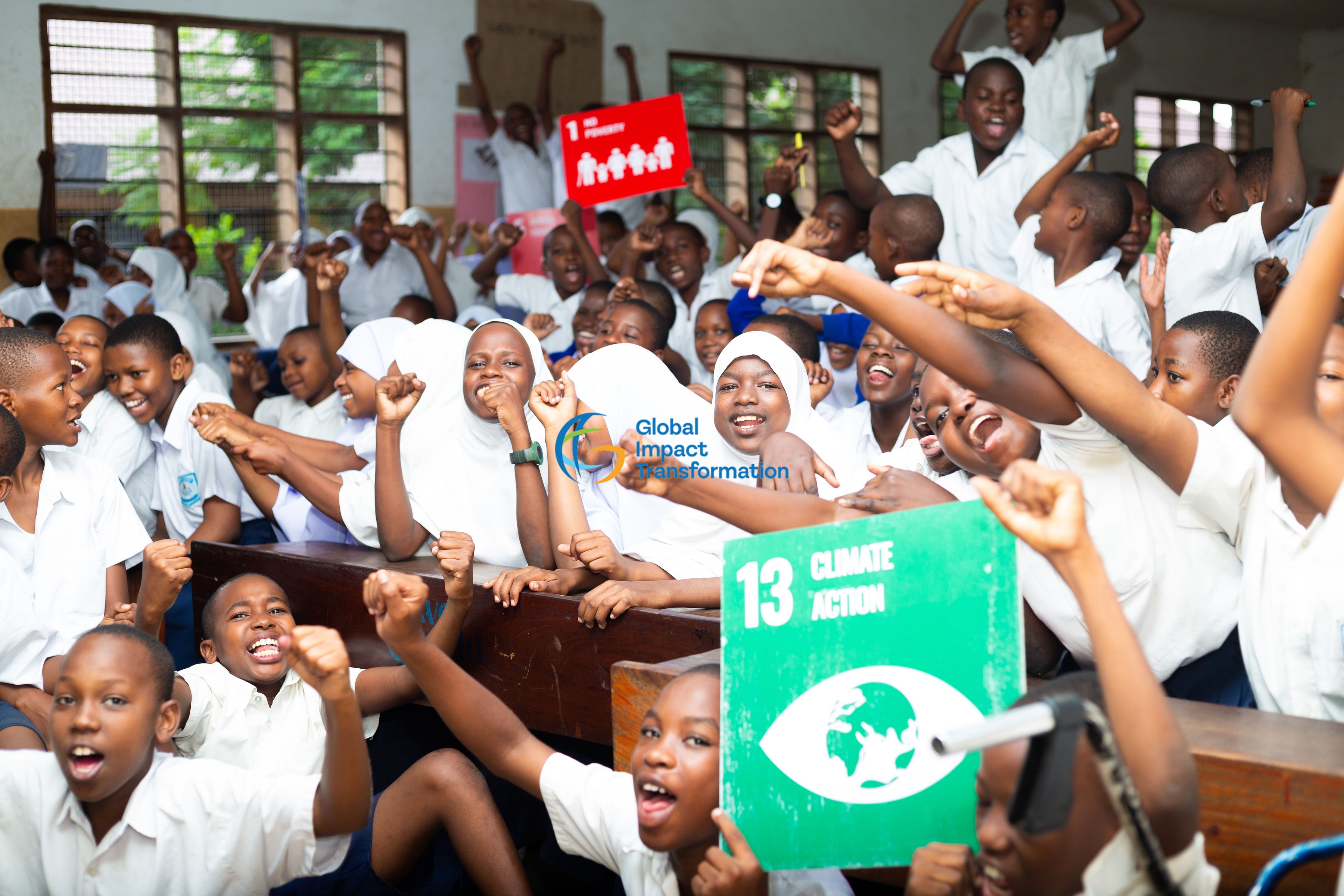
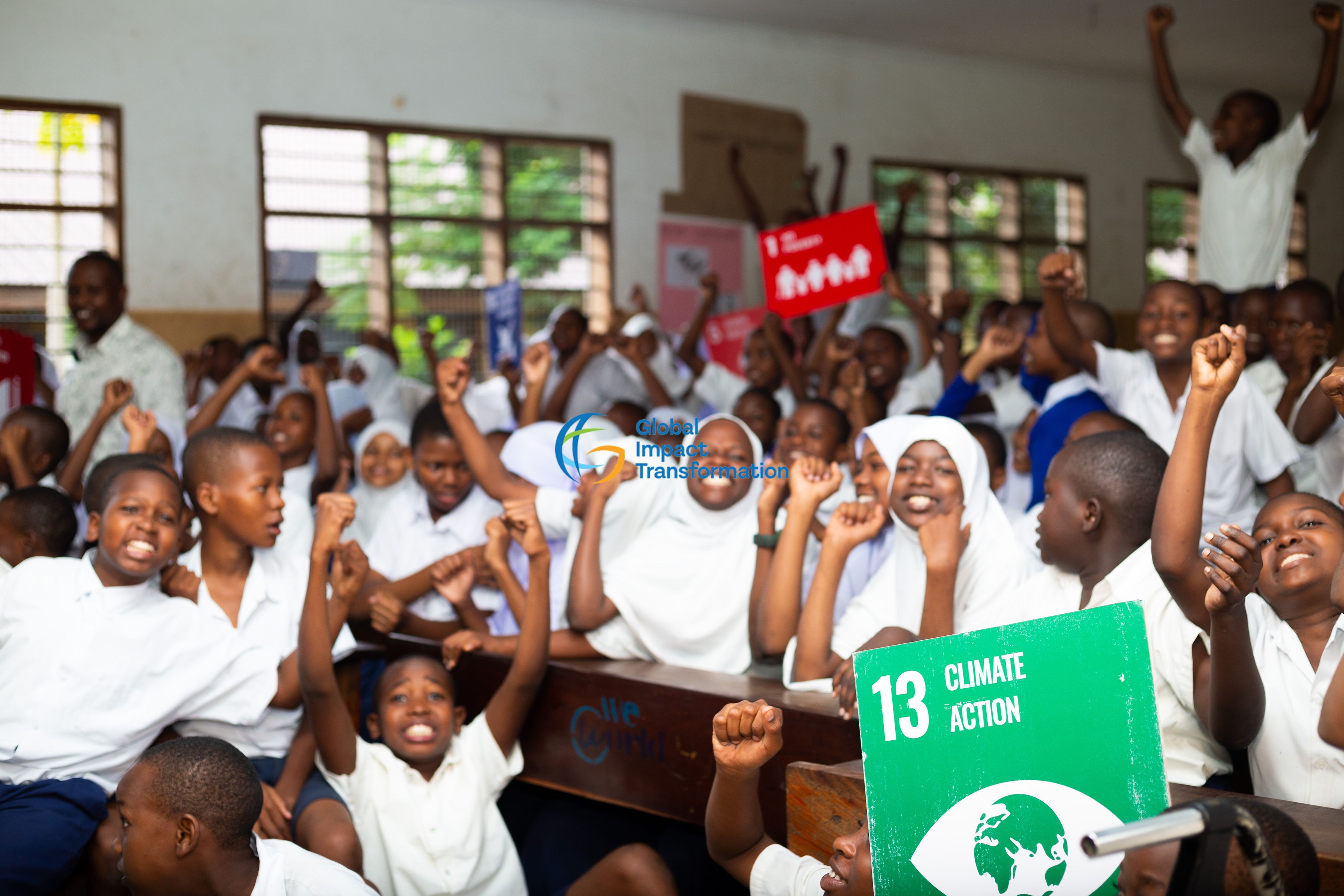
The sessions also encouraged participants to recognize their own role in protecting the environment and contributing to sustainable solutions within their homes, schools, and communities. Students actively engaged in discussions, asked thoughtful questions, and shared ideas on how they could help create cleaner, greener, and healthier environments.The experience nurtured a sense of responsibility, leadership, and environmental consciousness among young learners while strengthening their understanding of sustainability and climate resilience.
Strengthening Civic Engagement Through Environmental Stewardship
Environmental sustainability is not only about protecting natural resources; it is also about fostering responsible citizenship, community participation, and collective responsibility.The World Environment Day initiative provided students with an opportunity to understand the connection between environmental conservation and civic engagement. Through practical learning and collective action, participants explored how individuals can contribute to positive change by taking responsibility for their surroundings and working together to address community challenges.
By encouraging students to become environmental ambassadors within their schools and neighborhoods, the initiative promoted a culture of participation, accountability, volunteerism, and community leadership. These values are essential for building inclusive and resilient communities capable of addressing both environmental and social challenges. Beyond environmental conservation, the activity reinforced the understanding that every individual has a role to play in creating positive change. Through environmental action, young people were encouraged to embrace active citizenship and become champions of sustainable development within their communities.
An important aspect of the initiative was the emphasis on the role of tree nurseries in supporting long-term environmental conservation and climate resilience. Participants learned about how tree nurseries contribute to ecosystem restoration by providing a sustainable source of seedlings for reforestation and greening initiatives. Discussions highlighted the importance of nurturing seedlings from an early stage, caring for young trees, and ensuring their survival after planting. Students were encouraged to view tree nurseries as living learning spaces that can support environmental education, biodiversity conservation, and climate action while helping communities maintain a continuous supply of trees for future planting activities.The promotion of tree nurseries reinforced the message that environmental conservation is an ongoing process that requires long-term commitment, planning, and stewardship.
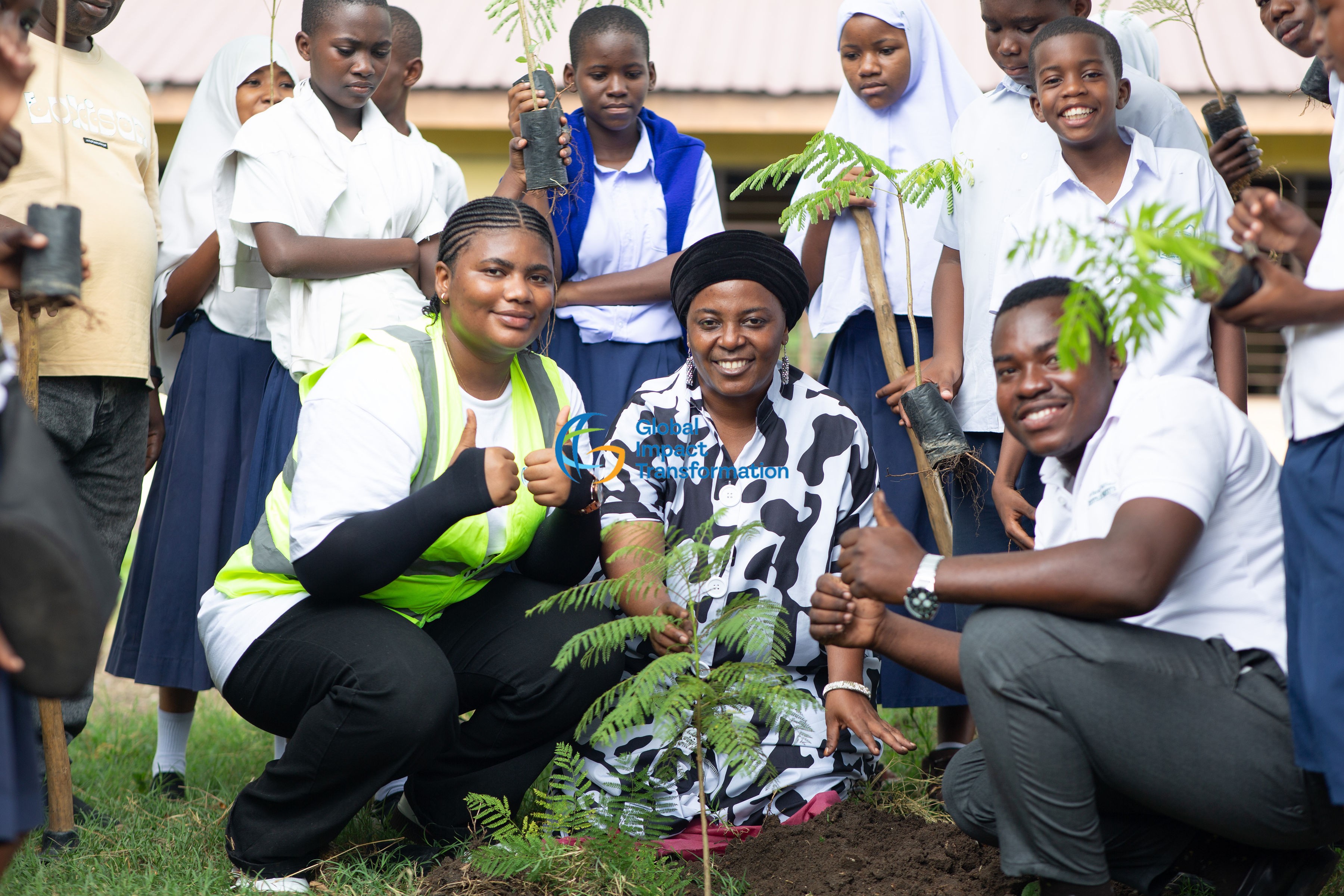
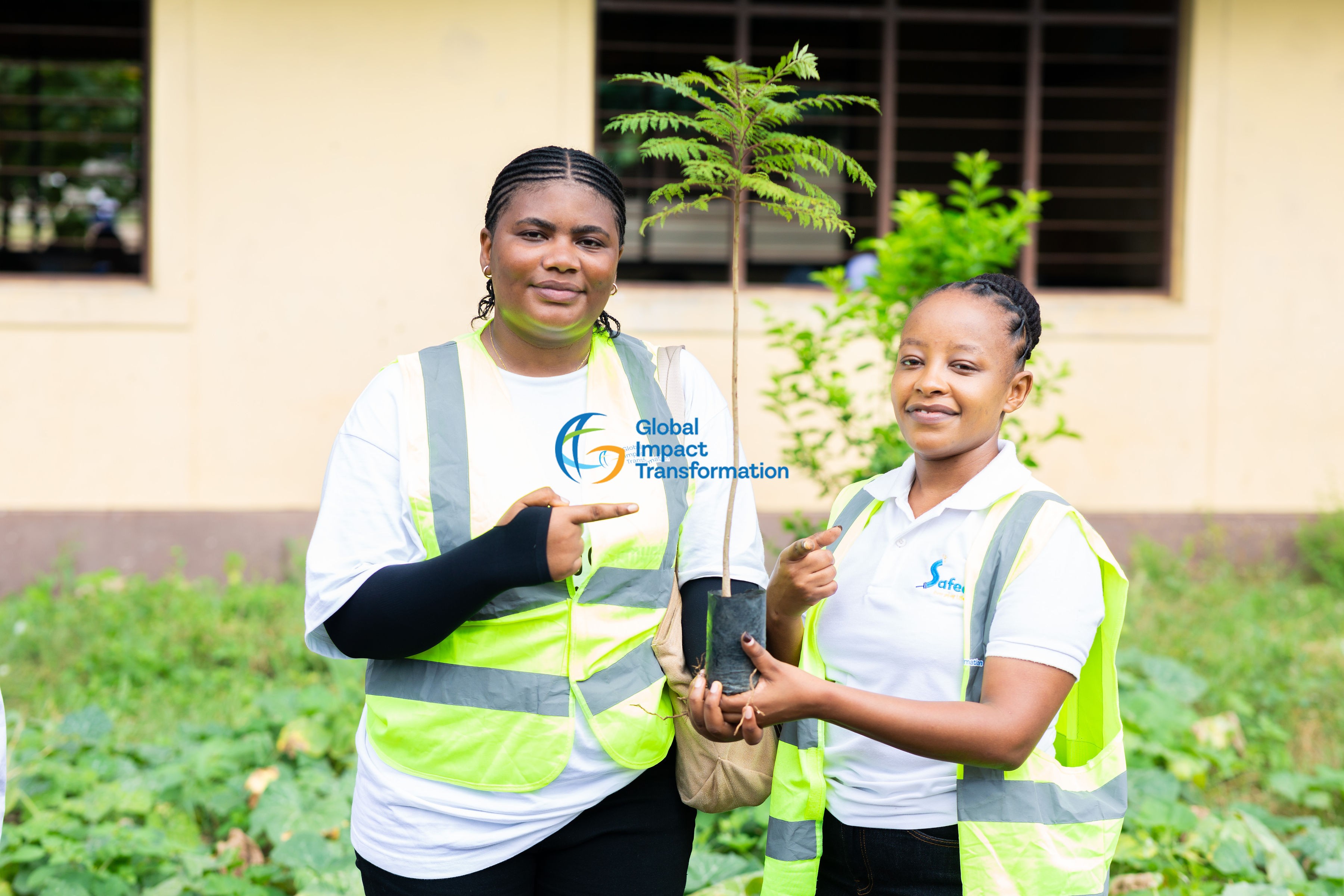
The highlight of the event was a practical tree-planting exercise that transformed environmental awareness into tangible action.Through the generous support of the Jane Goodall Institute Tanzania, 200 tree seedlings were donated to Kawe A Primary School to support environmental restoration and greening efforts. Students, teachers, local leaders, and partner representatives worked side by side to plant trees within the school compound, symbolizing a shared responsibility for environmental sustainability and climate resilience.
The exercise provided participants with practical skills in tree planting while reinforcing the importance of long-term environmental stewardship. Beyond beautifying the school environment, the trees will contribute to improved air quality, shade, biodiversity conservation, carbon absorption, and climate resilience for years to come. Each seedling planted represented an investment in a healthier environment and a powerful symbol of hope for future generations.
The impact of the initiative was reflected in the voices of participating students, many of whom expressed a deeper understanding of environmental conservation and their role in creating positive change.Students highlighted the importance of tree planting, environmental protection, and collective responsibility in addressing climate and environmental challenges. Many committed to sharing the knowledge gained with their families, friends, and community members, extending the reach and impact of the initiative beyond the school grounds.These reflections demonstrate the transformative power of environmental education and the tremendous potential of young people to become advocates for sustainable development and environmental stewardship within their communities.
A Call to Action for Environmental Stewardship and Civic Responsibility
Speaking during the event, Ms. Suraiya Christopher, Gender Officer Global Impact Transformation (GIT), emphasized the importance of investing in young people as environmental champions and active citizens.
“Environmental conservation is not only about protecting trees, water, and biodiversity, it is about nurturing a generation of responsible citizens who understand their role in shaping healthier, safer, and more sustainable communities. When we equip young people with knowledge, values, and opportunities to take action, we strengthen both environmental stewardship and civic responsibility. Today's learners are tomorrow's leaders, and by empowering them to care for their environment, we are investing in a more resilient and sustainable future for all.”
Her remarks underscored the importance of empowering children and youth with the knowledge, skills, and opportunities needed to contribute meaningfully to environmental protection and community development.
The success of the initiative underscores the importance of multi-stakeholder partnerships in advancing environmental sustainability and community development. Global Impact Transformation extends its sincere appreciation to the Jane Goodall Institute Tanzania, Safeesha Pro Tanzania, Kawe A Primary School, Kawe Ward Office, Kinondoni Municipal Council, teachers, school leadership, students, and all stakeholders whose collaboration made the event possible. Together, these partners demonstrated how collective action can strengthen environmental awareness, promote civic engagement, encourage responsible citizenship, and inspire communities to take meaningful action toward a more sustainable future.
Looking Ahead
As the world continues to confront the impacts of climate change, biodiversity loss, pollution, and environmental degradation, empowering young people remains one of the most effective investments in a sustainable future. Global Impact Transformation remains dedicated to supporting initiatives that promote environmental sustainability, climate action, youth leadership, civic engagement, and community resilience. Through partnerships, environmental education, tree planting, tree nursery development, and community-driven action, GIT continues to create opportunities for young people to become environmental stewards and active contributors to sustainable development.The trees planted at Kawe A Primary School will continue to grow for years to come, serving as a living reminder that lasting change begins when communities come together, take action, and invest in the next generation of environmental leaders.
Global Impact Transformation welcomes collaboration with development partners, government institutions, civil society organizations, academic institutions, foundations, private sector actors, environmental organizations, and youth-led initiatives committed to advancing environmental sustainability, climate action, civic engagement, and community resilience.
Through strategic partnerships and community-driven solutions, we can expand opportunities for young people to become environmental champions and active contributors to sustainable development.
For partnerships, sponsorships, media inquiries, or program collaboration, please contact: info@globalimpacttransformation.org