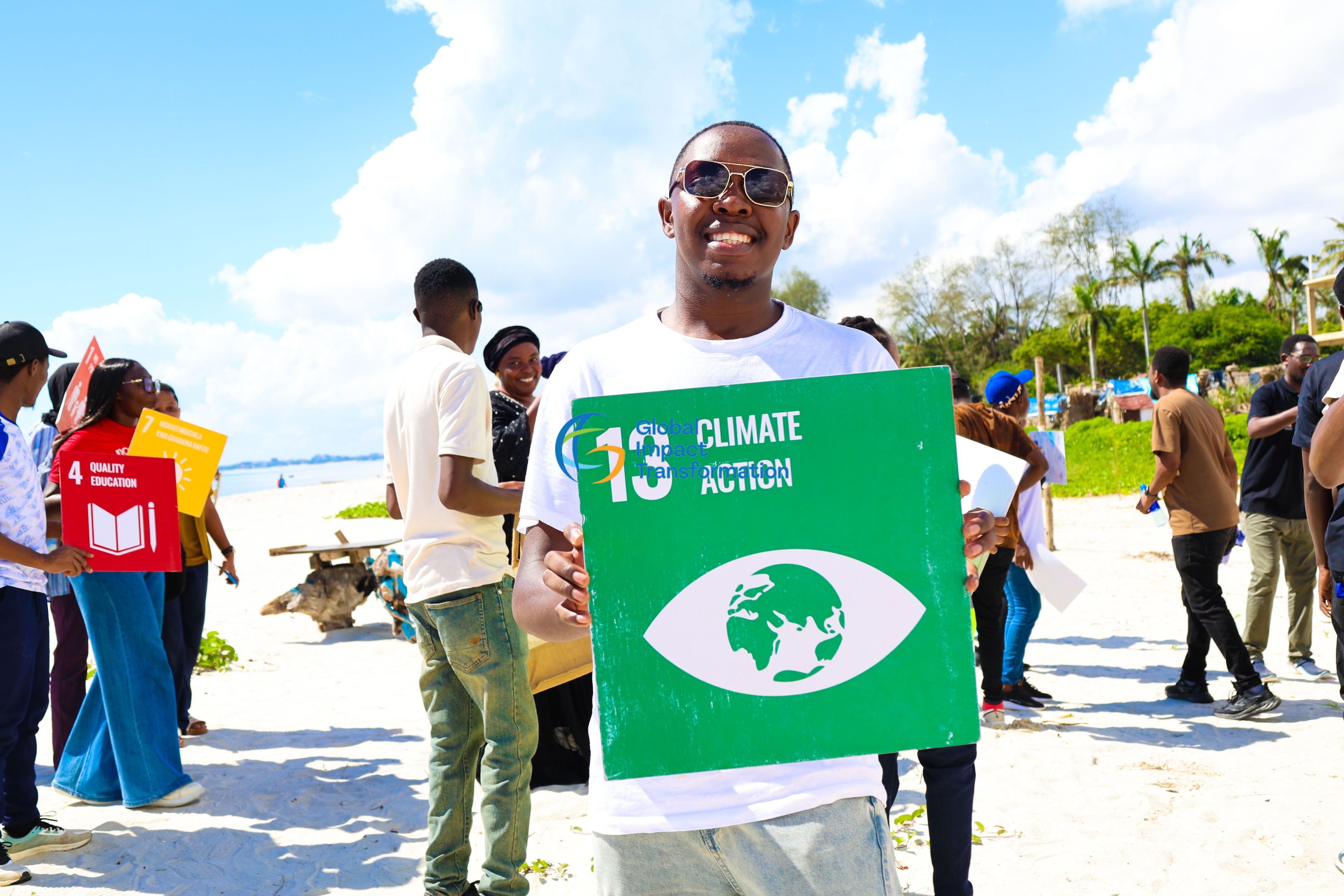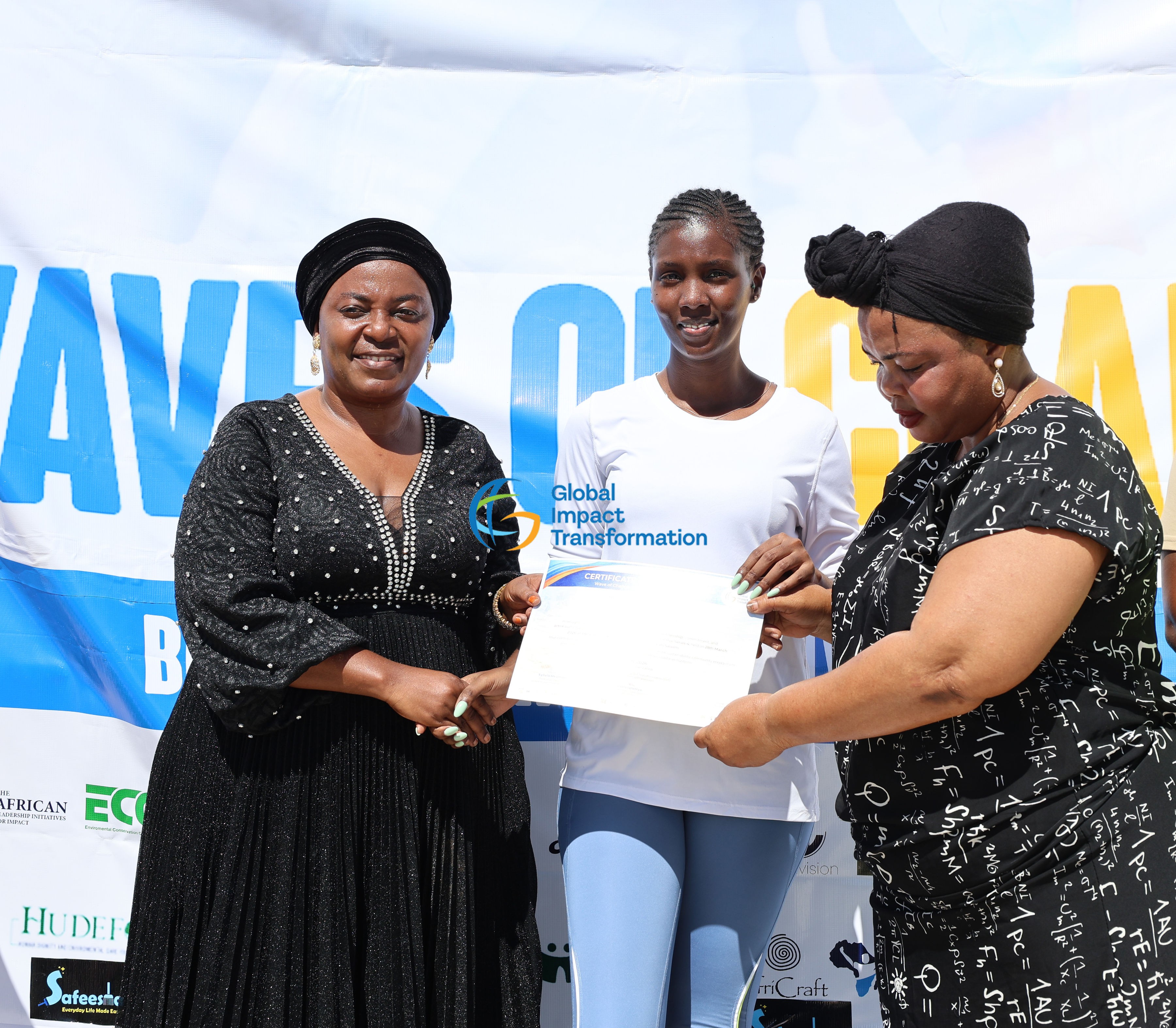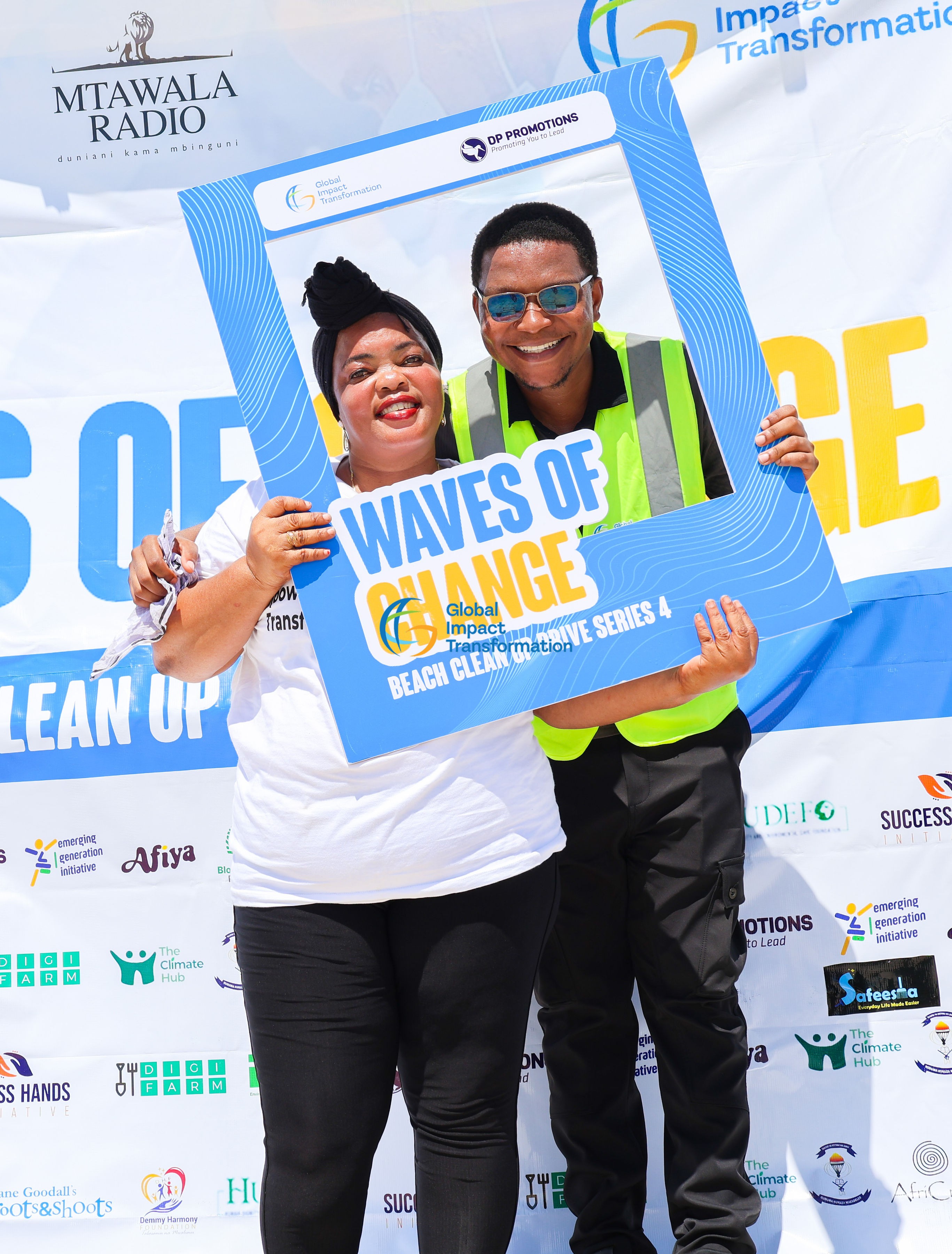
Global Impact Transformation (GIT), in collaboration with a diverse network of partners, successfully led a high impact, community driven beach clean up and environmental engagement initiative at Mbezi Beach (Kwa Zena), Kinondoni District, Dar es Salaam. The initiative mobilized over 70 youth and community members, alongside civil society organizations, private sector actors, and government stakeholders, demonstrating the power of collective action in advancing environmental sustainability.The event was officiated by the Kinondoni District Commissioner, The initiative mobilized over 70 youth and community members, alongside civil society organizations, private sector actors, and government stakeholders, demonstrating the power of collective action in advancing environmental sustainability. The event was officiated by the Kinondoni District Commissioner, Hon. Saad Mtambule, as Guest of Honor, highlighting the importance of local leadership and multi-stakeholder collaboration in advancing community-led environmental action.
A Global Challenge, A Local Response
By Communication team
Plastic pollution remains one of the most pressing environmental challenges globally. According to the United Nations Environment Programme, between 19 and 23 million tonnes of plastic waste enter aquatic ecosystems each year, significantly affecting marine life, livelihoods, and coastal communities. With plastics accounting for a significant share of marine debris, coastal areas such as Dar es Salaam face increasing pressure from poorly managed waste and rising consumption of single-use plastics.
It is within this context that GIT’s initiative demonstrates the importance of locally-led, scalable, and community-driven solutions. The initiative was implemented in collaboration with a strong partners, including:
Mtawala Radio, The Climate Hub, Africraft, The African Conservation Foundation, Environment and Climate Change Tanzania (ECCT), HUDEFO, Emerging Generation Initiative, Bloom Wellness Foundation, Digifarm, Success Hands Initiative, DP Promotions, Alsina Vision, EM Bistro, Jane Goodall’s Roots & Shoots, Afiya, and Demmy Harmony Foundation.
Waste collected during the clean-up was managed in collaboration with the Kinondoni Municipal Council, ensuring proper disposal and linking community efforts with formal waste management systems.
Youth and Communities at the Center of Action
At the core of the initiative was GIT’s community-driven and youth-centered approach, which places young people and local communities at the forefront of climate action. Participants were actively engaged not only in the clean-up exercise, but also in awareness sessions and collaborative activities that strengthened their understanding of environmental challenges and their role in driving solutions. This approach reflects GIT’s commitment to building locally-owned, inclusive, and sustainable solutions.
The initiative integrated interactive and participatory approaches, including:
- Environmental awareness sessions
- Games and competitions to promote learning and engagement
- Recognition and rewarding of participants to encourage sustained involvement
These activities created an engaging platform that combined learning with action, demonstrating how innovation and community participation can influence behavior and promote environmental responsibility.
The clean-up activity delivered significant and measurable environmental results, demonstrating the impact of coordinated community action:
- 56 bags of waste were collected
- Approximately 448 kilograms of waste were removed
- A total of 350 meters of coastline were restored
These results highlight both the scale of pollution affecting coastal ecosystems and the potential of community-led initiatives to address it.
A detailed waste audit conducted during the activity revealed critical insights into the nature and sources of pollution. Over 71% of the waste collected was recyclable, with a significant proportion consisting of single-use plastics. Among these, plastic beverage bottles emerged as the most dominant pollutant, far exceeding other waste categories. Additional commonly identified materials included plastic cups, foam packaging, and soft plastics, highlighting the widespread use of disposable products and their contribution to coastal pollution.
These findings underscore a critical gap between waste generation and waste management systems, particularly in relation to plastic use and disposal practices. They also point to the need for targeted interventions that address both behavioral patterns and systemic challenges, including improved recycling infrastructure, responsible consumption practices, and strengthened awareness at community level.
Voices from the Community, Ms. Asha George, Chairperson of the Mbezi Beach Local Government , emphasized the importance of collective action:
“This initiative has shown the power of community action, protecting our environment is a shared responsibility, and we must continue working together to keep our beaches clean and safe.”
While the clean-up delivered immediate environmental benefits, the findings from this initiative point to broader systemic challenges. The dominance of single-use plastics underscores the urgent need for strengthened recycling systems, increased public awareness, more responsible consumption practices, and stronger collaboration among stakeholders. In response, Global Impact Transformation (GIT) continues to integrate data-driven insights, community engagement, and strategic partnerships to advance long-term, sustainable solutions that address both the root causes and impacts of environmental pollution.
Looking Ahead
Global Impact Transformation (GIT) remains committed to advancing locally-led, inclusive, and scalable solutions that accelerate climate action and environmental sustainability. Through strategic partnerships, evidence-based programming, and meaningful youth and community engagement, GIT contributes to building resilient ecosystems and sustainable livelihoods, aligned with global priorities on climate and sustainable development.
GIT calls upon partners, institutions, and stakeholders to collaborate in co-creating impactful, community-driven solutions that address pressing environmental challenges and deliver lasting, systemic impact.
Contact: info@globalimpacttransformation.org