According to the National Bureau of Statistics Tanzania, over 60% of the country’s population is under the age of 25, highlighting the significant demographic weight of young people in shaping the nation’s future. Globally, the United Nations Department of Economic and Social Affairs (UN DESA) estimates that young people aged 15–24 account for approximately 1.2 billion people, representing nearly one in every six individuals worldwide. This demographic reality presents both a powerful opportunity and a pressing responsibility. While youth represent a critical driver of innovation, economic growth, and social transformation, many continue to face persistent challenges, including unemployment, limited access to opportunities, and social exclusion. Without deliberate and sustained investment in youth leadership, skills development, and inclusive participation, a significant proportion of young people risk being left behind, unable to fully realize their potential or contribute meaningfully to national and global development
At the Table with National Leadership, a Ministerial Dialogue on Youth Development
By Communication team
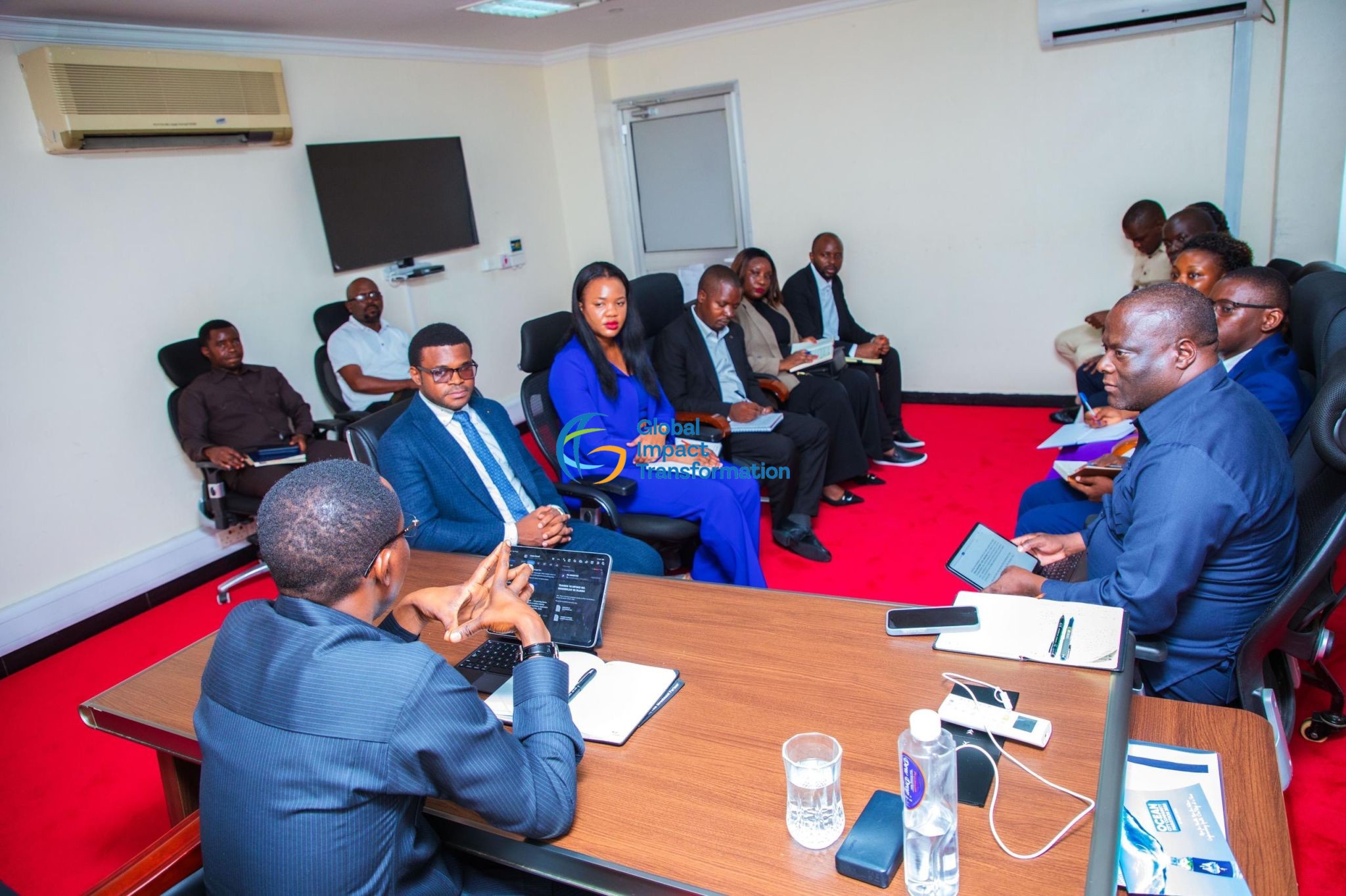
It is within this context that Global Impact Transformation (GIT) continues to position itself as a key actor in advancing youth empowerment and inclusive development. In recognition of its growing impact, GIT was officially invited to participate in a high-level strategic roundtable hosted by the Minister of State in the President’s Office responsible for Youth Development, Hon. Joel Nanauka (MP).
Represented by Sylvia Mkomwa, GIT Country Lead, the organization joined a select group of civil society leaders and stakeholders working across Tanzania to advance youth-focused programming and inclusive development approaches. The roundtable served as a critical platform for strengthening collaboration between government and civil society, while identifying actionable pathways to accelerate youth-led solutions.
Discussions emphasized the need to reposition young people as active agents of change rather than passive beneficiaries. Stakeholders highlighted the importance of creating enabling environments that support youth participation in decision-making processes, strengthen leadership capacities, and expand access to economic, digital, and civic opportunities.
Reflecting on the engagement, Sylvia Mkomwa, GIT Country Lead, noted:
“Youth are not only the future, they are the present drivers of transformation. At GIT, we are committed to ensuring that young people are equipped, empowered, and included in shaping solutions that directly impact their lives and communities. Platforms such as this are critical in bridging policy and practice and advancing youth-led development.”
The dialogue further highlighted systemic barriers that continue to limit youth potential, including high levels of youth unemployment, gaps in practical and digital skills, unequal access to resources, and limited integration of youth voices into policy processes. Addressing these challenges requires coordinated, multi-sectoral approaches that bring together government, civil society, and development partners. GIT’s participation in this high-level platform reflects its broader strategic approach of combining grassroots programming with policy engagement to ensure that youth perspectives are not only heard but translated into action.
Across Tanzania, GIT implements a range of transformative youth-focused interventions that target both in-school and out-of-school youth, with a strong emphasis on inclusion, particularly for young people with disabilities (PWDs). Through its Vijana Impact Hub, GIT equips young people with critical skills in digital literacy, innovation, entrepreneurship, and leadership, preparing them for the evolving job market while fostering self-reliance and creativity. The initiative also supports youth interns and emerging leaders to gain practical experience and contribute to community-driven development.
At the school level, GIT has established GIT School Clubs focused on Environment, Science, Technology, Engineering, and Mathematics (E-STEM), as well as Peace building and Gender-Based Violence prevention. These platforms provide safe spaces for young people to build knowledge, leadership skills, and positive values while actively engaging in community solutions. Beyond education, GIT promotes youth economic empowerment by equipping young people with practical livelihood and entrepreneurship skills. This includes training on production of alternative charcoal using waste materials, making organic soap and eco-friendly products, financial literacy and business development skills. These interventions directly address youth unemployment by enabling young people to create sustainable income-generating opportunities.
GIT also engages youth in environmental action and climate resilience, including initiatives such as:
- beach clean-ups and community environmental campaigns
- combating plastic pollution and promoting waste management solutions
- raising awareness on sustainable practices and environmental stewardship
Through these integrated approaches, GIT is building a generation of young people who are not only economically empowered but also socially responsible and environmentally conscious.
By actively engaging in national policy spaces, GIT is contributing to shaping a more responsive and inclusive ecosystem that recognizes youth as central to Tanzania’s development agenda. The organization continues to champion youth-led innovation, strengthen partnerships, and promote approaches that are locally driven, scalable, and sustainable.
As Tanzania continues to harness the potential of its young population, there is a growing need for sustained investment, collaboration, and commitment to youth-centered development. GIT remains dedicated to advancing this agenda by amplifying youth voices, strengthening leadership pathways, and supporting initiatives that empower young people to lead with confidence, purpose, and impact.
Call for Partnerships:
Global Impact Transformation (GIT) welcomes strategic partnerships to advance youth empowerment, leadership, and inclusive development across Tanzania. We are committed to working collaboratively with government institutions, development partners, private sector actors, academia, and civil society organizations to expand opportunities for young people and strengthen youth-led solutions.
Through collaboration, GIT aims to scale impactful initiatives that promote youth leadership, digital innovation, entrepreneurship, economic empowerment, and meaningful participation in decision-making processes. We seek to co-create sustainable, locally driven solutions that respond to the evolving needs of young people while strengthening inclusive systems and resilient communities.
By working together, we can unlock the full potential of youth as drivers of transformation, innovation, and long-term development.
For partnerships and collaboration contact us:
info@globalimpacttransformation.org