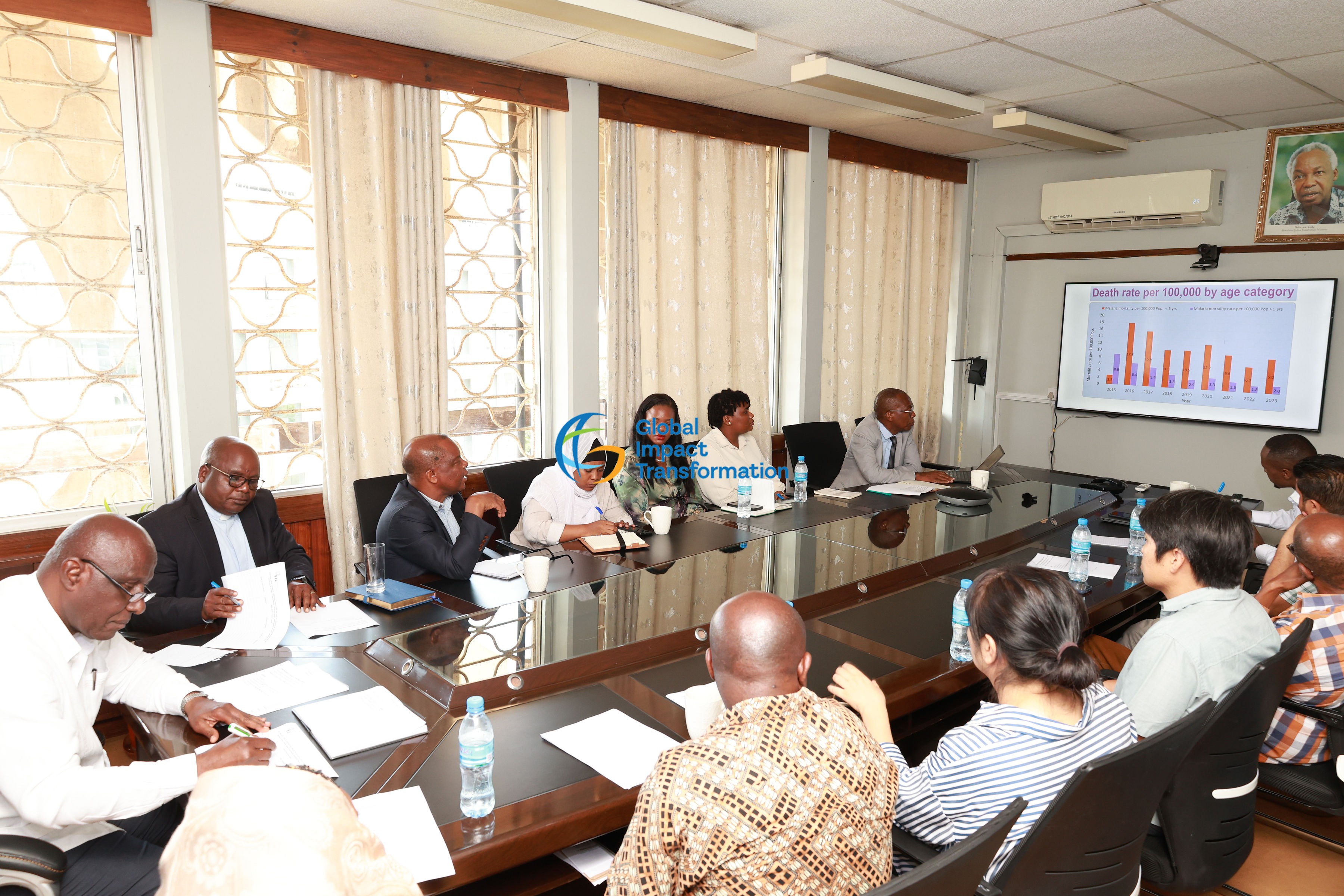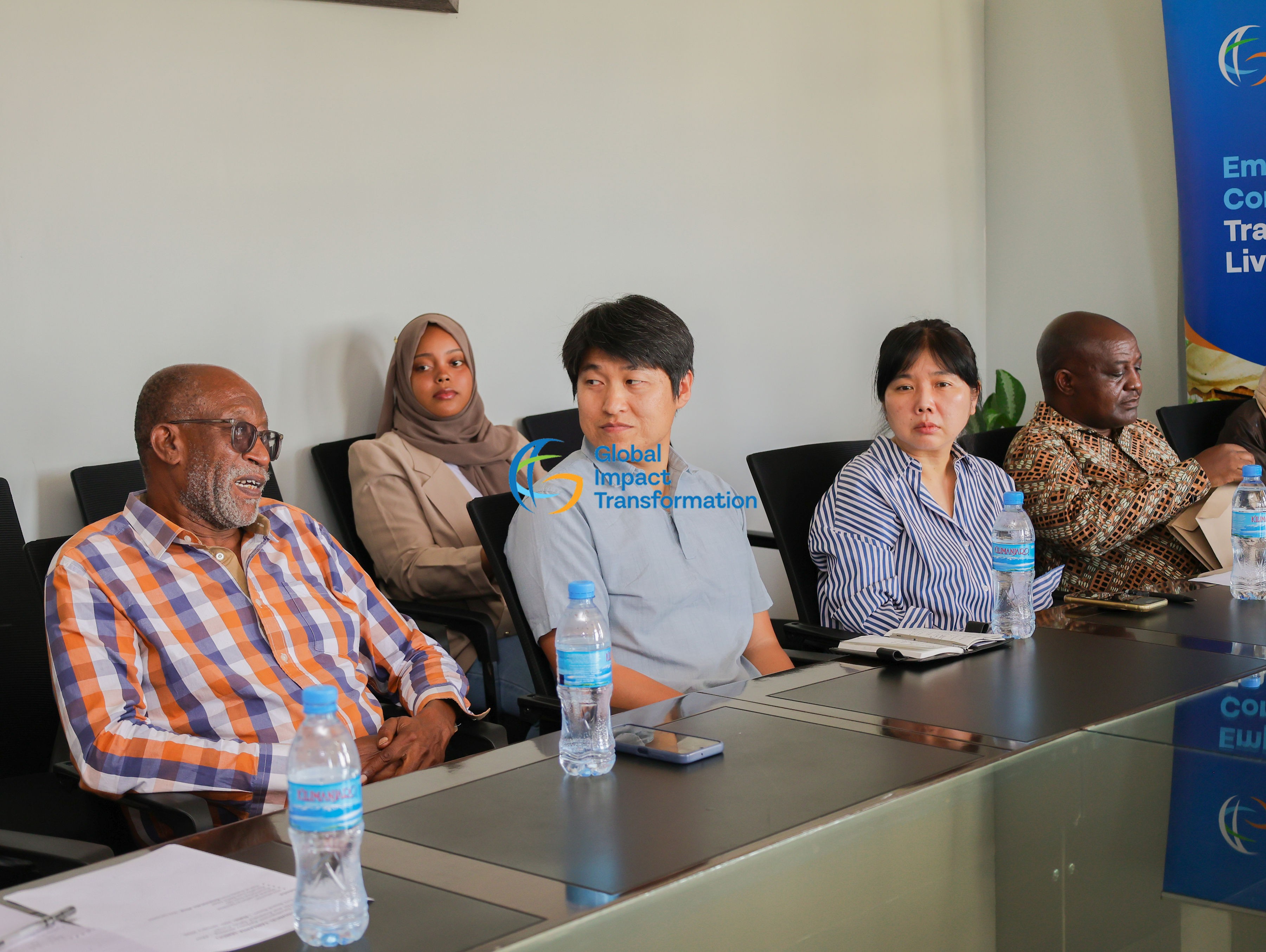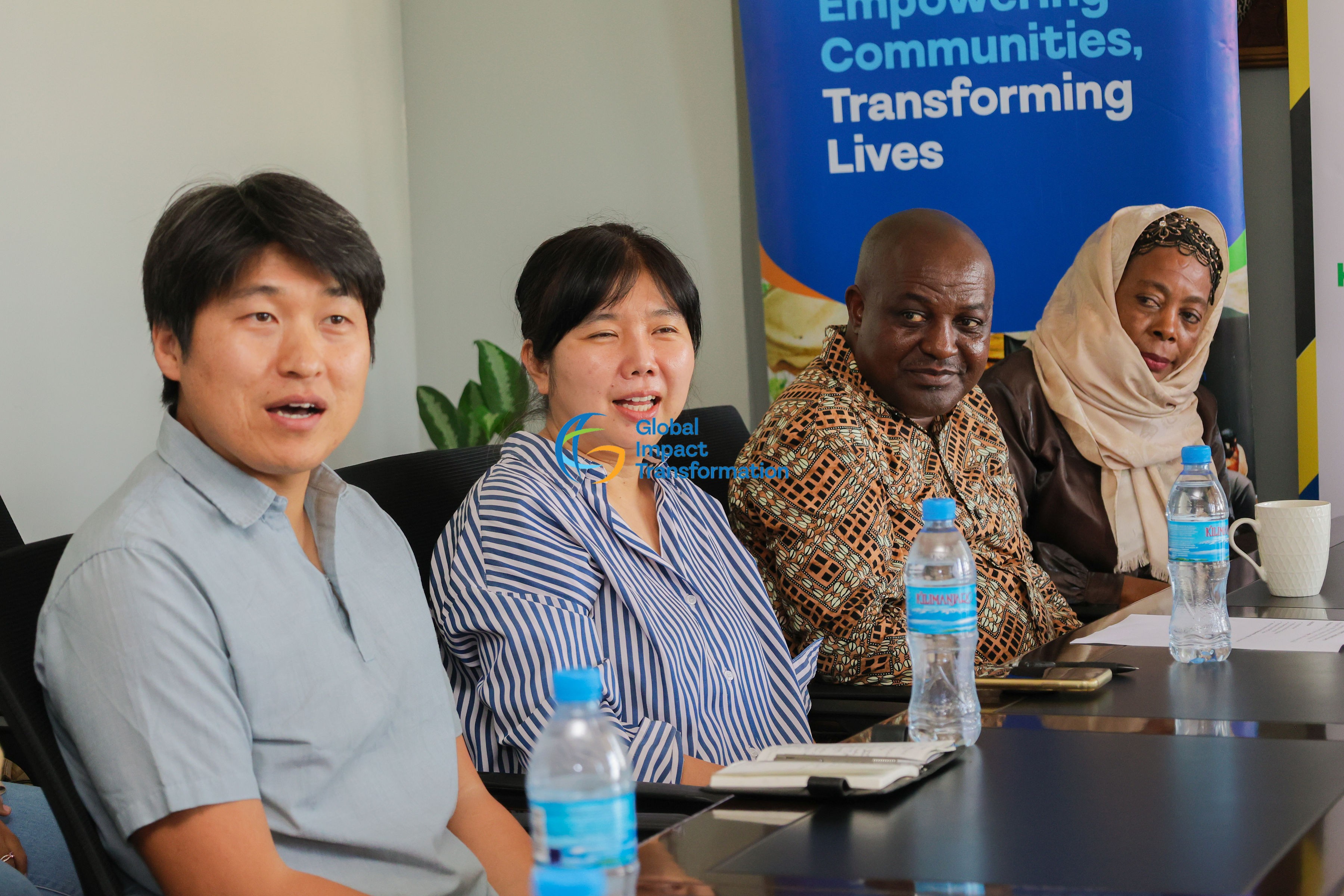
Global Impact Transformation (GIT), in collaboration with the Tanzania Communication Development Centre (TCDC), recently convened a strategic engagement in Dar es Salaam with the Chairperson of the End Malaria Council Tanzania (EMCT), Eng. Leodgar Tenga, as part of an ongoing advocacy initiative aimed at strengthening coordinated action toward Tanzania’s national goal of eliminating malaria by 2030. The engagement reflects a growing recognition that ending malaria requires sustained, multi-stakeholder partnerships that bridge community advocacy, resource mobilization, and evidence-informed public health interventions.
Community-Centered Partnerships Strengthen Tanzania’s Fight Against Malaria
By Communication team
Malaria remains a significant public health challenge in Tanzania, disproportionately affecting vulnerable populations, including women, children, and communities in high-burden regions. While notable progress has been made over the past decade, persistent transmission underscores the urgency of reinforcing community-level prevention, expanding behavior change communication, and strengthening national and sub-national response systems. Civil society organizations continue to play a critical role in complementing Government-led efforts by mobilizing communities, strengthening local ownership, and supporting last-mile delivery of prevention tools and services.
The engagement formed part of a broader advocacy project led by GIT and TCDC to amplify community voices, strengthen multi-sectoral coordination, and advance locally grounded solutions to malaria prevention and response. During the meeting, the institutions reaffirmed their shared commitment to deepen collaboration in support of community advocacy, social mobilization, and resource mobilization aligned with national malaria elimination priorities. The partners emphasized the importance of strengthening linkages between community-level action and national coordination mechanisms to accelerate progress toward malaria elimination targets.
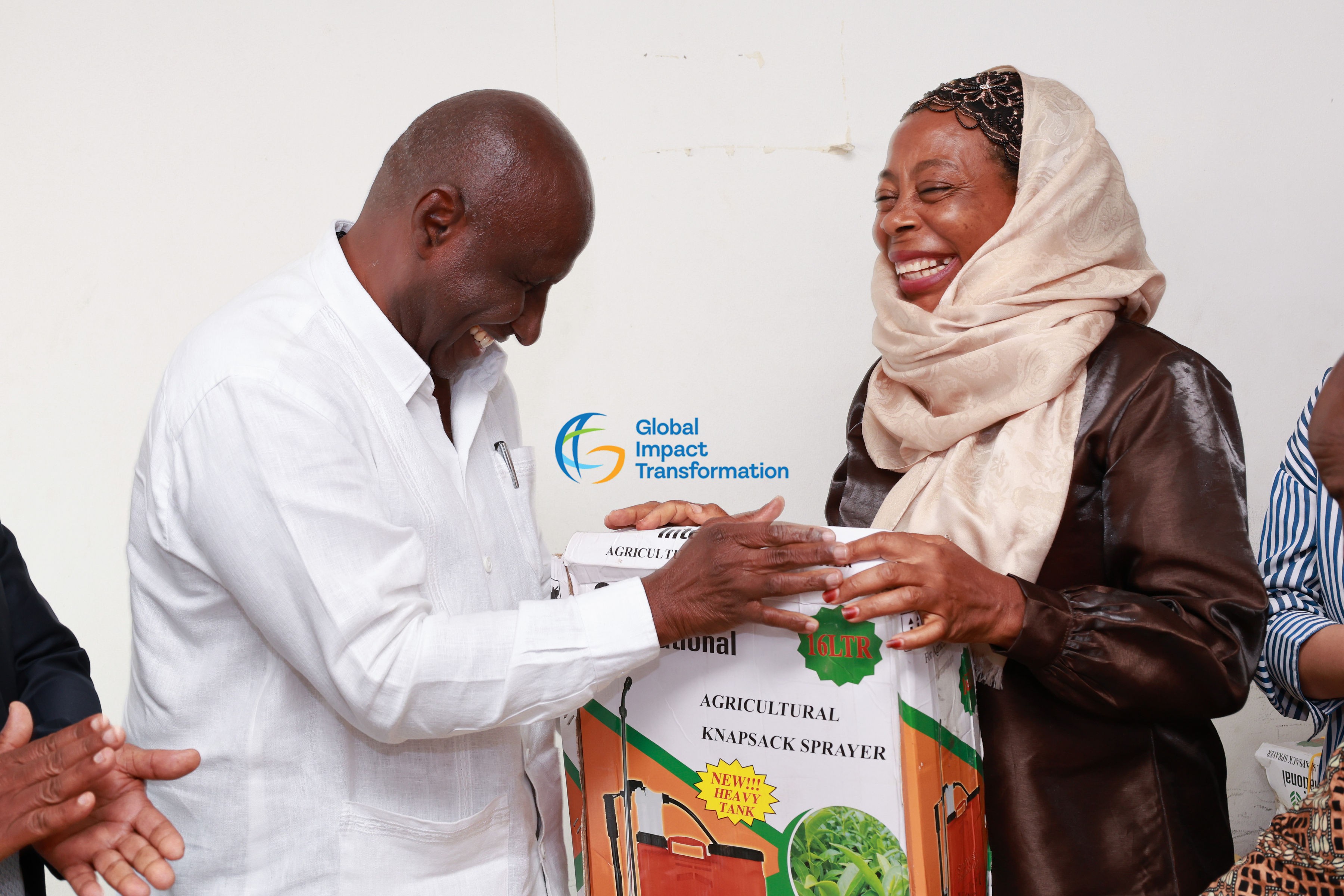
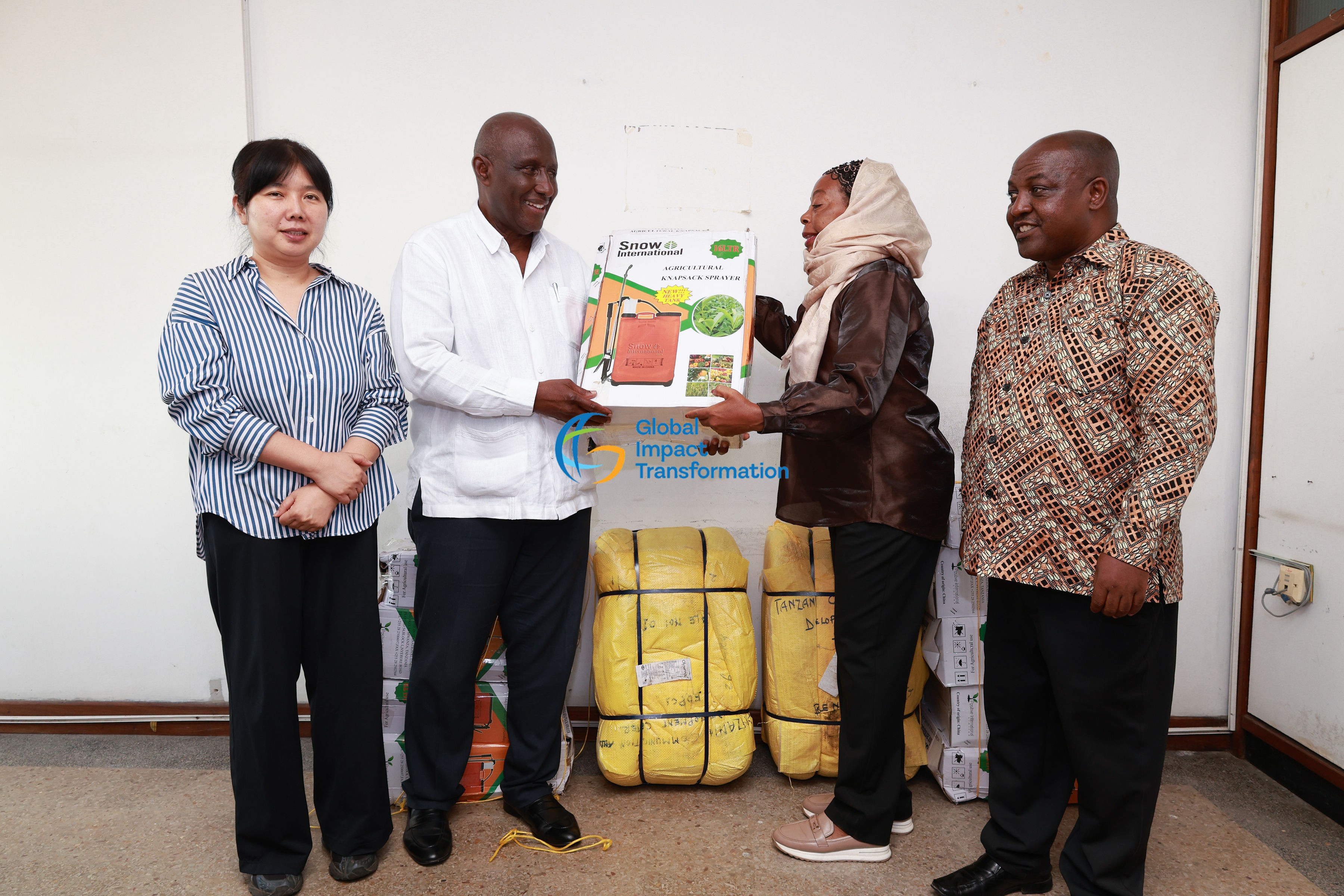
As part of the ongoing partnership, GIT and TCDC handed over essential malaria prevention supplies to EMCT, including spray pumps and insecticide-treated mosquito nets, with support from Korea Food for the Hungry International (KFHI). The handover was witnessed by Ms. Minji Choi, Country Lead for the KFHI Tanzania Office, whose presence reaffirmed KFHI’s continued commitment to supporting community-based malaria prevention efforts and strengthening civil society contributions to national public health priorities. These resources are expected to enhance community-level prevention and vector control initiatives, particularly in high-transmission settings where access to prevention tools remains a critical gap.
Speaking during the engagement, Eng. Leodgar Tenga, the Chairperson of EMCT underscored the centrality of multi-stakeholder collaboration in achieving a malaria-free Tanzania, noting that sustained progress will depend on coordinated investments in prevention, community engagement, and accountability. He emphasized that partnerships linking Government institutions, civil society organizations, development partners, and community actors are essential to closing remaining gaps in malaria response and ensuring that gains are consolidated and scaled.
This collaboration reflects GIT’s broader commitment to advancing community-centered advocacy and supporting Government priorities in public health and social development. By working alongside TCDC, EMCT, KFHI, and other partners, GIT contributes to a collective ecosystem that advances prevention, strengthens local leadership, and promotes inclusive, people-centered solutions to complex health challenges.
As Tanzania continues its pathway toward the 2030 malaria elimination goal, sustained advocacy, strategic partnerships, and community-driven action will remain critical to reducing malaria transmission and safeguarding public health outcomes. GIT and its partners remain committed to strengthening multi-stakeholder collaboration, advancing evidence-informed interventions, and supporting resilient, healthy communities across the country.
Looking ahead
As Tanzania advances its national development and public health priorities, Global Impact Transformation (GIT) remain committed to translating commitments into measurable action at community level. Building on this engagement, GIT will continue to walk the talk by advancing partnership-driven, innovation-enabled approaches that place communities at the center of development, true to its mission of empowering communities, transforming lives.
GIT welcomes collaboration with government institutions, development partners, private sector actors, and civil society organizations seeking to co-create scalable, inclusive solutions that deliver lasting impact.
For partnership and collaboration opportunities, please contact info@globalimpacttransformation.org
.